The High-Stakes Reality of Vacation Rental Water Amenities: Beyond the Revenue
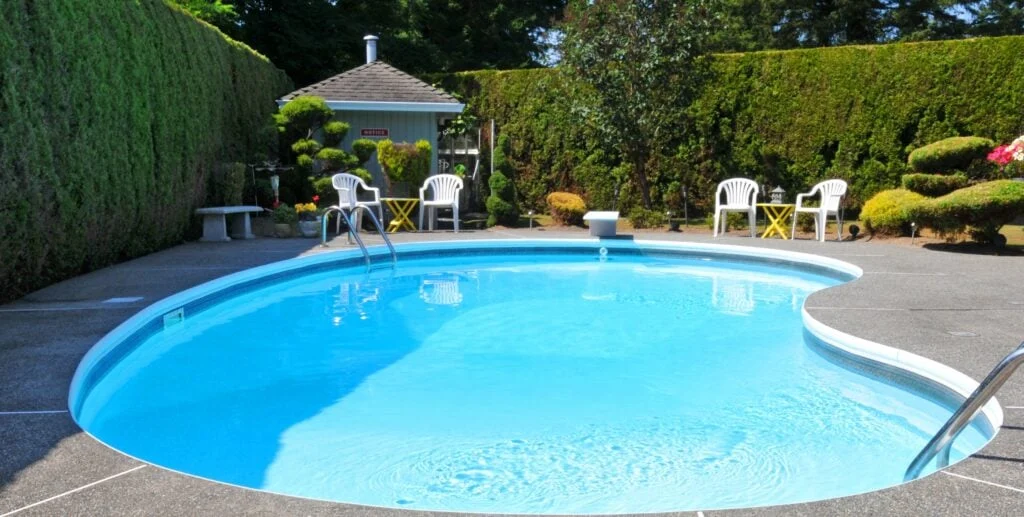
For short-term rental (STR) investors, the summer season represents the "Golden Quarter." As the mercury rises, occupancy rates soar, daily booking prices hit their annual peaks, and calendars fill up months in advance. Among the most potent tools in an investor’s arsenal to drive this demand are water amenities: sparkling swimming pools, relaxing hot tubs, and sleek, sun-drenched wet decks.
However, beneath the surface of these revenue-generating assets lies a significant, often misunderstood, and potentially catastrophic legal exposure. For the unprepared landlord, a backyard oasis can transform from a profitable business asset into a seven-figure liability nightmare faster than a guest can post a negative review.
This is not a cautionary tale designed to induce panic; it is a clinical look at the intersection of hospitality, risk management, and the sobering reality of premises liability.
The Data That Should Demand Your Attention
The statistics surrounding water-related injuries in residential settings are jarring. According to the Centers for Disease Control and Prevention (CDC), the United States records more than 4,000 fatal unintentional drownings annually—an average of 11 lives lost every day. Beyond these tragedies, another 8,000 individuals are treated in emergency departments for nonfatal drownings each year.
For families, the statistics are even more harrowing. Drowning stands as the leading cause of death for children between the ages of 1 and 4 and remains the second-leading cause of unintentional injury death for children aged 5 to 14.
The data point that should weigh heaviest on the mind of an STR operator comes from Pool Guard USA: approximately 81% of all fatal child drownings occur in residential settings rather than public facilities. Because your vacation rental is, by definition, a residential property, it is statistically indistinguishable from a private home in the eyes of risk assessors—yet it hosts a rotating cast of strangers who may not be familiar with your specific safety features. When this high-risk window aligns with the peak booking months of May through August, the probability of an incident increases exponentially.
The Illusion of Safety: Why Hot Tubs Pose Unique Risks
Many hosts operate under the false assumption that hot tubs are "lower-stakes" amenities because they are smaller, shallower, and lack the depth of a traditional swimming pool. Industry data suggests this is a dangerous misconception.
Hospitality safety resources, compiling data from the Consumer Product Safety Commission (CPSC), indicate that over 300 deaths occur annually due to hot tub-related accidents. Children under the age of five account for roughly 20% of these fatalities. Furthermore, injuries are not limited to drowning. Nearly 50% of hot tub-related injuries stem from slips and falls on slick surfaces surrounding the unit. Another 10% are attributed to heat-related overexposure, which can cause fainting, cardiac stress, or dehydration—a risk that is significantly higher for elderly guests or those consuming alcohol.
Perhaps most concerning for property owners is the issue of entrapment. Drain covers that have not been properly inspected or maintained, or those that fail to meet current safety standards, can create powerful suction. Cases involving hair, limbs, or jewelry becoming trapped in these drains often serve as the basis for high-stakes wrongful death litigation. When a guest fails to notice posted depth or temperature warnings, the legal burden of "failure to warn" often falls squarely on the host.
The Financial Implications: What a Claim Actually Costs
While settlement figures for individual STR drowning cases are rarely publicized, premises liability and wrongful death litigation provide a clear picture of the financial exposure.
Analyses of recent wrongful death settlements indicate that cases involving clear negligence frequently land in the high-six-figure to seven-figure range. A comprehensive review of nearly 1,000 wrongful death cases revealed a mean settlement of approximately $973,000. In instances involving gross negligence or significant lost future earnings, it is not uncommon for payouts to reach several million dollars.
Even non-fatal incidents are costly. The average residential slip-and-fall settlement on private property is estimated at approximately $105,000, but catastrophic injuries—such as spinal cord trauma or traumatic brain injuries—routinely exceed $500,000. For an investor, a single wet pool deck, a missing anti-slip mat, or an inadequately lit path to the spa at 10:00 p.m. is not merely a minor oversight; it is a potential business-ending event.
The Coverage Gap: Why Your Homeowner’s Policy Is Insufficient
The most common point of failure for STR hosts occurs when they discover—often after an incident—that their insurance policy does not cover their business activities.
Standard homeowner’s insurance policies are designed for domestic, personal use. They are tailored to cover the occasional dinner guest or a neighborhood barbecue. They are not designed to cover a commercial business where paying strangers reside in the property multiple times a month.
Insurance industry guidelines categorize residential pools as "attractive nuisances." Standard carriers typically require homeowners to increase liability limits to $300,000 or $500,000, or to purchase a supplemental umbrella policy. However, even these adjustments are often null and void when the property is used as a short-term rental. Most standard policies contain "business activity" exclusions. If an insurance company discovers that a property was being used for commercial short-term rentals, they may not only deny the claim entirely but also cancel the policy or decline to renew it.
Investors must shift to a dedicated STR or landlord policy. These policies recognize the property as a commercial enterprise, providing the necessary liability coverage for guests and mitigating the risk of policy cancellation. While these premiums are higher than standard residential policies, the cost is marginal when weighed against the potential for a seven-figure legal claim.
The Path to Proactive Safety: A Strategic Checklist
Insurance is a safety net, but it is not a substitute for operational excellence. The most successful investors treat physical safety as a cornerstone of their business model. Before the first guest of the summer season arrives, every owner of a water amenity should verify the following:
- Compliance with Local Codes: Are your pool fences at least four feet high? Do they have self-closing and self-latching gates that open outward?
- Visual and Physical Warnings: Are there clear, high-visibility signs stating the depth, "No Diving" warnings, and maximum occupancy for hot tubs?
- Anti-Slip Measures: Have you installed high-traction materials on pool decks, stairs, and hot tub entry points?
- Lighting: Is the path from the house to the water feature illuminated by motion-sensing or permanent low-voltage lighting to prevent nighttime falls?
- Emergency Communication: Is there a clearly marked, waterproof phone or a landline accessible in the event of an emergency, alongside basic pool safety rules provided in your digital guidebook?
- Drain Inspections: Have you verified that your drain covers meet current Virginia Graeme Baker Pool & Spa Safety Act standards?
The Strategic Balance of Risk and Reward
It is undeniable that water amenities are powerful revenue drivers. Listings equipped with hot tubs frequently report occupancy increases of up to 13%, allowing for a premium nightly rate that is well above that of comparable dry properties. This premium is a legitimate business benefit, but it must be managed with professional rigor.
The operators who thrive in this space do not view insurance, safety setup, and guest communication as separate chores. They view them as a unified, critical system. They understand exactly what their policy covers, they have the physical infrastructure to prevent injury, and they have the foresight to ensure their insurance carrier is fully aware of their business model.
Summer is the most lucrative time of year for the short-term rental industry. It is also the most dangerous. Do not spend the season exposed to unnecessary risk. Use the resources available—such as the BiggerPockets landlord insurance calculator—to evaluate your current coverage and ensure your business is protected. By bridging the gap between your current coverage and the reality of your exposure, you can enjoy the summer revenue without the looming fear of a catastrophic liability claim.
This article is provided for educational purposes and is sponsored by Steadily, the official landlord insurance provider of BiggerPockets. For a tailored assessment of your property’s risk profile, utilize the BiggerPockets landlord insurance calculator. BiggerPockets Pro members are eligible for a 5% discount on premiums through the Pro Perks dashboard.