Beyond the Heartbreak: The Complex Reality of Pet Ownership and Unexpected Behavioral Challenges
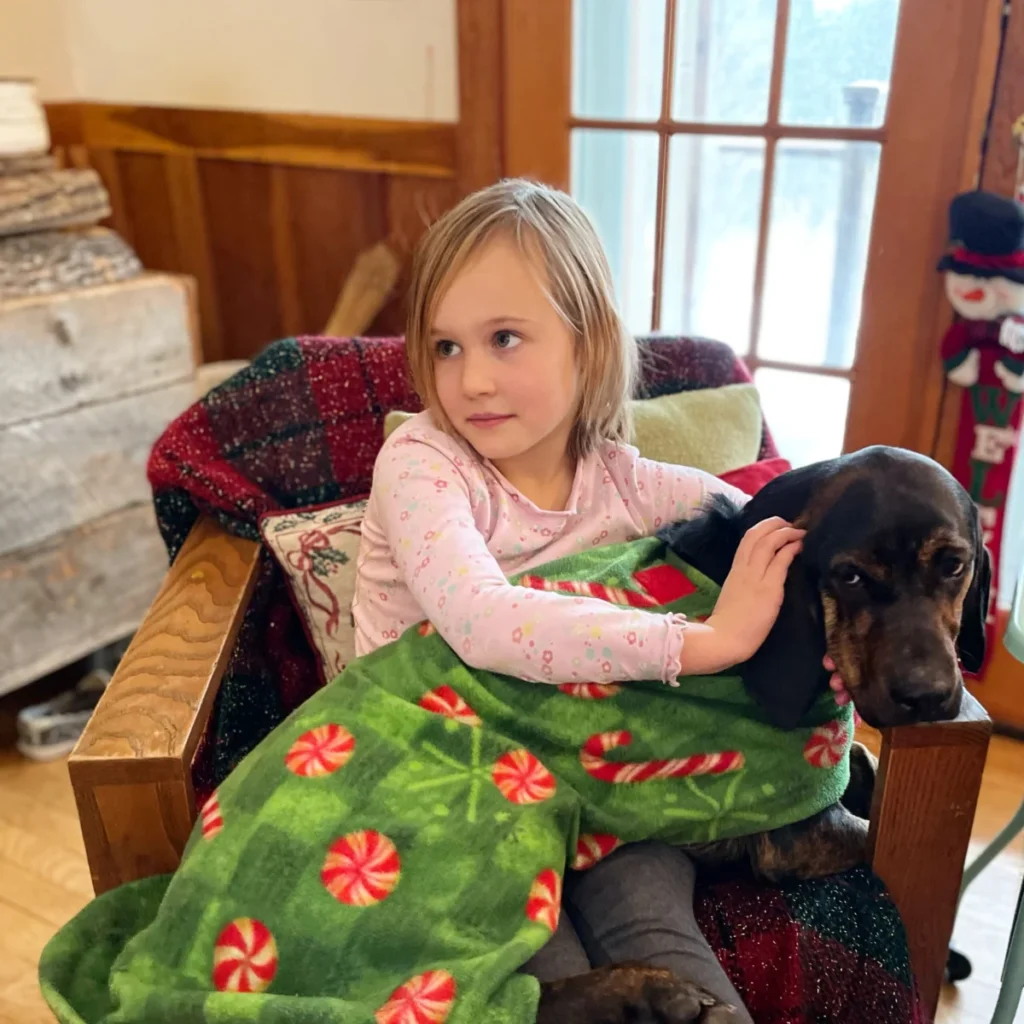
In the modern household, the decision to adopt a pet is often viewed as a milestone of domestic stability and emotional enrichment. Yet, beneath the surface of social media snapshots and heartwarming tales of companionship lies a complex, often volatile, reality. For the Frugalwoods family, a recent, short-lived experience with a rescue hound named Genevieve, or "Gigi," has served as a poignant, costly, and deeply emotional case study in the unpredictability of animal behavior—and the heavy weight of the choices families must make when those expectations collide with reality.
The Arrival of Gigi: A Search for Connection
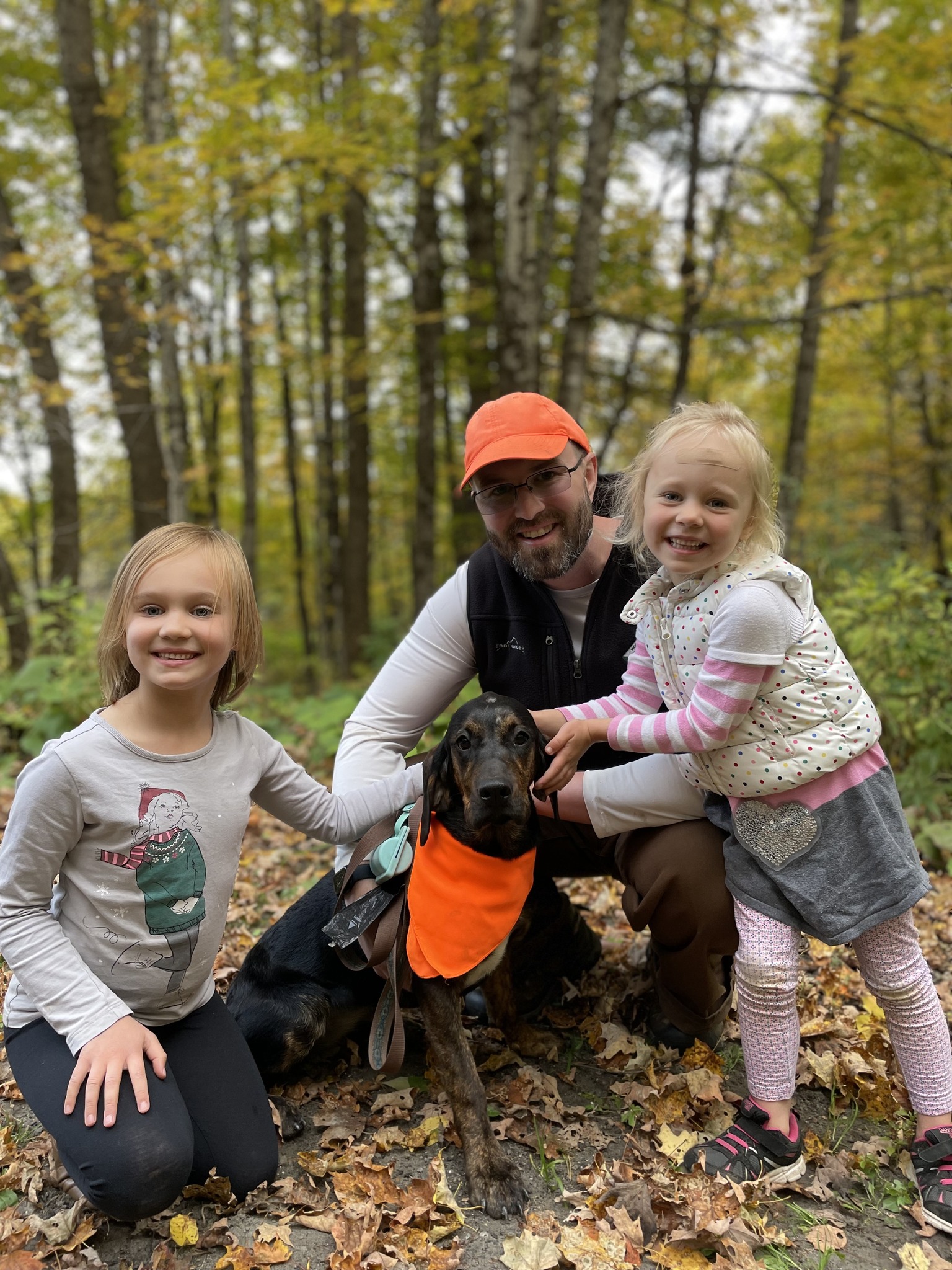
In late September 2022, a stray hound appeared in the yard of a friend of the Frugalwoods family. The dog was visibly emaciated and bore the marks of a life spent in the wild, likely having been separated from a pack of hunting dogs. Despite exhaustive efforts to locate an owner—including checking for microchips, scouring local advertisements, and social media outreach—no one came forward.
Recognizing the impending transition to a municipal shelter, the Frugalwoods family made the decision to intervene. They formally brought Gigi into their home on October 3, 2022. For the first few days, the integration seemed promising; Gigi was affectionate, gentle with the children, and displayed an aptitude for outdoor activity. She appeared to be the perfect candidate for a family-oriented life. However, this optimism was quickly overshadowed by a singular, insurmountable behavioral issue: severe, acute separation anxiety.

Chronology of an Intervention
What followed was a four-month odyssey of attempted rehabilitation, marked by a series of structured, high-effort interventions. The family’s goal was simple: to help Gigi feel secure enough to remain in the house for short periods without human supervision.
Phase 1: Behavioral Modification
The family initially sought the expertise of a professional dog trainer. The regimen was rigorous, focusing on desensitization techniques—leaving the house for mere seconds, gradually increasing the duration, and reinforcing calm behavior upon their return. Despite the family’s dedication, the dog’s physiological response remained unchanged. She could not tolerate being left alone for more than five minutes without entering a state of absolute panic.
Phase 2: Technological Assistance
Moving beyond traditional training, the family turned to technology. They installed remote monitoring systems and treat-dispensing cameras. The objective was to provide comfort and reinforcement from afar. Unfortunately, the presence of these tools did nothing to mitigate the dog’s distress. Whether it was the sound of the dispenser or the simple fact of physical absence, the result remained the same: destructive pacing, panic, and an inability to self-soothe.
Phase 3: Medical and Pharmacological Approaches
The final, and perhaps most exhaustive, phase involved veterinary intervention. The family worked closely with their veterinarian, moving through a battery of options ranging from mild anti-anxiety medications to various sedatives and tranquilizers. Despite medical oversight and consistent dosing, none of these interventions successfully calmed Gigi’s neurological response to being alone.
The Toll of Incompatibility
The consequences of these failed interventions were twofold: they placed a crushing burden on the household’s logistics and caused significant emotional strain. Every departure required a coordinated effort to ensure the dog was never alone. This eliminated the family’s ability to participate in communal activities, such as attending church, school events, or even short family excursions.
The physical toll was also significant. Whenever the family returned, they were frequently met with a home in disarray, requiring extensive cleanup of the crate and the living area. This cycle of panic and cleanup was unsustainable for a family with young children. The realization that they were not equipped to provide the specific, pack-oriented environment that a former hunting dog requires led to the painful, but ultimately necessary, decision to surrender the dog to a rescue organization.

Supporting Data: The Financial Reality of Pet Care
Beyond the emotional strain, the experience provides a transparent look at the hidden costs of pet ownership. The Frugalwoods family documented every expense, highlighting that the cost of attempting to rehabilitate an animal with complex needs can be significant.
| Category | Cost (USD) |
|---|---|
| Veterinary (Vaccinations, Testing, De-worming) | $497.78 |
| Spaying/Rescue Fees | $600.00 |
| Medical/Medications | $455.20 |
| Equipment (Cameras, Kongs, Crates) | $262.70 |
| Supplies (Food, Toys, Bedding, Christmas items) | $320.25 |
| Professional Training | $150.00 |
| Miscellaneous (Licenses, Vests, Booties) | $87.32 |
| TOTAL | $2,373.25 |
This total, exceeding $2,300 over just four months, underscores the reality that pet ownership is not merely a commitment of time and affection, but a significant financial obligation. When compared to the costs of their previous pet, Gracie—a greyhound who cost approximately $930 annually—the disparity illustrates how rescue dogs with specialized needs can require a financial investment that far exceeds the average budget.
Professional Perspective and Rescues
When the Frugalwoods family surrendered Gigi to a foster-based rescue organization, the professionals were able to diagnose the root of the problem: Gigi was a pack-oriented animal. The rescue confirmed that she was perfectly fine when left alone, provided that other dogs were present to act as her "pack."

This revelation provided closure for the family, confirming that Gigi was not "broken," but simply incompatible with a solitary, human-only environment. Gigi has since been adopted by a family with multiple dogs, where she is reportedly thriving.
Implications for Prospective Pet Owners
The Frugalwoods’ experience offers a critical lesson for prospective pet owners: the importance of "looking before you leap." While the instinct to save a dog in need is noble, it must be balanced with a cold-eyed assessment of one’s lifestyle, capabilities, and the potential for long-term behavioral issues.
- Lifestyle Audit: Families must evaluate whether their schedule truly allows for the needs of an animal. If one parent must stay home at all times, the trade-off may be too steep for the family’s overall well-being.
- Financial Preparedness: As shown by the $2,373.25 expenditure, the "startup costs" of a rescue animal can be unpredictable and high.
- The "Dog Aunt" Alternative: For those whose lifestyles currently preclude full-time pet ownership, the family suggests "dog-sitting" as a viable alternative. This provides the joy of companionship without the permanent, 24/7 commitment of ownership.
Conclusion: A Shift in Perspective
In the aftermath of the Gigi experience, the Frugalwoods family has decided to abstain from pet ownership for the foreseeable future. They are prioritizing this stage of their children’s lives—a time for travel, education, and cultural exploration—over the constraints of caring for an animal.
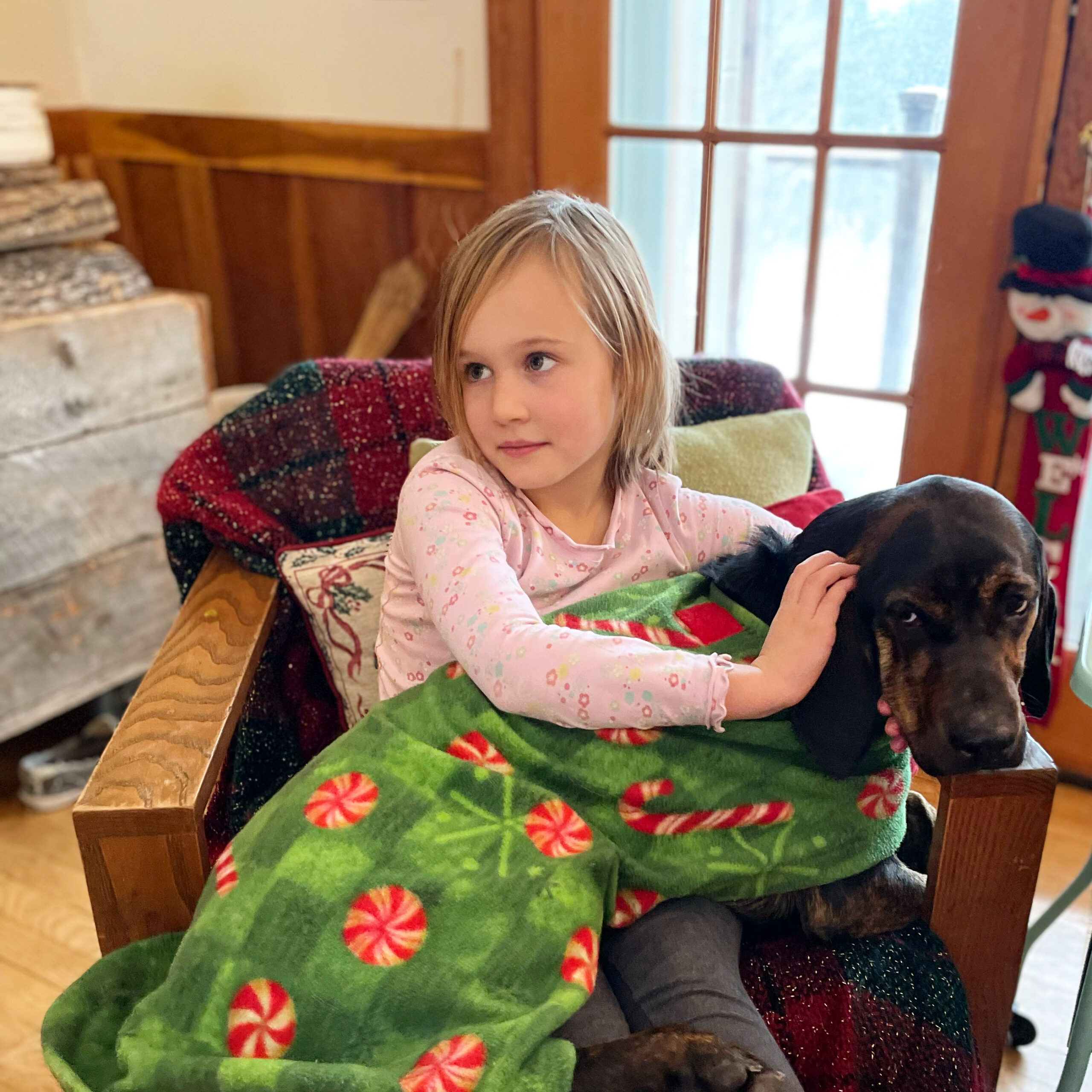
The experience has left them with a sense of humility and a recognition that they are not always in control of the outcomes of their decisions. While they continue to process the "dog-sized hole" left in their home, they find solace in the fact that they provided a soft landing for a dog in need. They have successfully transitioned from owners to "dog aunts," proving that it is possible to maintain a connection with the canine world without sacrificing the autonomy required to raise a growing, active family.
Note: This report comes as the family also navigates the recovery from recent, severe flooding in Vermont, which, while leaving their home intact, resulted in significant damage to their property and further underscored the volatility of life and the necessity of financial readiness.