Inside the Surveillance State of Mind: What the Surprise Theranos Documentary Reveals About Power of Attorney, Elizabeth Holmes, and the Law

By [Your Name/Staff Writer]
Published: November 2025
Main Facts: The Surprise Release That Stunned Hollywood and Silicon Valley
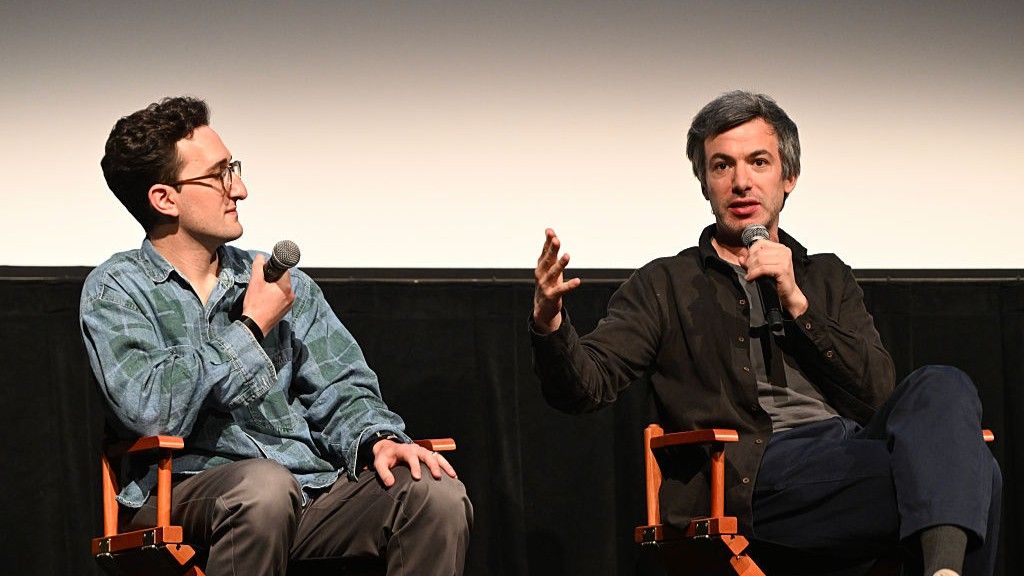
This month, a cinematic grenade was dropped into the pop-culture and legal landscapes with the unannounced premiere of You Can See Everything, a daring new documentary chronicling the twilight of Theranos founder Elizabeth Holmes. Directed by the uniquely disorienting comedic-documentary minds Nathan Fielder (The Rehearsal, Nathan For You) and Lance Oppenheim, the film materialized in theaters with zero advance press, catching audiences and media critics entirely off-guard.
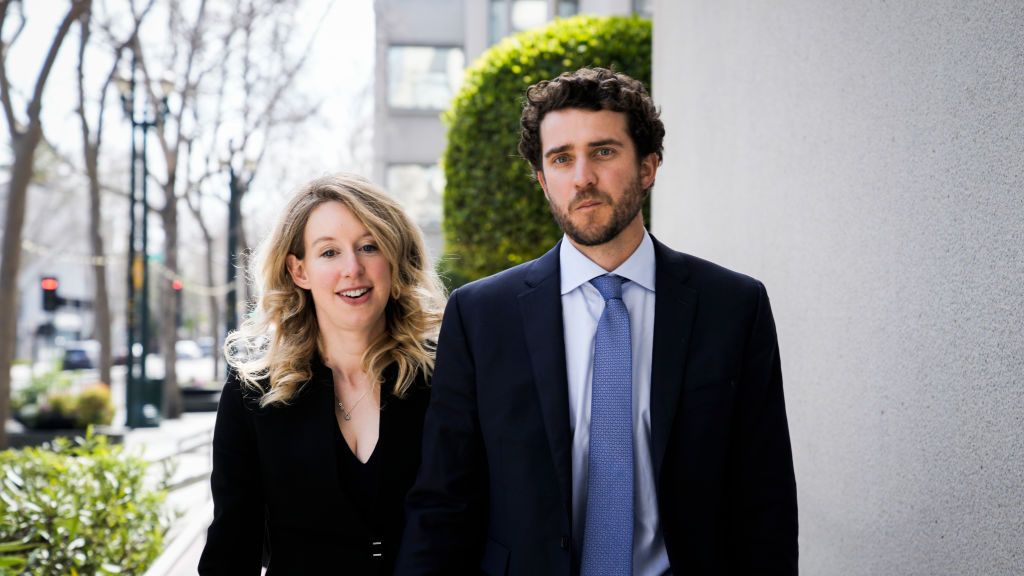
While the film ostensibly orbits around Holmes—who is currently serving an 11-year sentence at a federal prison camp in Bryan, Texas, for massive investor fraud—it quickly pivots into a startling psychological and legal deep dive into her partner, Billy Evans. Most notably, the documentary exposes a startling development: following her incarceration, Evans was granted power of attorney (POA) over Holmes’ affairs.
The resulting narrative is a dizzying look at modern relationships, artificial intelligence, and the sweeping, often misunderstood legal reach of a power of attorney document. As Evans utilizes his newfound authority to tweet unvetted statements from Holmes’ personal X (formerly Twitter) account, spearhead an AI avatar of her likeness, and pilot joint business ventures from the outside, legal experts are using the film as a cautionary tale to educate the public on the profound responsibilities, boundaries, and dangers associated with POAs.
Chronology: From Silicon Valley Stardom to Federal Prison and Beyond
To understand the legal and psychological spectacle unfolding in You Can See Everything, it is necessary to retrace the timeline of Elizabeth Holmes’ downfall and the structural evolution of her partnership with Billy Evans.
- 2015–2018: Theranos, once valued at $9 billion on the promise of revolutionary blood-testing technology that supposedly required only a few drops of blood, collapses following investigative reporting by The Wall Street Journal. Federal investigations quickly ensue.
- 2019: Holmes begins a high-profile relationship with hospitality heir Billy Evans. The couple subsequently marries (though reports and legal documents note they are not legally wed in the traditional sense, operating as committed partners) and has two children prior to her sentencing.
- November 2022: A federal judge sentences Holmes to 11 years and 3 months in prison, alongside co-defendant and former Theranos chief operating officer Ramesh "Sunny" Balwani.
- May 2023: After multiple failed legal delays and appeals, Holmes officially surrenders to the Federal Prison Camp in Bryan, Texas.
- Late 2023–2024: Behind closed doors, Holmes executes a power of attorney naming Evans as her agent, granting him extensive authorization to handle her ongoing financial and business interests while she remains behind bars.
- November 2025: Nathan Fielder and Lance Oppenheim shock the entertainment industry by premiering You Can See Everything. The documentary features unprecedented access to Evans, who openly discusses his use of the POA to manage public-facing projects, build AI likenesses, and direct new commercial endeavors without requiring realtime oversight from Holmes.
Supporting Data: Understanding Power of Attorney (POA) Mechanics
The public fascination generated by You Can See Everything has catalyzed a nationwide conversation regarding legal instruments that are usually relegated to dusty estate-planning offices. According to Debra Taylor, managing partner and wealth adviser at Carson Wealth, the documentary exposes a widespread public misconception about how far a power of attorney actually reaches.
To clear up the confusion, estate and financial planners categorize powers of attorney into distinct legal frameworks:
- Durable Power of Attorney: Takes effect immediately upon signing and remains active even if the principal becomes incapacitated, continuing until the principal revokes it or passes away.
- Limited Power of Attorney: Grants an agent authority over specific, delineated transactions or timeframes (e.g., signing a real estate closing document while traveling).
- Springing Power of Attorney: Remains dormant until a specific, predetermined trigger occurs—most commonly, mental incapacitation verified by medical professionals.
What an Agent Can and Cannot Do
While Evans has utilized his POA to steer business operations and manage external communications, Taylor notes that a POA has strict statutory limits:
- Business and Financial Authority: A broadly drafted financial POA can grant wide-ranging powers over business entities, contracts, and banking transactions. However, sensitive actions—such as gifting assets, modifying beneficiary designations, or creating trusts—generally require express, explicit language within the document. State laws vary wildly regarding what must be explicitly written out.
- The Limits of Voice and Communication: Crucially, Taylor stresses that a POA allows an agent to sign and execute transactions on behalf of the principal, but it does not grant the agent the right to pass off their own opinions as the principal’s literal words. Furthermore, standard financial POAs do not automatically give an agent legal access to private emails, text messages, or direct social media accounts unless explicitly stated in the text.
Official Responses and Expert Insights
The dynamic captured on film between Holmes and Evans has prompted commentary from legal scholars, financial planners, and ethicists alike. Fielder—who admits in the documentary that he is entirely out of his depth regarding chemistry, corporate fraud, and federal law—serves as an uncomfortable surrogate for the audience, chronicling his own growing confusion over the ethics of the situation.
Throughout the documentary, Holmes herself does not appear to voice objections to Evans’ utilization of her likeness or social media presence. However, legal professionals warn that the arrangements shown on screen highlight vulnerabilities that everyday citizens should avoid when drafting their own estate plans.
"The documentary shows how far people assume a POA reaches," Taylor tells Kiplinger. "An agent is a fiduciary. The law requires them to act loyally in your best interest, avoid conflicts of interest, and keep meticulous records of every transaction."
If a principal believes their agent is overstepping boundaries, the legal remedies are clear-cut:
- Revocation: If the principal retains mental capacity, they can revoke a POA at any time by issuing a signed written revocation and notifying all financial institutions, businesses, and individuals who hold copies of the original document.
- Legal Action: A principal can sue an agent for a breach of fiduciary duty. In cases of extreme abuse, unauthorized financial maneuvers can be prosecuted criminally as theft or financial exploitation.
For third-party observers—such as concerned family members, estranged relatives, or business partners—intervening when an agent misuses power can be more complicated. If the principal is still legally competent and refuses to act, courts will almost always defer to the principal’s autonomous choices. However, if a principal is incapacitated or vulnerable, family members and heirs can petition a court to review an agent’s conduct, while financial institutions maintain the right to freeze suspicious transactions or report suspected elder or financial abuse.
Implications: Lessons for Everyday Estate Planning
While You Can See Everything is ultimately a piece of cinema artfully constructed around themes of paranoia, surveillance, and human mystery, legal experts emphasize that viewers should not let the sensationalized narrative scare them away from establishing a proper power of attorney. When executed correctly, a POA is one of the most powerful and necessary tools in personal finance and estate planning.
To avoid falling into the traps highlighted by the Holmes-Evans dynamic, financial planners recommend the following best practices:
- Choose Your Agent Wisely: While a spouse or romantic partner is traditionally the first choice because they know your personal wishes best, life events can complicate matters. Couples age together, meaning they may both require assistance simultaneously. Furthermore, relationships can dissolve. Taylor notes that while many states automatically terminate a spouse’s POA authority upon the filing or finalization of a divorce, this is not universal, and unmarried partners (like Holmes and Evans) do not have automatic statutory protections if a split occurs.
- Name Successors and Oversight: "The best protection is built in before you sign: Name a successor agent and require the agent to report periodically to a second person," Taylor advises. In blended families or high-stakes financial scenarios, appointing an adult child as a co-agent or requiring a primary agent to submit regular financial reports to an independent third party can mitigate internal conflict.
- Review Documents Regularly: Laws change, and life circumstances shift. POAs should be comprehensively reviewed every few years, as well as immediately following major life events such as a move to a new state, a marriage, a divorce, or a significant change in asset portfolios.
As You Can See Everything continues to spark debates across streaming platforms and theater aisles, it serves as a stark reminder of an old adage: you never truly know what is happening behind closed doors—or inside a high-profile romantic partnership—even when a documentary crew is rolling cameras on every waking moment. For the average investor, however, the film offers a valuable, real-world masterclass in why legal clarity, fiduciary accountability, and careful estate planning are more important than ever.