Senate Unanimously Passes Landmark Taxpayer Assistance and Service Act: A New Era for IRS Modernization
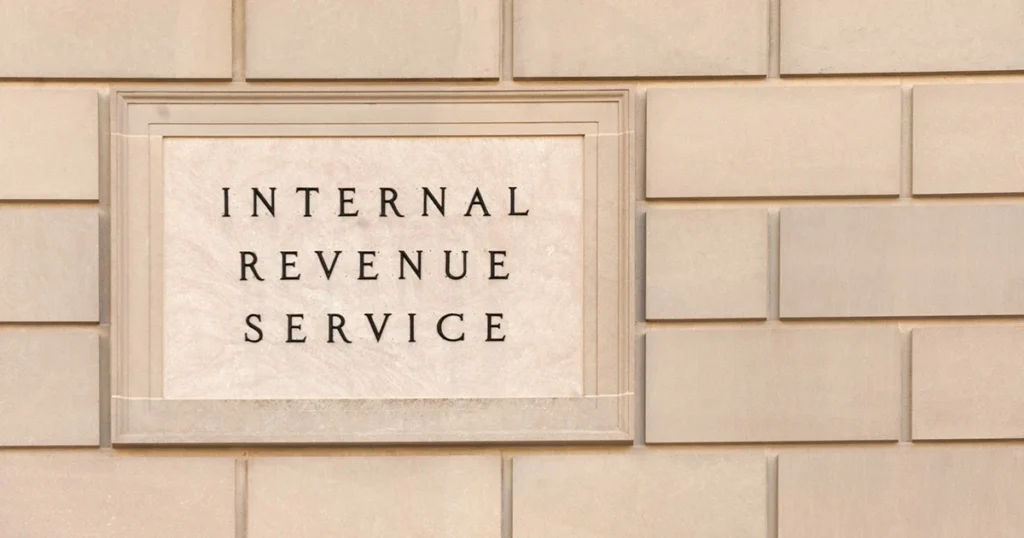
In a rare display of legislative unity, the United States Senate unanimously approved the Taxpayer Assistance and Service (TAS) Act this past Wednesday. The bipartisan package, which represents the culmination of years of negotiation and congressional oversight, seeks to overhaul the Internal Revenue Service (IRS) by modernizing its technological infrastructure, bolstering taxpayer rights, and streamlining the agency’s administrative capabilities.
The passage of the bill marks a pivotal moment for tax administration in the United States. By addressing 65 distinct provisions, the TAS Act aims to rectify long-standing friction points that have hindered both individual taxpayers and the professionals who assist them. As the bill now heads to the House of Representatives—which is currently in recess until November—industry leaders and government officials alike are positioning this legislation as the most significant step toward a transparent and responsive tax system in recent memory.
Main Facts: What the TAS Act Changes
The TAS Act is not merely a symbolic gesture; it is a comprehensive reform package designed to drag the IRS into the digital age. At its core, the legislation focuses on three primary pillars: modernization, transparency, and consumer protection.
Technological Modernization
For years, the IRS has struggled with a backlog of paper-based processes. The TAS Act mandates a transition toward a fully digitized ecosystem. Key provisions include:
- Electronic Access Expansion: Facilitating broader, more secure access to taxpayer records for both filers and authorized representatives.
- Digitization of Correspondence: Moving away from traditional mail-based communications to efficient digital portals.
- Online Account Functionality: Enhancing the "My IRS Account" features to allow real-time monitoring of return status and payment history.
- Callback Technology: Implementing automated systems to reduce the frustration of long wait times for taxpayers seeking assistance via telephone.
Protecting Taxpayer Rights
Beyond technology, the act strengthens the legal safeguards afforded to the American public. It clarifies the role of the Taxpayer Advocate and mandates greater accountability in how the IRS handles disputes, ensuring that taxpayers have a clear path to resolution when faced with audits or processing delays.
Chronology: The Path to Bipartisan Consensus
The journey to the Senate floor was neither quick nor easy. The TAS Act is the result of years of investigative work by the Senate Finance Committee, which held numerous hearings to examine the systemic failures of the IRS during the height of the recent pandemic-related backlogs.
- Early Discussions (2021–2022): Lawmakers began drafting initial frameworks as the IRS faced historic processing delays, leading to public outcry from taxpayers unable to reach agency representatives.
- Committee Review: The Senate Finance Committee, led by Chairman Mike Crapo (R-Idaho) and Ranking Member Ron Wyden (D-Ore.), moved the bill through the committee process with significant bipartisan support, signaling that the need for reform transcended party lines.
- The Advocacy Push: Organizations like the American Institute of CPAs (AICPA) engaged in sustained lobbying, providing technical expertise to ensure the 65 provisions would be operationally viable.
- Unanimous Approval: On Wednesday, the Senate floor saw a rare unanimous vote, underscoring the universal recognition that the current IRS system is no longer fit for the 21st-century digital economy.
Supporting Data: Why Reform Was Necessary
The urgency of the TAS Act is rooted in quantifiable data regarding the state of IRS operations. Over the last decade, the agency’s workload has increased exponentially, while its technological capabilities struggled to keep pace.
The "Paper Jam" Crisis
According to reports cited during Finance Committee hearings, the IRS has faced years of record-breaking backlogs. During peak periods, millions of returns remained unprocessed, leading to delayed refunds and immense anxiety for low-to-middle-income families.
The Efficiency Gap
Internal audits have shown that the IRS’s reliance on legacy IT systems—some of which are decades old—cost the government millions in administrative overhead and forced taxpayers into costly delays. The transition to digital correspondence is expected to save the agency significant resources over the next decade, while simultaneously reducing the volume of paper mail that contributes to storage and processing bottlenecks.
Combating Fraud
Ranking Member Ron Wyden emphasized that a modern system is also a more secure system. By digitizing services and improving oversight, the IRS is better positioned to identify and intercept "predatory tax prep scammers" who target vulnerable populations, particularly those claiming the Earned Income Tax Credit (EITC).
Official Responses and Stakeholder Sentiment
The reception to the TAS Act has been overwhelmingly positive, with stakeholders ranging from professional accounting bodies to taxpayer advocates hailing the bill as a victory for the American public.
The AICPA’s Perspective
Mark Koziel, President and CEO of the AICPA, issued a statement following the vote, calling the act a "significant achievement." For the AICPA, the bill represents the realization of years of advocacy. "This bill reflects years of congressional work to address persistent challenges that taxpayers and practitioners encounter when interacting with the IRS," Koziel noted. "We are seeing practical reforms that will make the system more efficient, transparent, and responsive."
Senate Leadership
Chairman Mike Crapo emphasized the philosophy of the bill: "Taxpayers deserve a tax system that is competent, responsive, and works for them." His focus remains on the "top-quality service" that taxpayers should expect as consumers of government services.
Conversely, Senator Ron Wyden highlighted the consumer protection aspect. "This bill will help improve services for hardworking taxpayers while cracking down on predatory tax prep scammers that are taking advantage of low-income families to turn a quick profit."
The National Taxpayer Advocate
Erin Collins, the National Taxpayer Advocate, has been a vocal supporter of the bill throughout its development. Her endorsement is particularly meaningful, as she oversees the agency responsible for helping taxpayers resolve problems with the IRS. Her support signals that the bill’s provisions are viewed as practical and enforceable by those on the front lines of taxpayer advocacy.
Implications: A New Future for Tax Administration
The passage of the TAS Act in the Senate is only the beginning. As the bill heads to the House of Representatives, several key implications emerge for the future of the U.S. tax landscape.
1. Shift in Professional-Client Dynamics
For CPAs and tax preparers, the implementation of these reforms will fundamentally change how they conduct business. With better access to real-time taxpayer data and more robust digital portals, practitioners will spend less time on administrative phone calls and more time on high-level tax planning and compliance advisory services.
2. Heightened Expectations for IRS Performance
With the backing of this legislation, the IRS will face increased pressure to perform. The "transparency" mandates within the bill mean the agency will be subject to more rigorous oversight regarding its processing times and response metrics. The public will now have clear benchmarks by which to judge the agency’s success.
3. A Template for Future Legislation
The bipartisan success of the TAS Act provides a roadmap for future legislative efforts. In a political climate often defined by gridlock, the bill proves that "bread-and-butter" governance—focused on improving agency efficiency—remains a viable path for bipartisan cooperation.
4. The Challenges of Implementation
While the bill has passed the Senate, the real work lies in execution. Modernizing a federal agency of the IRS’s size is a monumental task. The House, upon returning in November, will need to ensure that the funding and oversight mechanisms in the bill are sufficient to see these technological transformations through to completion. There is a risk that without sustained budgetary support, the mandates within the TAS Act could languish.
Conclusion
The Taxpayer Assistance and Service Act is a milestone in the ongoing efforts to modernize the American tax system. By bridging the gap between outdated bureaucratic processes and the digital expectations of modern citizens, the Senate has signaled that the IRS must evolve to serve the taxpayer, rather than the other way around.
While the legislation awaits its final hurdle in the House, the consensus in Washington is clear: the status quo is no longer acceptable. Whether through improved callback technology, digitized returns, or stricter penalties for predatory preparers, the TAS Act promises a more transparent, efficient, and equitable experience for every American taxpayer. As we look toward the final months of the year, all eyes will be on the House of Representatives to see if this promise of reform becomes law.