Reclaiming the Soil: The Radical Vision of Black Yard Farm and the Fight for Reparative Land Justice
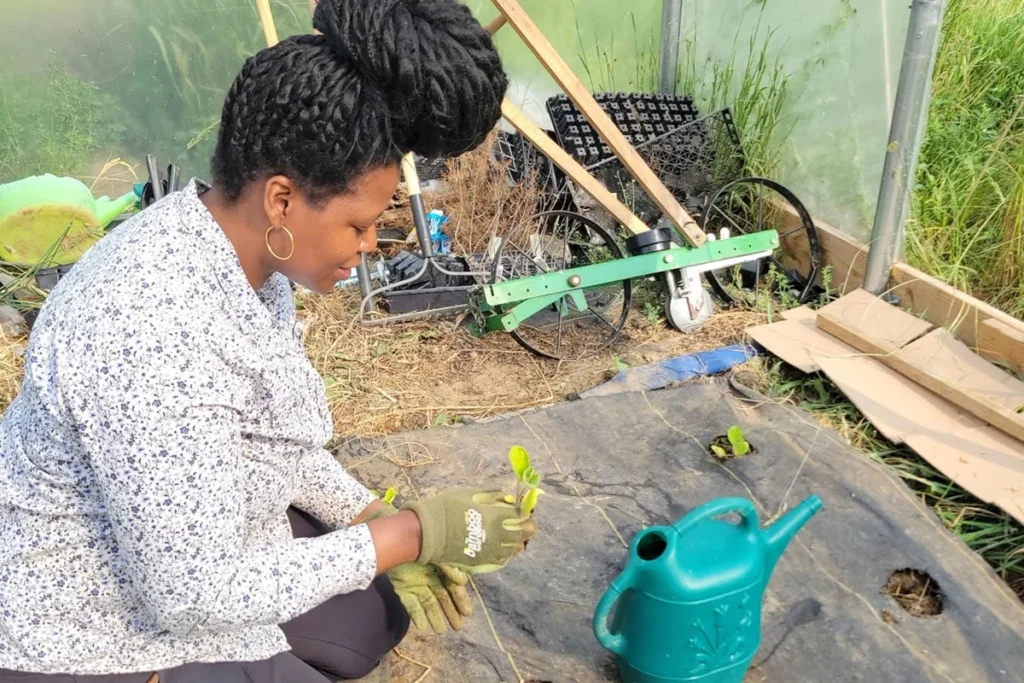
In the rolling landscapes of Washington County, New York, 89 acres of fertile earth tell a story that stretches far beyond the harvest of seasonal vegetables. Black Yard Farm is more than a commercial agricultural operation; it is an act of defiance, a living laboratory for cooperative economics, and a profound statement on the unresolved debt of American history. Founded by Ashanti Williams, the farm stands at the intersection of land stewardship, racial equity, and the persistent struggle for economic sovereignty for Black farmers in the United States.
The Genesis of an Agricultural Ecosystem
Black Yard Farm serves as a thriving sanctuary for a diverse array of life. On any given day, the property hosts dozens of chickens, a resident pig named Pedro, a fleet of barn cats, and plans for the integration of sheep and goats. Beneath the surface of this pastoral scene lies a sophisticated agricultural operation that produces 43 varieties of vegetables annually.
However, Williams—who launched the project in 2020—is quick to clarify that the farm was never intended to be a traditional, singular agricultural business. Instead, it was conceived as a "producer cooperative," a decentralized model where multiple agricultural and farm-adjacent ventures operate under one umbrella. This ecosystem is designed to include everything from maple syrup production and mushroom cultivation to educational workshops and culinary partnerships with visiting chefs. By pooling resources and infrastructure, Black Yard Farm aims to mitigate the historical barriers to entry that have long marginalized Black farmers, allowing them to share the burdens of land ownership and equipment costs without sacrificing individual creative or business autonomy.
A Legacy Rooted in The Bronx
To understand the mission of Black Yard Farm, one must look to the concrete landscape of The Bronx, where Williams’ journey began. Her introduction to the soil occurred at the Taqwa Community Farm, an oasis established in the early 1990s by her grandfather, Abu Talib. Amidst a neighborhood suffering from severe food insecurity and limited access to fresh, nutritious produce, Taqwa became a beacon of community resilience.
By age 11, Williams was deeply embedded in the operations of the farm, eventually helping her family launch a youth-run farmers market. This formative experience instilled in her the understanding that farming is a tool for social infrastructure. It is not merely about production; it is about education, housing, and the fundamental right to reconnect with the land. Today, Black Yard Farm is the spiritual and physical evolution of those early lessons, scaled to provide not just food, but a blueprint for collective survival.
Chronology: From Concept to Cooperative
The evolution of the project has been characterized by both challenge and intentional growth:
- 1990s: The foundational influence of Taqwa Community Farm in The Bronx shapes Williams’ philosophy on food access and community-led agriculture.
- 2020: Black Yard Farm is officially established as a collaborative project with a six-person team.
- 2021–2022: The project faces significant hurdles regarding its initial property lease and internal team dynamics, prompting a search for a more sustainable, long-term home.
- 2023: The farm relocates to its current 89-acre site in Washington County, New York, after finding landowners supportive of the cooperative mission.
- 2024–2025: The farm begins scaling operations, establishing the "umbrella" cooperative model for diverse businesses and preparing for future expansion, including on-site housing.
- 2026 (Upcoming): The farm reaches a critical milestone with an option to purchase the land, requiring a transition from leasehold to ownership.
Supporting Data and The Systemic Wealth Gap
The necessity of Black Yard Farm is underscored by the stark realities of the American agricultural sector. According to data from the U.S. Department of Agriculture (USDA), Black farmers remain significantly underrepresented in land ownership and federal funding allocations. The racial wealth gap, as chronicled by scholars like Mehrsa Baradaran in The Color of Money: Black Banks and The Racial Wealth Gap, is not a historical accident but the result of centuries of policy-driven exclusion.
During the era of chattel slavery, the United States built its economic dominance on the uncompensated labor of Black people. Following the abolition of slavery, the transition into the Jim Crow era effectively codified the exclusion of Black citizens from the resources necessary to build intergenerational wealth. While white slaveholders were often compensated for the "loss of property" (the enslaved people themselves) following the Civil War, Black families were denied the foundational capital required to establish farms, homes, and businesses.
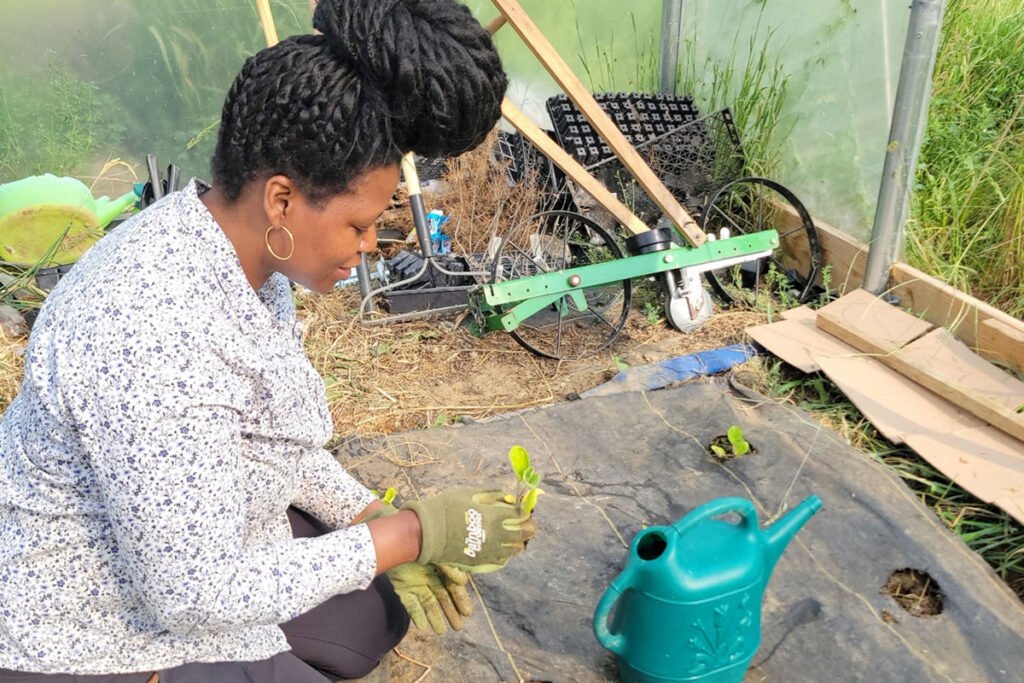
Today, this history manifests in the difficulty small-scale Black farmers face when navigating federal loan programs. While recent legislative efforts have attempted to address these disparities, the complexity of application processes and the language barrier inherent in bureaucratic systems often serve as de facto obstacles.
Political Implications: DEI Under Siege
As Black Yard Farm prepares to secure its future through land ownership, the broader political environment has become increasingly hostile to initiatives focused on racial equity. The current climate, characterized by active legislative and social campaigns against Diversity, Equity, and Inclusion (DEI) initiatives, creates a precarious environment for Black-led organizations seeking federal support.
Williams notes that there is a palpable sense of apprehension regarding how to present a "Black-led and centered" entity to federal agencies. When the very language of social justice is being scrutinized and defunded, the path to obtaining the capital necessary for land acquisition becomes fraught with political risk. The farm is not just growing crops; it is navigating a minefield of shifting federal priorities that could determine the viability of minority-owned agricultural operations for decades to come.
Official Perspectives and the Reparative Argument
The "Voices from the Land" project, a collaborative op-ed series by Farm School NYC and The New Harvest Project, frames the struggle of farmers like Williams as a matter of national reckoning. The project, funded by the Regenerative Agriculture Foundation and the Rural Advancement Foundation International (RAFI-USA), argues that legislation must be tailored to the lived experiences of those who have been historically marginalized.
From the perspective of Black Yard Farm, the argument for reparations is both moral and economic. If the wealth of the nation was built on the theft of Black labor, then the return of access to land—and the support systems required to maintain that land—is a necessary step toward systemic repair. By demanding the same opportunities to build sustainable and profitable businesses as their white counterparts, these farmers are challenging the foundational premises of American capitalism.
Conclusion: A Radical Future
The vision of Black Yard Farm is inherently radical because it posits that land should be a source of communal nourishment rather than an extractive asset. By creating a model that resists the isolation of the traditional market economy, Williams is building a prototype for what a post-reparations agricultural sector could look like.
As she prepares to purchase the 89 acres in Washington County, the success of the farm will serve as a bellwether for the future of BIPOC agriculture in America. The challenges remain immense—from the volatility of federal funding to the cultural pushback against equity-focused initiatives. Yet, the existence of the farm itself, with its chickens, its crops, and its commitment to collective labor, proves that the desire to reclaim the land is an unstoppable force.
Black Yard Farm serves as a stark reminder that until the United States addresses the historical and ongoing theft of Black agricultural potential, the promise of "equal opportunity" will remain unfulfilled. For Williams, the work continues, one season at a time, proving that building a new world requires not just the right tools, but the right foundation.