Digital Blackout: India’s Crackdown on Jack Dorsey’s Bitchat Sparks Global Debate on Censorship and Surveillance
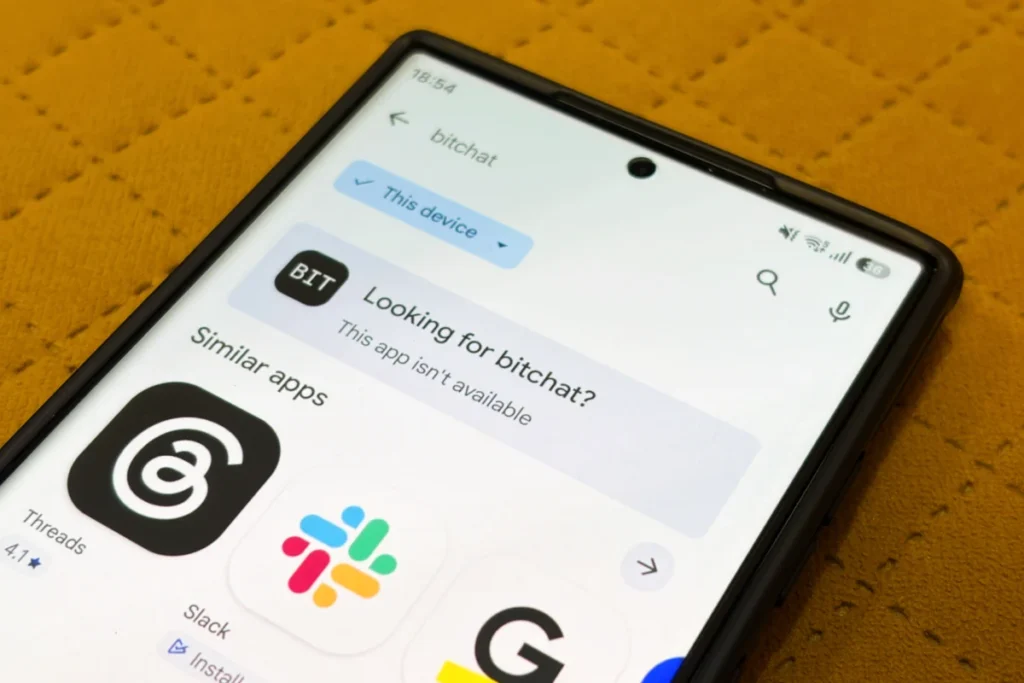
The landscape of digital communication in India shifted dramatically this weekend as Bitchat, the decentralized, Bluetooth-mesh messaging application backed by tech mogul Jack Dorsey, was scrubbed from the nation’s major app stores. The move marks a significant escalation in the Indian government’s ongoing campaign to neutralize communication tools that operate independently of centralized internet infrastructure.
The removal of Bitchat from Apple’s App Store and Google Play, coupled with the blocking of its website across major internet service providers (ISPs), signals a hardening stance by New Delhi against peer-to-peer (P2P) technologies. As protests grip the capital, the government’s efforts to exert control over the digital narrative have collided with the rise of decentralized tools designed specifically to bypass the very infrastructure the state relies on for surveillance and censorship.
The Anatomy of the Crackdown: A Chronology
The disappearance of Bitchat did not happen in a vacuum. It is the culmination of a months-long legal and administrative struggle between the platform’s developers and the Indian Ministry of Electronics and Information Technology (MeitY).
The GitHub Precedent
The conflict first surfaced in July 2026, when authorities targeted the open-source community directly. MeitY issued a directive to GitHub, the world’s largest code repository, demanding the removal of repositories associated with Bitchat. At the time, the government invoked intermediary liability laws, arguing that the software facilitated the spread of content that could not be adequately moderated or traced by law enforcement. This move sent shockwaves through the developer community, as it effectively criminalized the distribution of code based on its inherent functionality rather than specific content.
The Section 69A Escalation
On Saturday, Jack Dorsey confirmed that the latest blow was delivered via a formal order to Apple. The notice cited Section 69A of the Information Technology Act—India’s most potent legal instrument for online censorship. Unlike the earlier intermediary liability claims, Section 69A provides the government with broad, often opaque, powers to block access to digital platforms in the interest of "sovereignty and integrity of India, defense of India, security of the state, friendly relations with foreign states or public order."
Following the Apple notice, the app vanished from the App Store, and its associated TestFlight beta-testing environment was shuttered for Indian users. Concurrently, Google Play users found the app unavailable, and attempts to access the Bitchat website yielded "connection refused" errors across major ISPs, suggesting a synchronized, state-directed effort to erase the app from the Indian digital map.
The Technology: Why Bitchat Worries Authorities
Launched in July 2025, Bitchat was engineered for resilience. Its core value proposition lies in its use of Bluetooth mesh networking, which allows devices in close proximity to form a local network. By hopping signals from one phone to another, users can exchange encrypted messages without requiring cellular data, Wi-Fi, or access to centralized servers.
For the Indian government, this architecture is a nightmare. State agencies have long relied on the ability to mandate internet shutdowns to quell civil unrest. In a traditional network, cutting the connection at the ISP level effectively silences protesters. Bitchat, however, renders such shutdowns obsolete. Because the app does not rely on the internet, it remains functional during the exact moments the state chooses to disconnect the public.
Furthermore, the end-to-end encryption and decentralized nature of the app make it impossible for law enforcement to perform the kind of real-time communication interception that is standard procedure in modern digital policing. To the government, the app’s "functionality" is its primary offense; its very existence challenges the state’s monopoly on communication.
The Context: Protests and Digital Resistance
The timing of this digital siege is far from coincidental. India is currently witnessing a volatile wave of youth-led protests, primarily focused on alleged manipulation of voter rolls and electoral integrity. As thousands have taken to the streets of New Delhi, the government has responded with traditional "kinetic" policing—detaining demonstrators—and digital "asphyxiation," suspending internet services in protest hotspots like Jantar Mantar.
During these shutdowns, Bitchat, alongside similar decentralized apps like Briar, became a lifeline for activists. Data from market intelligence firm Sensor Tower highlights a meteoric rise in usage: between July 17 and July 23, 2026, India accounted for a staggering 85% of the app’s global downloads. This was a jump from a negligible 1% in the prior month, proving that when the state turns off the tap, citizens will find their own pipes.
Official Responses and the Silence of Big Tech
Despite the gravity of the situation, the silence from the corporate giants involved has been deafening. Both Apple and Google, often touted as champions of user privacy, have yet to issue a formal response regarding their compliance with the Indian government’s directives.
Similarly, the Indian Ministry of Electronics and Information Technology has not provided a public explanation for the specific "unlawful" content that justified the use of Section 69A. This lack of transparency is a hallmark of India’s current regulatory environment, where blocking orders are often issued in secret, leaving citizens and developers without a clear path to legal recourse.
Implications: A Chilling Effect on Free Expression
The crackdown on Bitchat carries profound implications for the future of the internet in India and globally.
1. The Death of "Neutral" Code
Legal experts argue that targeting an app because it is "hard to intercept" sets a dangerous precedent. If software can be banned simply because it is encrypted or decentralized, then any secure communication tool—from Signal to PGP email—could be the next target. This essentially mandates that all technology must be "surveillance-friendly" by design.
2. The Internet Freedom Foundation’s Stance
The New Delhi-based Internet Freedom Foundation (IFF) has labeled the government’s order unconstitutional. Their argument is two-fold:
- Misuse of Law: Section 69A is designed to block "unlawful information," not to suppress a tool that enables communication. The government is conflating the utility of the app with the actions of its users.
- Due Process: The IFF notes that the government has failed to make the blocking order public, denying citizens the ability to challenge the decision in court.
3. A Precedent for Authoritarian Tech Policy
Other nations with similar ambitions to control the information flow are watching India closely. The ability to force global tech giants to delete apps on demand serves as a blueprint for "digital sovereignty." As countries move toward fragmented internets—often called the "splinternet"—the ability to use global, decentralized tools like Bitchat is becoming a vital human rights issue.
Conclusion: The Cat-and-Mouse Game Continues
The removal of Bitchat from app stores is a significant setback for digital freedom in India, but it is unlikely to be the final chapter. The nature of open-source, decentralized software is such that it is notoriously difficult to eradicate completely. As the government tightens its grip, the cat-and-mouse game between state authorities and the tech-savvy, protest-hardened youth will likely shift toward more robust, harder-to-block methods of communication.
For now, the message from New Delhi is clear: in the battle between the state’s desire for total oversight and the individual’s right to private, resilient communication, the state will use every lever at its disposal—including the pressure of global market access—to ensure it remains the ultimate arbiter of information. Whether the global tech community will eventually push back against these demands remains the most pressing question for the future of the digital age.