Beyond the Bottom Line: Rethinking New York’s Food Infrastructure
New York’s food landscape is at a critical inflection point. While the state is home to a robust, pre-existing network of independent growers, worker-owned cooperatives, and community food hubs—all dedicated to bridging the gap between the Hudson Valley’s fertile fields and the densely populated urban centers of the five boroughs—a structural flaw threatens their sustainability. This flaw is rooted in the current institutional procurement model, which prioritizes the "lowest bidder" over nutritional value, labor standards, and regional economic health.
As cities look toward innovative solutions like city-owned grocery stores, the question remains: will public policy foster a solidarity economy that lifts up the small-scale infrastructure already in place, or will it inadvertently replicate the industrial-scale supply chains that have historically squeezed farmers and farmworkers?
The Current State of Institutional Procurement
For decades, the standard for institutional food sourcing—the process by which schools, hospitals, universities, and senior centers acquire food—has been driven almost exclusively by cost-minimization. In this model, contracts are awarded to the entities that can provide the lowest price point, often favoring large-scale, consolidated distributors.
The immediate consequence of this "race to the bottom" is a systemic devaluation of food. When the primary metric of success is price, quality and fair wages become the first casualties. Farmers, particularly small-scale and historically marginalized producers, are unable to compete with the economies of scale offered by globalized corporate aggregators. Consequently, the food served in public institutions—the very places meant to nurture the most vulnerable populations, such as students and the elderly—is often low in nutritional density and high in processing.
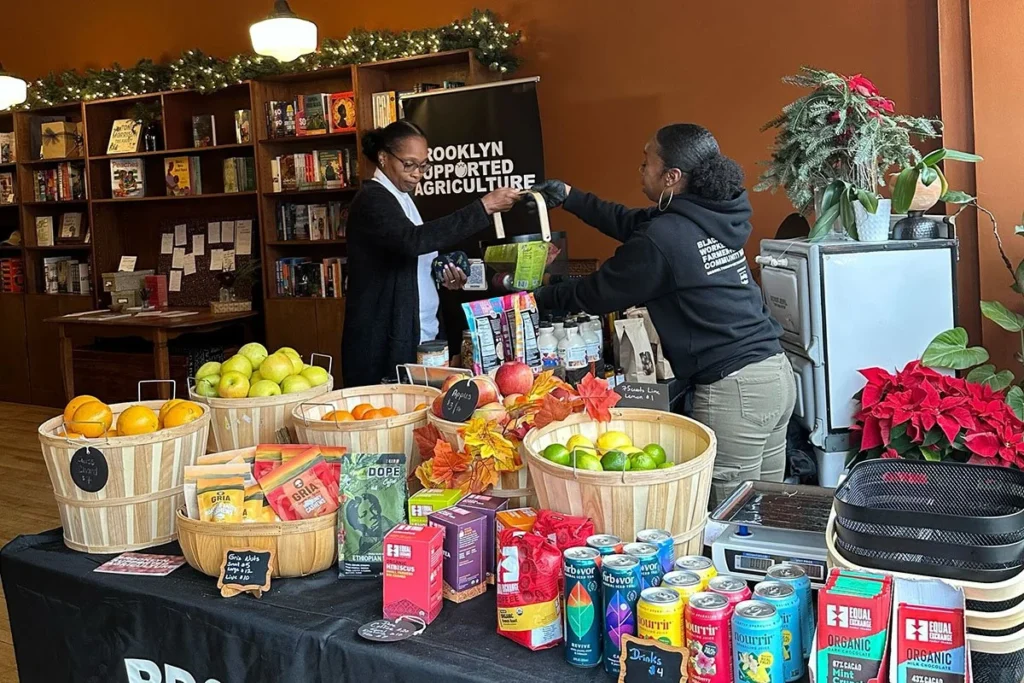
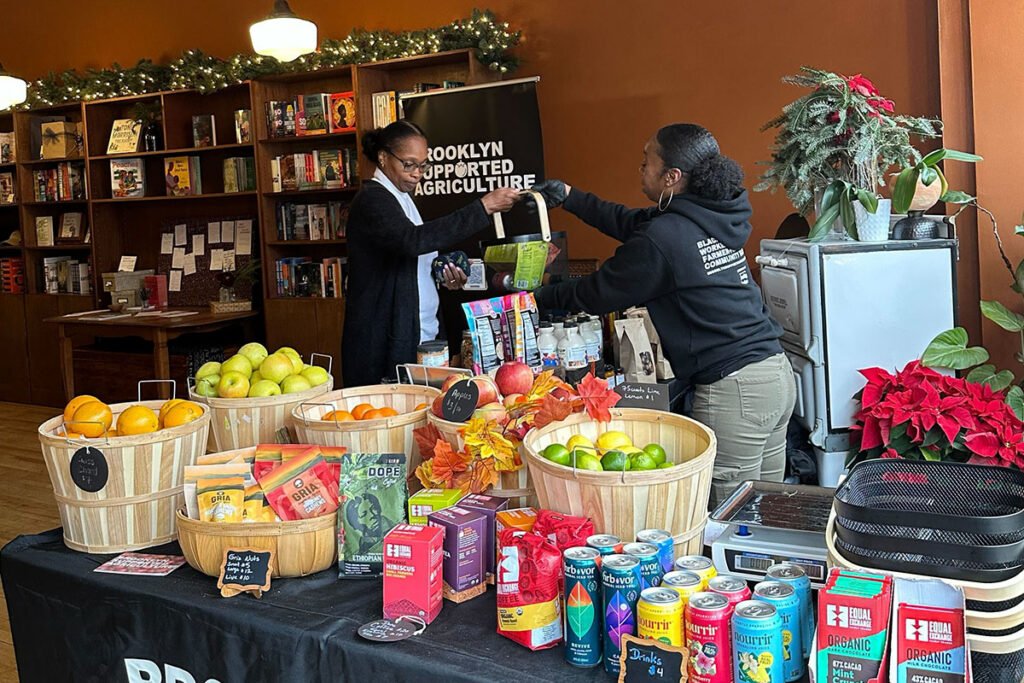
Brooklyn Supported Agriculture (BSA), a worker-owned cooperative co-founded by Shawn Santana and a dedicated team of food activists, has been on the front lines of this tension since 2016. BSA functions as a vital link in the regional food chain, navigating the "delicate dance" of ensuring farmers receive a living wage for their labor while keeping healthy produce affordable for neighborhood residents. Organizations like BSA demonstrate that the infrastructure for a resilient, localized food system is not a theoretical dream; it is already functioning, albeit under extreme financial pressure.
Chronology of a Shifting Landscape
The movement to reform New York’s food system did not appear overnight. It is the result of years of grassroots advocacy and a growing realization that food is a public health necessity rather than a mere commodity.
- 2016: Brooklyn Supported Agriculture (BSA) is established as a worker-owned cooperative, formalizing a commitment to direct-to-consumer and community-based distribution models.
- Late 2010s – Early 2020s: A coalition of food advocates, including groups like the Corbin Hill Food Project and the Connected Chef, begins gaining traction. These groups focus on "food hubs" that manage cold-chain logistics to serve neighborhoods with historically limited access to fresh, healthy food.
- 2023-2024: Legislative momentum builds around the "Good Food NY" bill. Advocates, bolstered by the success of the national Good Food Purchasing Program, begin lobbying to shift municipal procurement criteria.
- 2025-2026: The administration proposes the creation of city-owned grocery stores to combat food insecurity. This policy initiative triggers a debate regarding whether the city should act as a competitor to, or a partner of, the existing cooperative food ecosystem.
- Current Day: A coalition of organizations, including the Catskills Agrarian Alliance and the New York City Network of Worker Cooperatives, releases a white paper outlining a pathway for city-owned stores to integrate with established regional food networks.
The Good Food NY Bill: A Paradigm Shift
The introduction of the Good Food NY Bill represents a landmark legislative effort to redefine "value." By urging municipalities to consider factors beyond the lowest price, the bill aligns with the principles of the Good Food Purchasing Program (GFPP).
The GFPP framework evaluates procurement based on five foundational pillars:
- Local Economies: Prioritizing producers within the region to keep wealth circulating locally.
- Animal Welfare: Ensuring humane practices in the production of animal products.
- Environmental Sustainability: Encouraging farming methods that protect soil health and reduce carbon footprints.
- Nutrition: Increasing the availability of fresh, whole foods in public institutions.
- Valued Workforce: Ensuring that farmworkers and food processors are treated with dignity and paid fair wages.
By embedding these values into the procurement process, the legislation aims to provide a competitive edge to small-scale farmers and vendors. It is a legislative acknowledgment that the current system is broken and that public investment must be used to stimulate a more equitable, circular economy.
Official Responses and the Future of City-Owned Groceries
The proposal for city-owned grocery stores in New York City has been met with both enthusiasm and healthy skepticism. Proponents argue that the state must take a proactive role in addressing "food deserts" where private enterprise has failed to provide adequate access. However, for activists at BSA and similar cooperatives, the success of these stores hinges on their relationship with the existing infrastructure.
The key concerns raised by the community include:
- Supply Chain Integration: Will the city-owned stores source from existing regional food hubs, or will they utilize standard, low-cost industrial wholesalers?
- Community Governance: Will the stores be truly responsive to the needs of the neighborhoods they serve, or will they operate under a top-down bureaucratic model?
- Cooperative Models: Is there an opportunity to utilize the city-owned real estate to house and promote cooperative distribution, thereby scaling up the work already being done by existing networks?
In their collaborative white paper, Prioritizing Affordable, Quality, Neighborhood-Based Supermarket Access as a Public Good, these organizations provide a roadmap. They argue that the city does not need to reinvent the wheel. Instead, it should act as a catalyst by providing the logistics, capital, and procurement contracts that allow existing networks to thrive.
Implications for a Resilient Food Future
The implications of this policy shift are far-reaching. If New York succeeds in pivoting toward a values-based procurement model, it could serve as a national blueprint for urban centers grappling with food insecurity and the decline of regional agriculture.
1. Strengthening the Local Economy
By shifting institutional contracts to local and regional farmers, the state can keep millions of dollars within the local economy. This creates a "multiplier effect," where farmers, in turn, spend their revenue on local supplies, equipment, and services, strengthening the tax base and fostering rural prosperity.
2. Environmental and Health Outcomes
Shorter supply chains mean fewer "food miles," significantly reducing the carbon footprint of the food reaching our plates. Simultaneously, prioritizing fresh, whole foods for schools and hospitals will likely yield long-term savings in public health expenditures by reducing diet-related chronic illnesses.
3. Rebuilding Social Infrastructure
The modern trend of app-based, contactless food delivery has, in many ways, atomized the consumer experience. BSA’s success in hosting pop-up events at community hubs like BEM Books & More and local festivals proves that there is a deep, unmet hunger for human connection in the food system. The "face-to-face" relationship-building inherent in the cooperative model is not just about transactions; it is about building the trust necessary for a resilient, community-centered society.
Conclusion: The Path Forward
The infrastructure for a transformed New York food system is not waiting to be built; it is already in motion. It exists in the relationships between farmers in the Catskills and food hubs in Bed-Stuy. It exists in the labor of worker-owners who believe that food is a human right rather than a tool for corporate profit.
The challenge facing the city today is not one of engineering, but of political will. If policymakers choose to support the existing, resilient networks of small-scale farmers and cooperatives, they can create a food system that is truly sustainable—one that nourishes the body, supports the worker, and preserves the land. We do not need to invent a new system from scratch; we simply need to recognize, value, and empower the one that is already growing around us.