The Reality of the Rural Dream: Deconstructing the Homesteading Myth
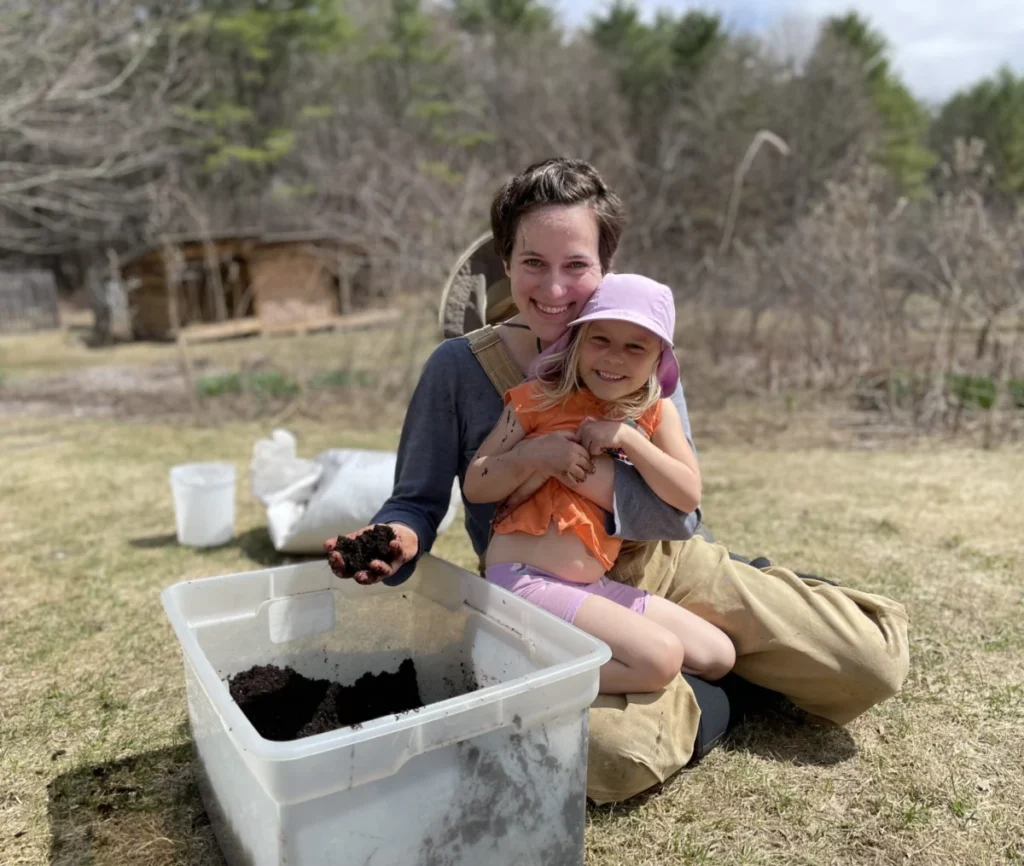
When the creators of the popular personal finance and lifestyle platform Frugalwoods packed up their urban lives in May 2016 to relocate to a 66-acre homestead in the remote woods of Vermont, they carried with them a vision that is shared by millions of dreamers: the pastoral ideal of self-sufficiency. Like many who romanticize rural living, the authors held a singular, gargantuan assumption—that they would ultimately cultivate, raise, and preserve all the food their family required.
Seven years later, the reality of that transition has proven to be a masterclass in the divergence between expectation and execution. As the platform marks its ninth anniversary, the founders are looking back at their initial rural projections, offering a candid, often humorous, and ultimately sobering assessment of what it actually means to live off the land in the modern age.
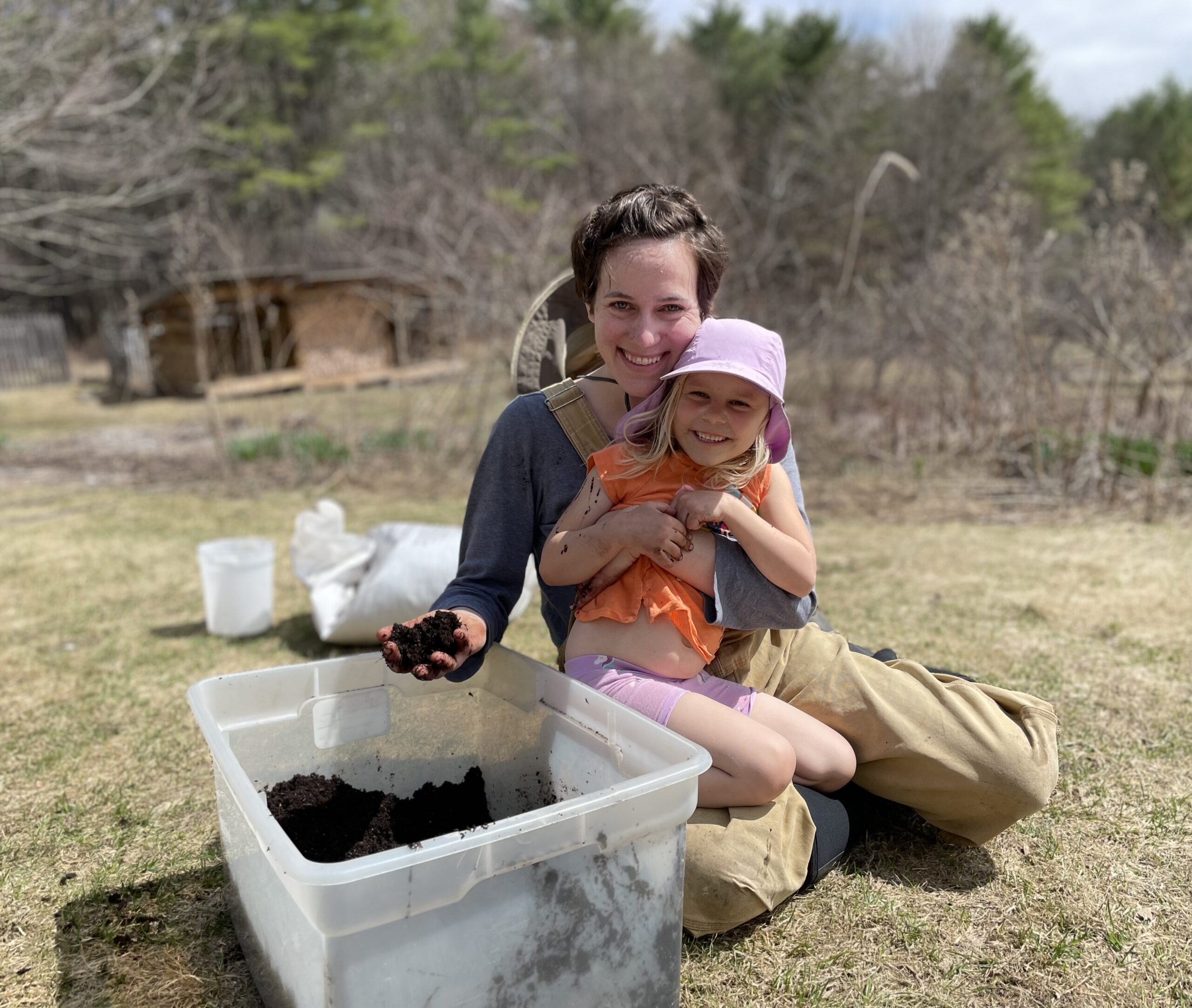
The Myth of the Modern-Day Pioneer
Before the first seed was ever placed in the soil, the vision for the Frugalwoods homestead was idyllic. It was a narrative drawn from the pages of Little House on the Prairie, stripped of the era’s inherent hardships and replaced with a desire for a sustainable, organic, and free-range lifestyle. The dream included raising livestock—meat chickens, pigs, and goats—and maintaining a dairy cow to produce artisanal butter and cheese.

This vision was not merely a fantasy; it was a goal they actively pursued. However, the passage of time and the weight of daily reality have forced a significant shift in their philosophy. They have discovered that while total self-sufficiency is technically possible, it is a pursuit that demands a level of labor that, for them, defeats the very purpose of their move to the country.

A Chronology of the "Gardening Apocalypse"
The turning point for the Frugalwoods homesteaders was not a singular moment of failure, but rather a series of exhausting lessons. The journey from "aspiring pioneer" to "realistic gardener" can be mapped through their evolving relationship with the land.

- The Early Years (2016-2017): The initial phase was characterized by aggressive infrastructure development. This included the construction of the "Big" vegetable garden and the establishment of various growing plots across the 66-acre property. During this period, the authors were highly focused on proving their capability as producers.
- The 2018 "Kale and Chard Apocalypse": This remains the defining event of their early homesteading career. In an attempt to maximize their harvest, the family planted 80 kale and chard plants. The crops thrived—too well, in fact. The subsequent harvest, washing, and preservation process required days of back-breaking labor. It was a logistical nightmare that involved using a child’s plastic pool as a makeshift washing station. The experience served as a sobering reminder that a bountiful harvest can quickly become a liability if the infrastructure and labor capacity to process it are lacking.
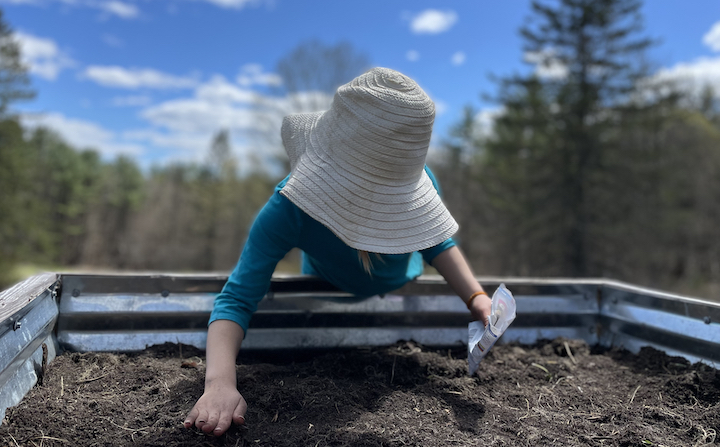
- The Pandemic Shift (2020): During the global health crisis, the family pivoted toward more sustainable, manageable infrastructure. This included the construction of four raised beds near their back porch, designed for accessibility and daily use, rather than massive, season-long production.
- The 2023 Retrospective: Now, seven years into their rural residency, the couple has moved from a mindset of "total production" to one of "selective cultivation." They have accepted that they are not subsistence farmers, but rather people who enjoy the process of gardening without being shackled by it.
Supporting Data: The Logistics of a Modern Homestead
To understand why the full-scale homesteading model failed for this particular family, one must look at the variables involved in rural agriculture. The Frugalwoods’ experience highlights several systemic challenges that every home gardener eventually faces:

The Clever Varmint Patrol (CVP)
A significant portion of their potential harvest is lost to what they jokingly call the "Clever Varmint Patrol." Whether it is turkeys trapped in a fenced blueberry patch or wild animals snatching fruit the moment it ripens, the loss to local wildlife is consistent. The cost-benefit analysis of further fencing or pest control measures often outweighs the value of the produce, leading to a state of perpetual negotiation with nature.

The "All-at-Once" Harvest Problem
Perennial crops like fruit trees often ripen in short, intense bursts. The lack of an industrial-scale preservation setup means that the family faces a "feast or famine" cycle. They have found that attempting to preserve 100% of a massive harvest—such as their experience with pickles—leads to waste and a sense of resentment toward the process.

The Time-Cost Equilibrium
The authors have concluded that "chaining" themselves to a garden is fundamentally identical to the "rat race" they sought to escape in the city. A garden requires constant maintenance—weeding, watering, and monitoring—that ignores the gardener’s desire for leisure, travel, or time with children. When the garden dictates the schedule, the "freedom" of rural life is effectively forfeited.

The Philosophical Shift: Acceptance as a Metric of Success
The most significant takeaway from the Frugalwoods retrospective is the shift in how they define success. They have moved away from the external pressure to perform as "perfect homesteaders" and have embraced a model of balance.
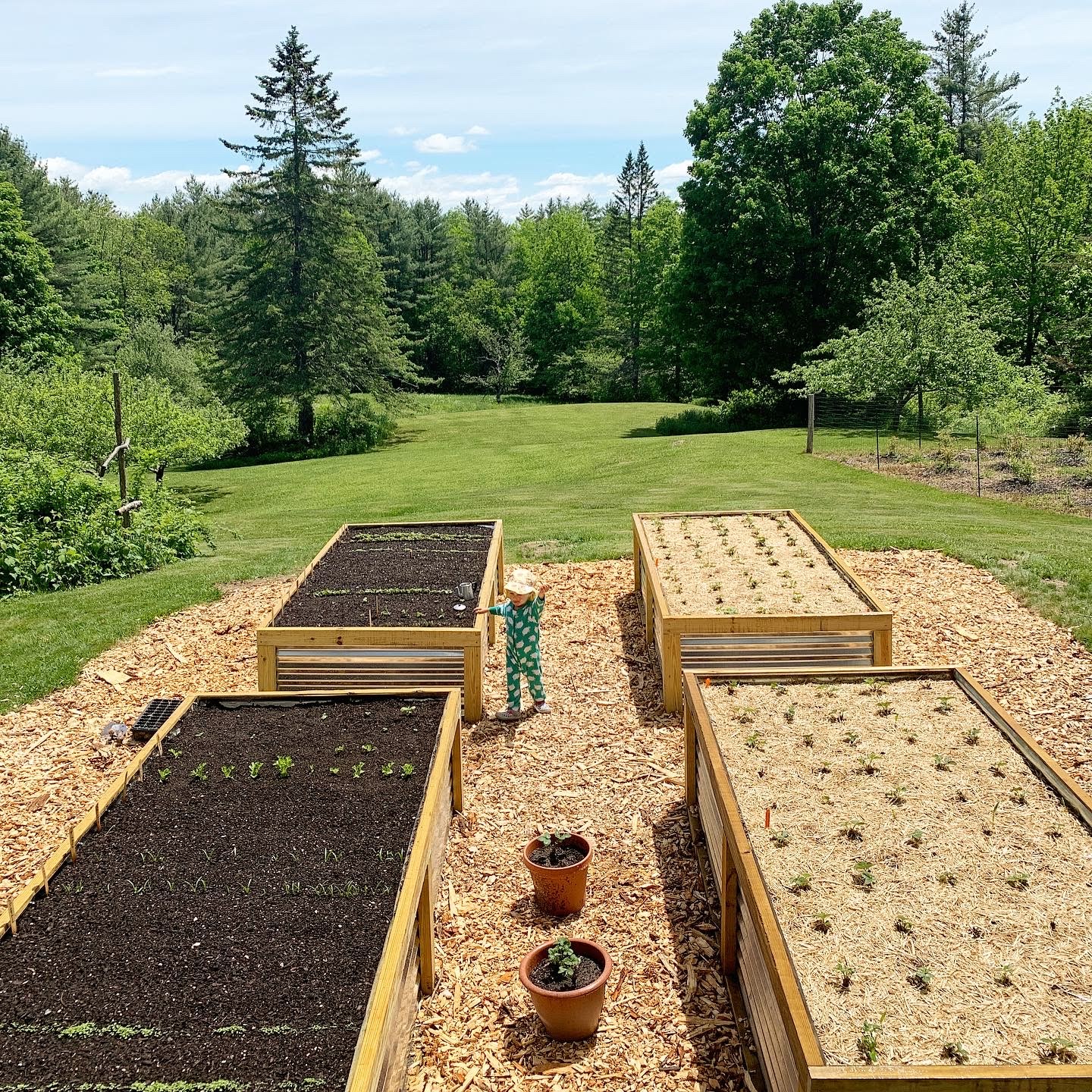
In their current operation, they have divided their food-growing into three manageable categories:

- The Raised Beds: Used for daily culinary needs like herbs, greens, and strawberries.
- The "Big" Vegetable Garden: A space for annual crops where each child maintains their own row, focusing on education and engagement rather than maximum yield.
- Perennial Fruit: A long-term project that provides supplementary food, acknowledging that the majority of these yields are a bonus, not a requirement for survival.
This approach acknowledges that their primary privilege is the choice to opt out of the subsistence lifestyle. By supporting their neighboring farmers who do commit to full-time agriculture, the Frugalwoods have found a way to participate in the local food economy without the burden of complete self-reliance.

Implications for the "Back to the Land" Movement
The story of Frugalwoods serves as a cautionary tale for those currently considering a move to the country. It highlights several critical implications:

- Avoid the "Perfection Trap": The pressure to live up to curated social media images of homesteading can lead to burnout. Prospective homesteaders must define their own version of success that aligns with their personal energy levels and time constraints.
- Infrastructure Matters: The "gargantuan assumption" that one can simply start farming is often hampered by a lack of proper equipment. Processing food at scale requires more than just a kitchen; it requires a specialized environment that is often difficult to maintain in a residential home.
- Quality of Life is the Primary Goal: For many, the move to a rural setting is about reclaiming time and reducing stress. If the homesteading process becomes a source of anxiety, it has effectively failed its primary mission.
- Community Integration: Perhaps the most valuable lesson is the importance of the local economy. Supporting neighbors who are expert producers is not a failure; it is a vital part of building a resilient local community.
Conclusion
The Frugalwoods’ journey from city dwellers to rural homesteaders has been a transition from a romanticized ideal to a pragmatic reality. Their story is a reminder that the "homesteading dream" is not a static destination, but a fluid process of trial and error.

By letting go of the guilt associated with not being a perfect provider, they have actually become more successful in the areas that matter most: enjoying their land, spending time with their children, and maintaining the freedom that originally drove them to the woods. In the end, they have discovered that the most sustainable product they can cultivate is not a tomato or a jar of pickles, but a life that feels authentic, balanced, and—above all—livable.