IRS Launches Digitally Authenticated Tax Compliance Report: A New Era of Digital Verification
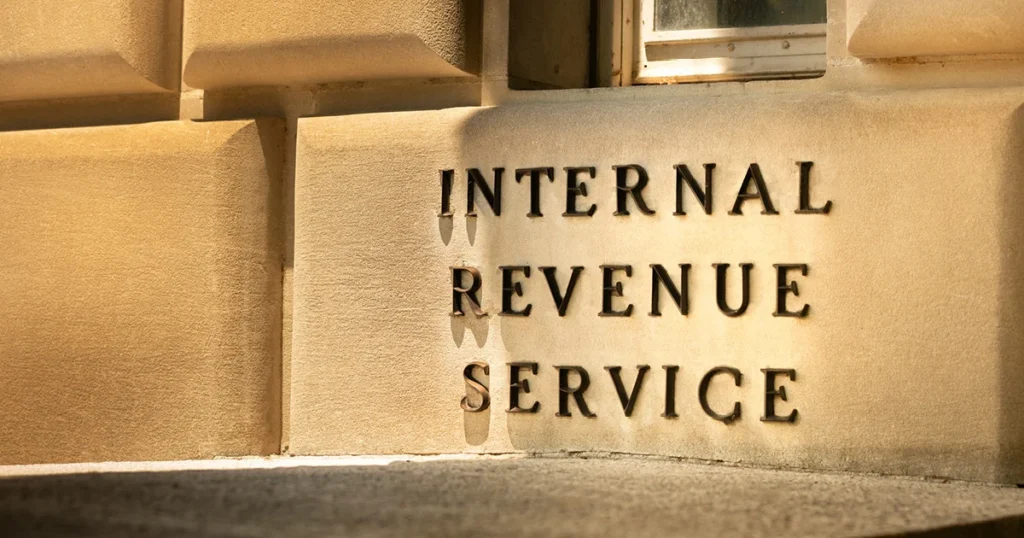
In a significant stride toward the modernization of federal administrative processes, the Internal Revenue Service (IRS) has officially launched a new, digitally authenticated Tax Compliance Report. This service is designed to empower taxpayers by providing an on-demand, verifiable document that confirms their history of filing tax returns and meeting payment obligations. The initiative represents a pivotal shift in how taxpayers interact with third-party entities—such as lenders, government agencies, and potential employers—by replacing outdated, cumbersome paper verification methods with a secure, cryptographically signed digital asset.
The Core Facts: What the New Report Entails
The Tax Compliance Report serves as an official confirmation of an individual’s tax status. For years, taxpayers requiring proof of their tax compliance for mortgage applications, government benefits, or professional background checks have often faced delays, relying on outdated transcripts or manual verification requests that could take weeks to process.
The new report is generated directly from the taxpayer’s IRS Individual Online Account. Crucially, it comes equipped with a built-in digital certificate. When a taxpayer shares this document with a third party, the recipient can use the digital signature to verify the document’s authenticity, ensuring that the information has not been altered or tampered with since it was issued by the IRS.
The report specifically confirms two critical data points:
- Filing Status: Whether the taxpayer has submitted their required returns.
- Payment Status: Whether the taxpayer has met their tax liabilities on time.
This development is part of a broader IRS initiative to provide taxpayers with more control over their personal financial data while simultaneously reducing the administrative burden on the agency’s workforce.
Chronology: The Digital Transformation of the IRS
The launch of the Tax Compliance Report did not occur in a vacuum; it is the culmination of a multi-year digital modernization strategy mandated by the Inflation Reduction Act of 2022 and fueled by the IRS’s Strategic Operating Plan.
- Pre-2020: Taxpayers were largely dependent on paper-based systems, including the manual request of "Tax Return Transcripts" via mail or in-person visits to local IRS Taxpayer Assistance Centers.
- 2021–2023: The IRS accelerated the development of the "Individual Online Account" portal, allowing users to view balance information, make payments, and access basic transcripts digitally.
- February 2025: A landmark month for the agency, the IRS integrated Form W-2 (Wage and Tax Statement) and Form 1095-A (Health Insurance Marketplace Statement) directly into the Individual Online Account portal. This provided taxpayers with the ability to see the same information the IRS receives from employers and insurers.
- Mid-2025: The official rollout of the digitally authenticated Tax Compliance Report, marking the first time the agency has utilized cryptographic digital signatures on a consumer-facing report of this nature.
This chronology highlights a clear trajectory: the IRS is moving away from a reactive, paper-heavy institution toward a proactive, digital-first service provider.
Supporting Data: Why Digital Authentication Matters
The necessity for this report is rooted in the increasing complexity of financial verification. In an era where identity theft and document fraud are rising, traditional PDFs—which can be easily edited—are no longer considered sufficient for high-stakes financial transactions.
According to industry data, millions of applications for government benefits and private-sector loans require verification of income and tax status. By providing a report with a verifiable digital certificate, the IRS is reducing the risk of "information asymmetry," where lenders are unsure of the validity of the data presented by an applicant.
Furthermore, the integration of W-2 and 1095-A forms into the portal earlier this year provides the "data backbone" for this new report. By centralizing these records, the IRS creates a "single source of truth." When a taxpayer pulls their compliance report, they are essentially viewing a summary of the data already verified by the agency’s internal systems, minimizing the likelihood of discrepancies that often lead to denied loans or delayed benefit processing.
Official Responses and Strategic Intent
IRS leadership has been vocal about the importance of this launch. Frank Bisignano, who has championed the agency’s modernization efforts, emphasized the dual goal of efficiency and security.
"By providing a secure, digitally authenticated report, the IRS is making it easier for taxpayers to access and share important information while protecting privacy and data integrity," Bisignano stated in the official news release.
From an agency perspective, the strategic intent is twofold:
- Reducing Call Volume: By empowering taxpayers to self-serve, the IRS expects a reduction in the number of calls to the agency’s help centers requesting basic verification letters. This allows IRS employees to focus on more complex audit and enforcement cases.
- Enhancing Public Trust: By providing a tool that is cryptographically secure, the IRS is signaling that it is a modern, tech-forward institution that takes the protection of taxpayer identity seriously.
Industry experts have also weighed in, noting that this move aligns the IRS with other major financial institutions that have long utilized digital signing services like DocuSign or Adobe Sign to ensure the integrity of contracts and financial disclosures.
Implications for Taxpayers and Third-Party Organizations
The implications of this shift are far-reaching for several key stakeholders:
For Taxpayers
The most immediate benefit is the elimination of "wait time." Taxpayers no longer need to wait for a letter to arrive in the mail. They can log in, download the report, and email it to their mortgage lender or landlord within minutes. Furthermore, because the report is digitally signed, it carries a higher level of credibility, which may result in faster approval times for loans and government assistance.
For Financial Institutions
Banks and credit unions are perhaps the greatest beneficiaries. Currently, verifying tax compliance requires the institution to either trust an unverified document or require the taxpayer to sign a Form 4506-T, which allows the lender to request transcripts directly from the IRS—a process that can take days. With the new digitally authenticated report, a lender can verify the IRS signature in seconds using standard PDF software, drastically shortening the loan underwriting process.
For Government Agencies
Agencies providing social safety net services often require proof of income and tax compliance to prevent benefit fraud. This report provides a low-cost, secure method for these agencies to verify eligibility, potentially saving millions in administrative overhead and fraud prevention costs.
Challenges and Future Outlook
Despite the benefits, there are challenges to consider. Digital literacy remains a hurdle; not all taxpayers are comfortable navigating the IRS online portal. The agency must ensure that the user interface remains intuitive and that accessibility standards are met for individuals with disabilities.
Additionally, as the IRS continues to digitize, the "attack surface" for cybercriminals may expand. The security of the Individual Online Account—which serves as the gateway to these reports—will remain a top priority. The IRS continues to emphasize the use of Multi-Factor Authentication (MFA) to protect these portals from unauthorized access.
Looking forward, the IRS has hinted that this report is just the beginning. As more forms are integrated into the individual portal, the scope of the Tax Compliance Report may expand to include more granular detail, such as specific income breakdowns or historical tax payment trends, provided the taxpayer authorizes the release of such information.
Conclusion
The introduction of the digitally authenticated Tax Compliance Report is a testament to the IRS’s ongoing evolution. By leveraging modern cryptography and user-centric design, the agency is successfully bridging the gap between bureaucratic necessity and digital convenience.
For the average taxpayer, this means less time dealing with the "red tape" of government bureaucracy and more time managing their financial life. For the broader economy, it represents a more efficient, transparent, and secure method of verifying the data that drives major financial decisions. As the IRS continues to refine its digital ecosystem, the Tax Compliance Report will likely become the gold standard for tax verification in the United States, setting a new benchmark for how government agencies can provide value in the digital age.
For further guidance on accessing the report, taxpayers are encouraged to visit the Tax Compliance Report section on the official IRS website. Questions, comments, or suggestions for future reporting on IRS digital initiatives may be directed to Martha Waggoner at [email protected].