AICPA Calls for Urgent Modernization of IRS Taxpayer Data Management Systems
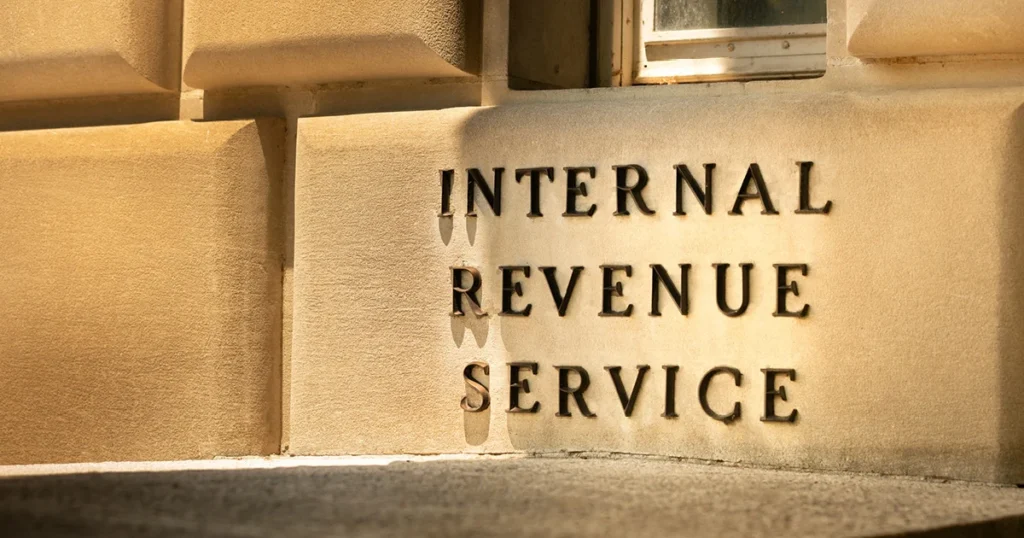
In a move aimed at bridging the widening gap between antiquated administrative procedures and modern digital expectations, the American Institute of CPAs (AICPA) has formally urged the Internal Revenue Service (IRS) to overhaul its process for updating taxpayer names and addresses. In a letter submitted to the agency this past Monday, the professional organization highlighted how the current reliance on manual, paper-based processing is not merely an inconvenience—it is a significant bottleneck that undermines tax compliance, imposes unnecessary financial burdens on taxpayers, and diverts critical agency resources away from higher-priority administrative functions.
The AICPA’s recommendation serves as a clarion call for the IRS to embrace automation, suggesting that the integration of digital, real-time verification systems could transform a process that currently takes months into one that takes seconds.
The Core Issue: An Analog Process in a Digital World
At the heart of the AICPA’s argument is the inefficiency of the current system. Under existing IRS protocols, taxpayers seeking to update their names must often submit signed physical documentation, while address changes are frequently handled via paper forms. While taxpayers can technically notify the IRS of changes when filing their annual tax returns, this method lacks the agility required for life events that occur between filing seasons.
According to the AICPA, members have reported that routine name and address change requests currently suffer from processing times ranging from six to eight weeks, with many cases extending well beyond that window. This lag is not merely an administrative nuisance; it creates a "domino effect" of systemic failures. When taxpayer information is not updated promptly, the consequences are immediate and far-reaching:
- Communication Failures: IRS notices are mailed to obsolete addresses, leading to taxpayers missing critical deadlines for responses.
- Financial Disruption: Delayed or misdirected refunds and payments create cash-flow crises for individuals and businesses alike.
- Administrative Friction: Payroll providers, financial institutions, and vendors often rely on accurate IRS records to facilitate transactions; when these records are mismatched, tax forms are rejected, causing widespread operational headaches.
- Compliance Risks: Perhaps most alarmingly, when taxpayers fail to receive correspondence due to outdated records, they may face escalated collection activities, loss of appeal rights, and the accrual of additional penalties and interest—all through no fault of their own.
Chronology and Evolution of the Request
The AICPA’s recent letter is the latest in a series of long-standing efforts to modernize the IRS’s technological infrastructure. For years, the professional body has advocated for the agency to adopt a "private-sector" standard of service, where account management is instantaneous and transparent.
The Paper-Based Era
For decades, the IRS has relied on the U.S. Postal Service (USPS) and manual data entry to maintain its master file. In an era before robust cloud computing and real-time database syncing, this was the industry standard. However, as the financial sector moved toward instant electronic verification, the IRS remained tethered to physical mail and legacy mainframe systems.
The COVID-19 Catalyst
The pandemic exposed the fragility of the IRS’s paper-dependent operations. During the lockdowns, the agency’s inability to process physical mail led to a massive backlog that persisted for years. This crisis served as a watershed moment for the AICPA, which saw firsthand how the inability to manage simple taxpayer data led to mass confusion regarding stimulus payments and tax credits.
The Current Proposal
The letter sent this week marks a strategic shift from merely identifying problems to proposing a concrete technological solution: the creation of an automated portal within existing IRS online accounts. By allowing taxpayers and authorized practitioners to initiate changes digitally, the AICPA believes the IRS can move toward a "self-service" model that mirrors how modern banking and government agencies operate globally.
The Proposed Solution: Automation and Verification
The AICPA’s blueprint for modernization is rooted in the concept of "automated verification." Rather than forcing IRS employees to manually review every change of address, the organization suggests that the agency utilize existing, trusted data streams.
Utilizing Trusted Sources
The proposal suggests that the IRS cross-reference address change requests with the USPS’s National Change of Address (NCOA) database. For name changes—which are more complex due to legal requirements—the AICPA suggests integrating with state-level business registration databases and vital records systems.
A Tiered Review System
The AICPA acknowledges that automation cannot solve every edge case. Their recommendation includes a sophisticated tiered approach:
- Automated Processing: Requests that match verified external data sources are updated immediately, with the taxpayer receiving an instant digital confirmation.
- Manual Review: Requests that flag potential fraud risks or fail to match established databases are routed to IRS personnel for human oversight. This ensures that the agency’s fraud-prevention capabilities remain robust while routine updates are fast-tracked.
Electronic Status Tracking
One of the most requested features by practitioners is transparency. The AICPA suggests that the IRS implement an "order tracking" feature for these requests, similar to the tracking available for installment agreements. This would allow taxpayers and CPAs to see the status of their request—whether it is pending, approved, rejected, or flagged for further information—thereby reducing the number of follow-up calls to an already overburdened IRS help desk.
Official Responses and Strategic Implications
The IRS has been undergoing a multi-year technological transformation funded by the Inflation Reduction Act, but the focus has largely been on enforcement and digital scanning of paper returns. The AICPA’s letter serves as a reminder that the maintenance of taxpayer data is just as vital to tax administration as the collection of tax revenue.
Impact on Tax Administration
By prioritizing the automation of account maintenance, the AICPA argues that the IRS would reap significant internal benefits. "By prioritizing and automating this taxpayer account maintenance process, the IRS would effectively allow for the timely, accurate, and efficient updating of taxpayer information and the dedication of IRS resources to higher-priority tax administration issues," the letter stated.
In short, if the IRS stops spending thousands of hours manually updating addresses, those employees can be reassigned to address complex audit issues, tax evasion investigations, and high-level taxpayer assistance.
The "Private-Sector" Standard
The AICPA’s push is heavily influenced by the expectation of comparable private-sector services. Today’s taxpayers manage their bank accounts, healthcare portals, and social security benefits through intuitive mobile apps. The IRS, by contrast, is often viewed as a digital laggard. The AICPA contends that closing this gap is essential for maintaining public trust in the tax system. When the IRS is slow, the tax system is viewed as broken; when the IRS is fast and responsive, compliance rates generally improve.
Broader Implications for Taxpayers and Practitioners
The implications of this proposed transition are profound for both the tax profession and the general public.
For the Taxpayer
For the average taxpayer, an automated system would eliminate the anxiety of "Did the IRS get my change of address?" The ability to receive an immediate, time-stamped confirmation provides legal certainty. Furthermore, it prevents the cascading errors that occur when the IRS sends a notice to an old address, which can lead to a "silent" audit where the taxpayer is unaware of a problem until it has escalated into a lien or a levy.
For the Practitioner
CPAs and tax preparers act as the frontline of tax administration. When they cannot resolve a simple address change for a client, they are forced to spend hours on the phone with IRS support, which is often characterized by long hold times and disconnected calls. Automating these requests would allow practitioners to focus on high-value advisory services rather than administrative data entry.
A Path Toward Voluntary Compliance
There is a psychological element to tax compliance: when systems are easy to use, taxpayers are more likely to stay current. Conversely, when bureaucratic hurdles make it difficult to update one’s information, taxpayers may become discouraged, leading to a breakdown in communication that is detrimental to the entire tax ecosystem.
Conclusion
The AICPA’s recommendation to the IRS is a pragmatic, evidence-based plea for modernization. By leveraging the existing digital tools available in the 21st century, the IRS has the opportunity to reduce its operational overhead, enhance taxpayer security, and provide a level of service that matches the expectations of a modern, digitized society.
As the IRS continues its efforts to digitize its operations, the call from the accounting profession is clear: it is time to move beyond the era of paper forms and manual intervention. The technology to automate taxpayer data management exists; the question is whether the agency will commit to implementing it to create a more responsive and efficient tax administration system for all Americans.
For further details on the AICPA’s specific recommendations, or to provide input on the ongoing dialogue regarding IRS modernization, stakeholders are encouraged to monitor the official AICPA-CIMA resource hub or contact the organization’s advocacy department.