The Death of the Clarity Act and the Rise of Regulatory Rulemaking: A Turning Point for U.S. Crypto Policy
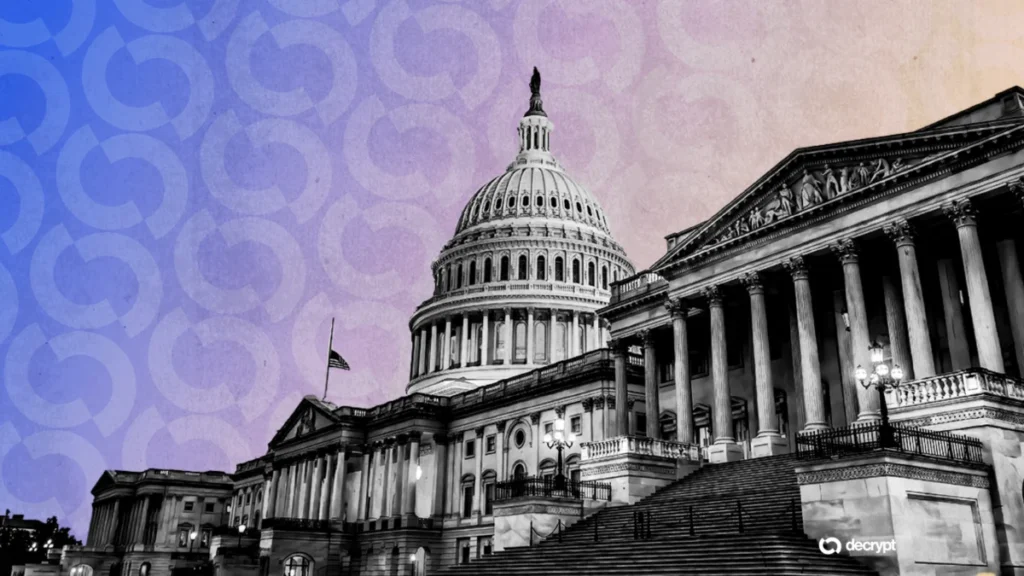
For anyone tracking the turbulent twists and turns of digital asset policy in Washington, D.C., this past week proved to be both bruising and consequential. It marked a definitive shift in the center of gravity for cryptocurrency oversight, moving away from a gridlocked and highly partisan Congress and thrusting regulatory agencies squarely into the driver’s seat.
While federal lawmakers spent more than a year meticulously drafting landmark market structure legislation, the effort ultimately collapsed on the Senate floor. The failure has exposed deep ideological fractures, stoked fears of political entanglements, and forced the multi-trillion-dollar crypto industry to seek salvation not from Capitol Hill, but from regulatory heavyweights like the Securities and Exchange Commission (SEC) and the Commodity Futures Trading Commission (CFTC).
1. Main Facts
The central event of the week occurred on Tuesday, when the United States Senate failed to advance the much-anticipated Clarity Act in a dramatic and closely watched procedural vote. The legislation, billed as the definitive market structure bill for the digital asset ecosystem, fell well short of the necessary 60-vote threshold to break a filibuster and advance toward a final vote.
The final recorded tally stood at 49–50, a devastating outcome after more than a year of grueling, late-night bipartisan negotiations.
The vote laid bare a toxic political dynamic: Senate Democrats voted as a solid bloc against the measure, joined by a trio of dissenting Republicans—Sens. Susan Collins (R-ME), Josh Hawley (R-MO), and Jerry Moran (R-KS). Meanwhile, Sen. Thom Tillis (R-NC) initially cast a "yes" vote before strategically switching to a "no." This parliamentary maneuver preserved the procedural option of bringing the bill back to the floor at a later, more politically advantageous date.
The immediate fallout of the bill’s defeat triggered a rapid pivot across the federal government. With Capitol Hill paralyzed by partisan friction and political fatigue, financial regulators stepped into the vacuum.
By Thursday, SEC Chairman Paul Atkins announced a landmark innovation exemption designed to give legal breathing room to tokenized U.S. stocks. Simultaneously, the CFTC moved forward with a no-action letter for passive software providers and submitted a comprehensive, long-awaited crypto market rulemaking proposal to the White House for executive review.
2. Chronology of a Collapse
To understand how Washington arrived at this legislative precipice, one must examine the frantic timeline that culminated on Tuesday afternoon.
Late-Stage Negotiations in the Capitol Basement
As recently as Monday evening, bipartisan working groups were burning the midnight oil in the subterranean corridors of the Capitol. According to congressional staffers speaking on background to Crypto In America, negotiations remained active up until the procedural bells began to ring on Tuesday.
Sources indicated that Sen. Tillis was actively exploring ways to delay the vote to afford both sides another 48 hours to iron out lingering text disputes. However, those efforts were abruptly halted when a staffer for Senate Banking Committee Chair Tim Scott (R-SC) pulled the plug on negotiations without offering a detailed public explanation. The sudden termination blindsided Democratic negotiators, who felt that a deal was still within reach if cooler heads had prevailed.
The Tuesday Procedural Showdown
When the Senate gaveled into session on Tuesday, the political atmosphere was tense. Supporters of the Clarity Act hoped that years of lobbying, industry pressure, and bipartisan committee work would yield a breakthrough.
Instead, the procedural vote devolved into a partisan referendum. As the roll call wound down, the arithmetic was clear: the bill was dead on arrival for this legislative vehicle. The final 49–50 tally signaled that the fragile coalition holding the bill together had fractured under the weight of external political pressures.
The Post-Vote Scramble and Regulatory Response
Immediately following the defeat, lawmakers on both sides rushed to microphoness and press rooms to spin the narrative. Yet, while the political blame game dominated the airwaves, executive agencies were already preparing their counter-moves.
- Thursday morning: SEC Chairman Paul Atkins publicly linked the agency’s new regulatory pathways directly to the Senate’s failure, unveiling an innovation exemption for tokenized equities.
- Thursday afternoon: The CFTC followed suit, issuing a targeted no-action position for passive software developers while advancing its overarching digital asset framework to the White House Office of Management and Budget (OMB) for review.
3. Supporting Data and Voting Breakdown
The numbers surrounding the Clarity Act’s defeat tell a story of profound political polarization. Passing major financial legislation in a 100-member Senate requires a supermajority of 60 votes—a high bar that has proven fatal for numerous modern bills.
- Final Vote Tally: 49 Yes – 50 No.
- Democratic Stance: Unified opposition. All voting Democrats opposed the procedural motion to advance.
- Republican Dissent: Three Republican senators broke ranks to vote with the Democrats:
- Sen. Susan Collins (R-ME)
- Sen. Josh Hawley (R-MO)
- Sen. Jerry Moran (R-KS)
- Procedural Maneuver: Sen. Thom Tillis (R-NC) switched his vote from "aye" to "nay" at the eleventh hour, a tactical move allowing him to motion to reconsider the bill at a future date.
Underpinning the legislative gridlock is a rapidly expanding user base. Industry advocates frequently cite that over 70 million American citizens actively engage with digital assets, decentralized finance (DeFi), and blockchain technologies. The stark disconnect between a vibrant, multi-million-person domestic user base and a stagnant regulatory framework has fueled immense frustration among founders, venture capitalists, and everyday investors alike.
4. Official Responses and Stakeholder Reactions
Unsurprisingly, the collapse of the Clarity Act unleashed a torrent of finger-pointing, recriminations, and defense of good-faith efforts from key political and industry figures.
Republican Frustration and Accusations of Bad Faith
Sen. Cynthia Lummis (R-WY), the chief architect of the bill and one of the Senate’s most vocal digital asset champions, did not mince words following the vote.
"Senate Democrats proved they were never truly serious about protecting consumers and preserving American leadership," Sen. Lummis declared. "I sat at the table with Senate Democrats working in good faith to get this done while they played games."
Republicans argued that Democratic opposition was driven less by policy disagreements and more by a cynical desire to starve the nascent industry of legitimacy ahead of upcoming election cycles.
Democratic Defiance: "The Bill Is Not Dead"
Conversely, the group of Senate Democrats who had spent months at the negotiating table pushed back against the narrative that they had abandoned the field. Immediately after the vote, Sen. Angela Alsobrooks (D-MD) spoke to reporters, insisting that the framework would live to fight another day.
"It’s not going to die," Sen. Alsobrooks asserted. "You know why it’s not going to die? Because over 70 million Americans are engaging in an industry that is unregulated, and we have a responsibility to regulate."
Alsobrooks was joined by a formidable coalition of Democratic negotiators, including Sens. Kirsten Gillibrand (R-NY—Note: Gillibrand is a Democrat from NY), Mark Warner (D-VA), Cory Booker (D-NJ), Catherine Cortez Masto (D-NV), Ruben Gallego (D-AZ), and Raphael Warnock (D-GA). In a joint statement, the group labeled the vote "a setback, but not the end," reaffirming their commitment to finding a bipartisan path forward. Sources close to these lawmakers indicate that early backdoor discussions to restart talks are already underway.
Industry Fatigue and the Pivot to Regulators
For the crypto industry at large, however, patience with Capitol Hill has worn thin. Years of endless committee hearings, stalled legislation, and shifting political goalposts have left market participants exhausted.
Kristin Smith, President of the Solana Policy Institute, captured the sentiment of many institutional stakeholders in a sharp critique of congressional efficacy:
"Congress passed the GENIUS Act and pushed hard on the Clarity Act, but the political will to get it across the finish line wasn’t there. Congress had its chance and didn’t rise to it," Smith stated. "We’re now looking to regulators for guidance, and that’s the more viable path forward right now."
5. Implications for the Future of U.S. Crypto Policy
The failure of the Clarity Act and the simultaneous pivot by federal regulators carry massive implications for the trajectory of blockchain technology and digital finance in the United States.
The Shadow of Presidential Politics
A major catalyst for the hardening of Democratic opposition appears to be the evolving political landscape surrounding digital assets, specifically touching upon concerns over President Donald Trump’s personal and familial crypto business ventures. Democratic staffers privately voiced concerns that rushing a comprehensive market structure bill through the legislative pipeline would inadvertently enshrine favorable conditions for politically connected players or corporate interests associated with the administration—a dynamic one staffer bluntly termed protecting Trump’s "grift." This political toxicity poisoned what should have been straightforward technical negotiations over consumer protection and market integrity.
Lowercase "c" Clarity via Administrative Action
With Capitol Hill effectively sidelined for the foreseeable future, the regulatory agencies are wasting no time establishing de facto rules of the road.
- The SEC’s Innovation Exemption: By leveraging the Clarity Act’s failure as a rationale, SEC Chairman Paul Atkins has opened the door for tokenized U.S. stocks to trade natively on public blockchains. This move could fundamentally alter equity markets, bridging traditional Wall Street instruments with decentralized infrastructure.
- The CFTC’s Active Stance: Meanwhile, the CFTC is carving out regulatory clarity for software developers through strategic no-action letters. More importantly, its pending rulemaking proposal—currently sitting before the White House—signals that the agency intends to construct a comprehensive oversight regime for derivatives and crypto applications without waiting for congressional authorization.
Conclusion
The week began with high hopes for a statutory framework that would provide definitive, uppercase "C" Clarity to the American digital asset economy. It ended with that legislative dream shattered on the Senate floor.
Yet, history suggests that markets abhor a vacuum. As federal agencies step into the legislative void with bespoke exemptions, no-action policies, and executive rulemakings, the crypto industry is receiving its answers. For now, that clarity will arrive spelled with a lowercase "c"—forged not in the halls of Congress, but within the offices of Washington’s independent regulators.