Federal Reserve Faces Intensifying Political Pressure as Monetary Policy Tightens Under Chairman Kevin Warsh
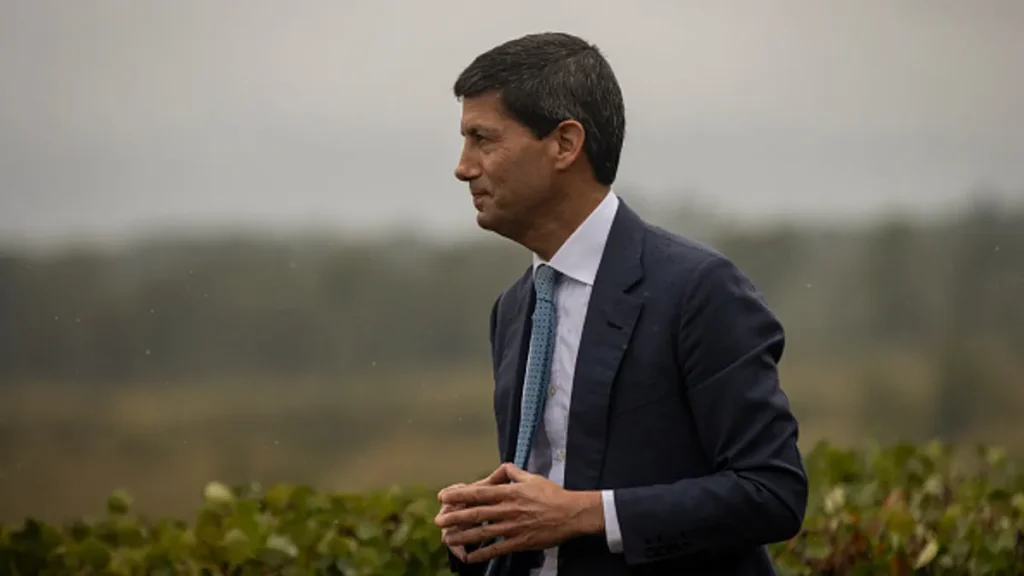
WASHINGTON — The intersection of monetary policy and high-stakes executive politics has once again taken center stage in Washington. As the Federal Reserve navigates a complex economic landscape defined by persistent price pressures and shifting labor market dynamics, the central bank’s recent monetary tightening measures have drawn the ire of the White House.
Federal Reserve Chairman Kevin Warsh finds himself at the epicenter of a growing storm, managing both the delicate mechanics of inflation control and a relentless barrage of public criticism from President Donald Trump.
The friction between the independent central bank and the executive branch underscores a timeless economic tension: the independence of monetary policymakers versus the growth-oriented demands of elected officials. With the Fed maintaining a cautious stance on interest rates to anchor long-term price stability, President Trump has escalated his rhetoric, demanding aggressive rate cuts regardless of underlying inflationary risks and leveraging international trade policy to force the central bank’s hand.
Main Facts
The core of the current standoff revolves around the Federal Reserve’s reluctance to loosen monetary policy in the face of presidential demands. While financial markets and economic analysts parse every word from the central bank for signs of an impending pivot, the Fed—under the leadership of Chairman Kevin Warsh—has emphasized a data-dependent approach that prioritizes subduing lingering inflationary pressures over political expediency.
Key developments defining the current economic and political landscape include:
- Monetary Tightening Measures: The Federal Reserve has maintained a firm stance on interest rates, resisting calls for premature easing to ensure that inflation remains sustainably on path toward its long-term target.
- Executive Branch Opposition: President Trump has openly criticized the central bank’s current trajectory, arguing that elevated borrowing costs disadvantage American businesses and hinder broader economic expansion.
- Unprecedented Pressure: In a departure from traditional norms respecting central bank independence, the administration has tied monetary policy demands directly to international trade threats, creating a volatile backdrop for corporate finance and global markets.
- Leadership in Focus: Federal Reserve Chairman Kevin Warsh, who addressed the financial community at the Jackson Hole Economic Symposium in late August 2026, continues to face intense scrutiny from both market participants and political leaders regarding the future path of U.S. interest rates.
Chronology of Events
The escalation between the White House and the Eccles Building did not happen overnight. It is the product of a months-long buildup characterized by shifting macroeconomic indicators and increasingly aggressive political commentary.
Spring to Mid-Summer 2026: Navigating Price Pressures
As the U.S. economy moved through the middle quarters of 2026, CFOs and corporate treasurers grappled with a higher-for-longer interest rate environment. Despite earlier hopes for a swift cycle of monetary easing, sticky inflation metrics forced the Federal Open Market Committee (FOMC) to proceed with extreme caution. During this period, private sector forecasts fluctuated as businesses attempted to model capital expenditures against stubborn borrowing costs.
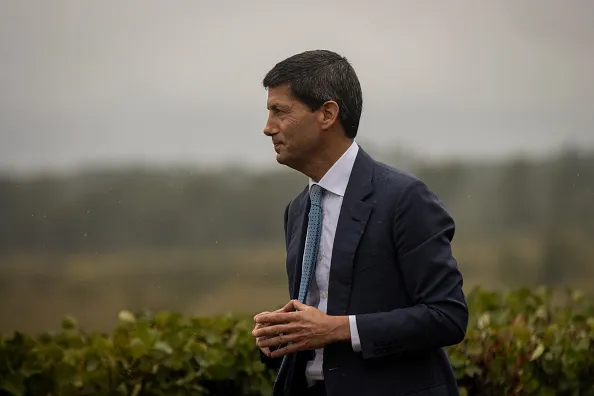
August 28, 2026: The Jackson Hole Symposium
Addressing economists, central bankers, and financial journalists at the annual Jackson Hole Economic Symposium in Wyoming, Federal Reserve Chairman Kevin Warsh outlined the central bank’s commitment to maintaining price stability. While his remarks aimed to reassure markets of the Fed’s steady hand, they also signaled to the administration that rapid rate cuts were not guaranteed, setting the stage for an impending clash.
September 4, 2026: The Truth Social Escalation
The tension boiled over into open public confrontation on September 4, 2026. Taking to Truth Social, President Trump issued a blistering critique of current monetary policy. In a post that sent ripples through financial markets, the President wrote:
"LOWER THE RATE OR I’LL STOP TRADING WITH COUNTRIES WITH WHICH WE HAVE A DEFICIT."
The statement marked a dramatic escalation, intertwining macroeconomic policy with aggressive protectionist threats. In the same communication, Trump called on Fed policymakers to "BE PATRIOTS for a change," asserting that "high interest rates put the U.S.A. at a very unfair disadvantage, and I won’t allow that to happen!"
Mid-September 2026: Current Standpoint
As the calendar turned toward the middle of September, the standoff deepened. Corporate financial leaders, investors, and international trade partners are watching closely to see whether the central bank will withstand the political pressure or alter its policy path ahead of upcoming FOMC meetings.
Supporting Data and Market Context
To understand the weight of the current conflict, one must examine the broader economic data driving Federal Reserve decision-making, as well as the realities faced by corporate financial officers across the nation.
The Corporate Borrowing Landscape
For Chief Financial Officers, the prolonged period of monetary tightening has fundamentally transformed capital allocation strategies.

- Cost of Capital: Corporate debt issuance costs remain significantly elevated compared to the ultra-low interest rate era of the late 2010s and early pandemic recovery. Companies with upcoming debt maturities are finding themselves forced to refinance at substantially higher coupon rates.
- M&A and Expansion: Mergers, acquisitions, and large-scale capital investments have faced friction. Private equity firms and corporate development teams report that higher hurdle rates are dampening deal flow, as projected cash flows must work harder to justify financing expenses.
- Working Capital Management: Corporate treasurers have pivoted sharply toward optimizing internal cash flow, tightening credit terms, and prioritizing liquidity over aggressive expansion to buffer against macroeconomic volatility.
Macroeconomic Indicators
The Federal Reserve’s cautious stance is rooted in a complex matrix of data points:
- Labor Market Resilience: Employment reports have continued to show moderate resilience, preventing the central bank from cutting rates quickly to stave off a severe downturn.
- Core Inflation Persistence: While headline inflation has receded from its multi-decade peaks, core service sectors and shelter costs have proven sticky, justifying the Fed’s insistence on maintaining restrictive financial conditions.
- Global Trade Dynamics: The administration’s protectionist trade stances and threats of halting commerce with deficit nations introduce an additional layer of inflationary risk, complicating the models used by monetary policymakers.
Official Responses and Stakeholder Reactions
The public battle between the executive branch and the nation’s central bank has generated widespread commentary from economists, lawmakers, and business leaders.
The White House Position
The administration’s stance is built on the premise that high interest rates are an artificial drag on American competitiveness. By keeping borrowing costs elevated, the White House argues, the Fed is stifling domestic manufacturing, housing construction, and small business growth. The administration contends that lower rates are essential to fuel a booming economy and that modern economic management requires central bankers to align more closely with growth-first national goals. Furthermore, the administration’s willingness to use trade deficits as leverage highlights a cross-functional strategy that merges monetary policy demands with aggressive geopolitical trade tactics.
The Federal Reserve Perspective
While Chairman Warsh and his fellow FOMC members typically refrain from engaging in direct public spats with elected officials, the institutional ethos of the Federal Reserve remains anchored in statutory independence. The central bank’s mandate is explicitly designed to insulate monetary policy from short-term political pressures. Proponents of Fed independence argue that succumbing to political demands for lower interest rates during periods of price instability could unmoor inflation expectations, leading to runaway price increases that would ultimately inflict far greater damage on working-class Americans and corporate balance sheets alike.
Reactions from the Financial Community
For CFOs and financial market participants, the public feud introduces a volatile risk premium into pricing models. Wall Street analysts point out that eroding central bank independence historically leads to currency depreciation, higher long-term bond yields, and heightened market uncertainty. Conversely, equity investors sensitive to growth deceleration often sympathize with the desire for cheaper capital.
A senior treasury executive at a Fortune 500 industrial firm, speaking on condition of anonymity, noted: "As financial operators, we need predictability. When you have the executive branch threatening trade disruptions over monetary policy, it creates a deeply complex environment for supply chain and financial planning. We have to model scenarios that include both macroeconomic shifts and sudden political interventions."
Implications for the Future of U.S. Monetary Policy and Markets
As this developing story continues to unfold, the long-term implications for the United States financial system are profound.

1. The Precedent of Central Bank Independence
The ongoing friction tests the boundaries of institutional norms that have governed the U.S. economy for decades. If political pressure successfully sways monetary policy decisions, it could permanently alter how global investors view the credibility of the U.S. dollar, Treasury securities, and American financial institutions.
2. Corporate Strategy and Risk Management
For the corporate sector, uncertainty regarding interest rates and trade flows means that agility will remain the primary competitive advantage. CFOs must maintain robust liquidity buffers and stress-test their balance sheets against potential trade shocks and sustained higher borrowing costs.
3. Upcoming Policy Decisions
All eyes now turn to the upcoming Federal Reserve policy meetings. Whether Chairman Warsh and the FOMC will hold their ground in the face of escalating presidential pressure—and how the White House might operationalize its trade threats—will shape the economic trajectory of the nation as it navigates the remainder of 2026 and looks toward the future.
This is a developing story. Please visit CFO Dive for ongoing updates, expert analyses, and real-time coverage of financial markets and macroeconomic policy.