The New-Build Gold Rush: Why Institutional Builders Are Creating Unprecedented Opportunities for Passive Investors
For the modern real estate investor, the traditional “BRRRR” method (Buy, Rehab, Rent, Refinance, Repeat) has long been the gold standard for building wealth. However, it is an exhaustive, time-intensive pursuit that requires a specific temperament—one comfortable with leaking roofs, contractor disputes, and the high-stress volatility of the renovation market.
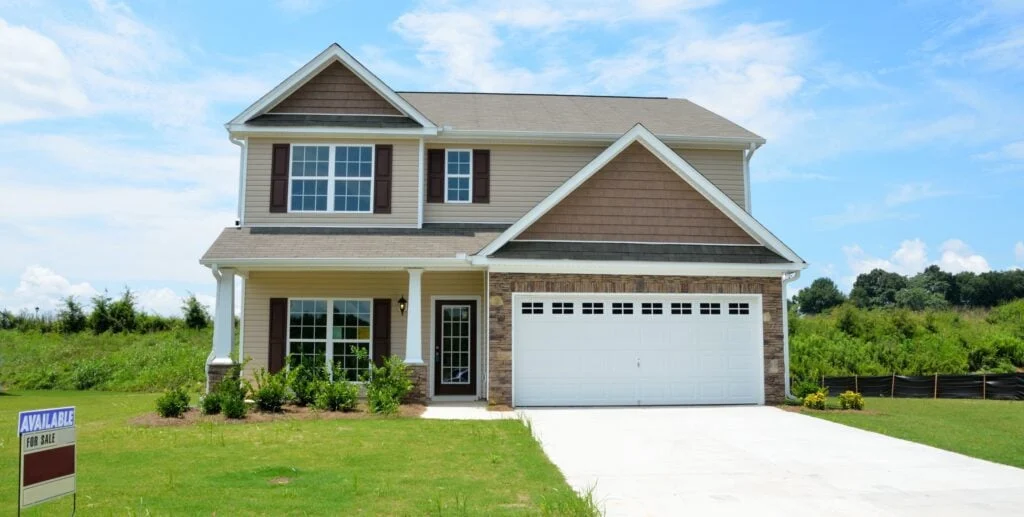
For those seeking a more streamlined, truly passive approach to real estate, a new strategy is gaining traction: leveraging the current inventory glut in the new-construction sector. As major homebuilders struggle to move units in a high-interest-rate environment, they are offering price cuts and incentives not seen in nearly a decade. For the savvy investor, this shift represents a rare window to acquire high-quality, low-maintenance assets at a significant discount.
The State of the Market: Main Facts
The residential construction landscape is currently undergoing a structural pivot. After years of record-breaking appreciation, the market has cooled as affordability concerns weigh heavily on the average American buyer.
Major homebuilders—most notably industry giants like Lennar—are finding themselves with significant standing inventory. In a bid to maintain quarterly performance and free up capital, these companies have aggressively adjusted their pricing models. According to recent financial disclosures, Lennar reported an average sales price dip to approximately $371,000, a level of affordability that hasn’t been seen in nearly ten years.
This is not a market crash, but rather a strategic correction. Builders are trading premium margins for volume, and in doing so, they are creating a "buyer’s market" for investors who have the liquidity to step in where traditional homebuyers have been priced out.
A Chronological Shift: How We Got Here
To understand the current opportunity, one must look at the timeline of the post-2020 housing frenzy.
- 2021–2022 (The Peak): Low interest rates and a desperate supply shortage pushed home prices to all-time highs. Builders struggled to keep up with demand, and virtually anything that was framed sold before completion.
- 2023 (The Shift): As the Federal Reserve began its campaign of interest rate hikes, mortgage rates surged, effectively curbing the purchasing power of the average family.
- 2024 (The Adjustment): Builders began to pivot from a "take it or leave it" pricing stance to a more competitive model. They started offering concessions to maintain momentum.
- 2025–2026 (The Investor Window): We are now in a phase where institutional builders are actively seeking investors to clear out master-planned communities. This has resulted in the rise of "Investor Marketplaces," where builders provide turnkey packages, including rent-ready homes, warranty coverage, and, most importantly, financial incentives like rate buydowns.
Supporting Data: The Mechanics of the Deal
The current data from the National Association of Home Builders (NAHB) provides a clear picture of why this is a viable investment vehicle. In June 2026, approximately 35% of builders were cutting prices by 5% to 6%, while an even larger cohort—roughly 61%—were offering creative financial concessions.
These concessions are the "secret sauce" for the modern investor. When a builder offers to buy down your mortgage rate, they are effectively lowering your debt-service burden, which acts as an immediate force multiplier on your cash flow.
Furthermore, the shift toward density is undeniable. The NAHB reports that townhouse construction has climbed to a multi-decade high, accounting for over 18% of single-family starts. These properties are ideal for investors because they are situated in master-planned communities (MPCs) that offer amenities—trails, pools, and modern infrastructure—that attract high-quality, stable tenants who prefer professional management over the "mom-and-pop" landlord experience.
Official Responses and Strategic Perspectives
Industry leaders acknowledge the cooling, yet they remain fundamentally bullish on the long-term demand for housing. Stuart Miller, co-CEO of Lennar, noted during a recent earnings call that demand remains robust because the demographic reality of millennials entering their prime home-buying years hasn’t changed.
"People want and need homes," Miller stated. "I don’t want to overstate the negative, as the market is definitely not crashing, but it continues to cool."
This cooling provides a strategic advantage. When a builder is under pressure to close out a phase of a development, they are often willing to offer "bulk" incentives that are not available to the general public. This includes paying for closing costs, providing upgrades like appliances or landscaping at no cost, and offering the aforementioned rate buydowns that can significantly improve the net operating income (NOI) of the property.
Implications for the Investor: Maximizing Cash Flow
If you are looking for the best geography for these plays, the Sun Belt—specifically Texas—remains the epicenter of opportunity. Markets like San Antonio, Houston, and Dallas offer a rare convergence of high population growth and manageable entry prices.
In San Antonio, for instance, gross rental yields have been tracked between 7% and 9%. A $320,000 property in the Houston area, renting for $2,200, creates a performance profile that easily outpaces coastal markets where the price-to-rent ratio is often prohibitive for cash-flow-focused investors.
The Math of the Modern Buy
Consider a $315,000 townhouse in a master-planned community. With 20% down ($63,000), an investor takes out a loan for $252,000. At a standard market rate of 6.5%, the principal and interest (P&I) payment would be steep. However, if the builder utilizes a 1% rate buydown (bringing the rate to 5.5%), the monthly savings on debt service can amount to hundreds of dollars. When you add the lower maintenance costs associated with a brand-new, under-warranty build, the "cash-on-cash" return becomes significantly more attractive than fixing up an aging property.
Beyond the Traditional Lease: Increasing Yields
The most sophisticated investors are not just buying and hoping for appreciation; they are optimizing for the highest and best use of the asset.
- Professional Tenant Sourcing: New construction holds a "cachet" that allows for premium rents. By targeting relocating professionals—those coming to cities for major hospital networks, military bases, or tech sectors—investors can command higher rents and enjoy lower vacancy rates.
- Specialized Housing Models: If your risk tolerance allows for more operational involvement, consider models like assisted living or corporate housing. These niches can, in some jurisdictions, provide significantly higher revenue than a standard 12-month residential lease.
- The "House Hack" Hybrid: For those starting their investment journey, buying a new-build home as a primary residence with the intent of renting out rooms or converting to a rental in a few years is one of the safest ways to enter the market. You get the lower interest rate of an owner-occupied loan while setting the stage for future passive income.
Final Thoughts: Fortune Favors the Bold
The current state of the new-construction market is a direct result of the "affordability gap." Builders are not in the business of holding inventory; they are in the business of capital velocity. This creates a powerful leverage point for the investor.
When you approach a builder, remember that their primary goal is to close the deal and move on to the next phase. Don’t be afraid to ask for the "outlandish." Request the rate buydown, ask for the appliance package to be included, or negotiate the closing costs. In this environment, the builder needs you as much as you need the asset.
The era of passive, high-yield, new-construction investing is here, but it won’t last forever. As interest rates eventually stabilize and inventory is absorbed, these massive incentives will vanish. The investors who are acting now—securing modern, efficient, and low-maintenance properties—are setting themselves up for a decade of stable, scalable, and truly passive wealth. It is time to stop searching for the next "fixer-upper" and start looking at the inventory that the builders are desperate to move. Be bold, be analytical, and above all, be the one who takes advantage of the market when others are waiting for the "perfect" time.