The Nuclear Renaissance: Why Global Capital is Flocking to the Uranium Sector

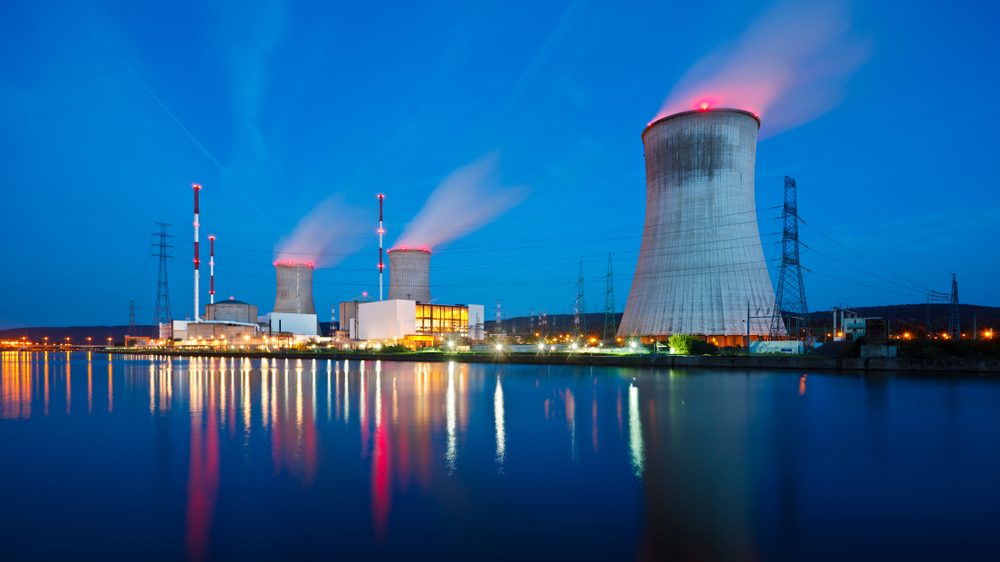
The global energy landscape is undergoing its most significant transformation since the Industrial Revolution. As nations grapple with the dual mandates of aggressive net-zero carbon targets and the unrelenting electricity requirements of the burgeoning artificial intelligence (AI) economy, the hierarchy of energy sources is being rewritten. At the center of this paradigm shift is nuclear energy, which has evolved from a controversial legacy power source to the indispensable bedrock of modern grid stability.
This systemic pivot has catalyzed a profound financial rerating of the entire uranium asset class. Investors, ranging from institutional giants to retail market participants, are increasingly viewing uranium not merely as a commodity, but as a critical strategic asset required to power the digital and decarbonized future.
Main Facts: The Convergence of Macro Trends
The current resurgence of nuclear power is driven by a unique "perfect storm" of supply-side constraints and demand-side surges.
The AI Energy Hunger
The rapid proliferation of data centers—the physical infrastructure supporting generative AI—has created a massive, unforeseen load on global power grids. Unlike wind or solar, which are intermittent, AI data centers require "baseload" power: electricity that is available 24/7, 365 days a year, without interruption. Nuclear energy is the only carbon-free source capable of providing this level of consistent, high-density power.
Energy Security and Decarbonization
Geopolitical instability has forced nations to reconsider their energy independence. Countries that previously relied on imported fossil fuels are now viewing domestic or allied-supplied nuclear power as a vital security buffer. Simultaneously, as governments struggle to meet Paris Agreement commitments, nuclear energy remains the most efficient, scalable solution to replace coal-fired baseload generation.
Chronology: The Rebirth of an Industry
To understand the current momentum, one must look at the timeline of the nuclear sector’s recent trajectory:
- 2011–2020: The Post-Fukushima Stagnation: Following the Fukushima Daiichi accident, the global uranium sector entered a decade of stagnation. Prices languished, investment dried up, and many mines were placed on care and maintenance as public sentiment turned against nuclear power.
- 2021–2022: The Awakening: As the world emerged from the pandemic, the reality of climate change and the need for energy security pushed nuclear power back onto the agenda. Governments began extending the life of existing plants and announcing new modular reactor (SMR) development projects.
- 2023: The Supply Crunch Becomes Visible: With demand rising and a decade of underinvestment in mining exploration, the structural deficit in uranium supply became undeniable. Pricing began to reflect the reality that new mines take years, or even decades, to bring to full production.
- 2024–Present: The Institutional Shift: Major financial institutions and sovereign wealth funds have begun allocating capital to the uranium space, recognizing it as a "long-duration" cycle that is still in its early innings.
Supporting Data: Why the Fundamentals are Durable
The investment thesis for uranium is anchored in a supply-demand imbalance that is arguably one of the most compelling in the commodities sector.
1. The Supply-Demand Gap
While the demand for nuclear power is rising globally—with major nations like China, India, and even Japan and the U.S. accelerating nuclear development—supply is notoriously rigid. Uranium production is geographically concentrated, and the time required to permit and develop a greenfield uranium mine is significant. This leads to a persistent, long-term deficit where demand is projected to outstrip production capacity for the foreseeable future.
2. Valuations and Capital Inflows
As noted by John Ciampaglia, CEO of Sprott Asset Management, the market has begun to correct for years of undervaluation. "There’s been a real lift. And valuations of these companies have increased to reflect that," Ciampaglia noted. This shift is evidenced by the massive capital inflows into both physical uranium products and uranium mining ETFs, such as the Sprott Uranium Miners ETF (URNM).
3. The URNM Mechanism
URNM provides investors with a vehicle to capture this thematic growth. By tracking the VettaFi Global Uranium Mining Index, the fund offers exposure to companies that dedicate at least 50% of their operations to uranium mining, exploration, and development, or to holding physical uranium. This "pure-play" approach allows investors to benefit from both the equity performance of miners and the underlying appreciation of the commodity itself.
Official Responses: Insights from Industry Leadership
In discussions regarding the future of the energy transition, industry leaders emphasize that the current surge is not a speculative bubble, but a structural shift in global electricity production.
"I think everyone is connecting the dots around how nuclear energy is going to receive a larger share of the overall electricity pie in the coming years," said John Ciampaglia during an appearance on Metals In Motion. "As countries look to diversify and add more load growth to their systems, investors see this opportunity and see increases in production and in commodity pricing."
Ciampaglia further argues that the current cycle is characterized by its durability. "A lot of capital is coming in because investors see that the fundamentals are durable. And they are expected to play out for many years. This is a theme that we think is still in the early innings. And it is a very long-duration cycle."
Implications: The Long-Term Outlook for Investors
The implications for the energy and investment sectors are profound.
For the Global Grid
The integration of nuclear energy into the modern grid implies a move away from the volatility of fossil fuel markets and toward a more stable, predictable energy infrastructure. As AI continues to scale, the data center industry is likely to become one of the largest private-sector buyers of nuclear power, potentially leading to private-sector funded reactor development.
For the Investment Landscape
Investors are being forced to rethink their exposure to "critical minerals." Uranium is increasingly categorized alongside copper, lithium, and rare earths as a strategic requirement for the 21st-century economy. The use of ETFs like URNM allows for a diversified way to gain exposure to this complex market, mitigating the individual risks of picking single-stock mining companies while still capturing the upside of the sector’s growth.
Risk Considerations
Despite the bullish outlook, the nuclear sector is not without risks. Investors should consider:
- Price Volatility: As with any commodity-linked asset, uranium prices can be highly sensitive to geopolitical news and shifts in government policy.
- Regulatory Hurdles: The nuclear industry is heavily regulated. Changes in safety standards or environmental regulations can impact the timeline and profitability of mining operations.
- Market Concentration: A significant portion of the world’s uranium supply is concentrated in specific geopolitical regions, which may be subject to supply chain disruptions.
Conclusion: A New Era of Energy Security
The global energy transition is no longer a theoretical exercise; it is an economic reality. As we build the infrastructure for a carbon-neutral, AI-powered future, the necessity of nuclear energy has become clear. For investors, the challenge lies in positioning themselves to benefit from a cycle that is deep, systemic, and likely to persist for decades.
By bridging the gap between critical physical commodities and the essential energy infrastructure of the future, the uranium sector represents one of the most important investment themes of our time. As the market continues to "connect the dots," the movement of capital into this sector is expected to accelerate, cementing the role of uranium as the cornerstone of global energy security.
For those seeking to navigate this evolving landscape, staying informed through specialized content hubs, such as the Gold/Silver/Critical Minerals Content Hub, remains essential for tracking the shifting dynamics of global commodity markets.
Disclosures
An investor should consider the investment objectives, risks, charges, and expenses carefully before investing. To obtain a Prospectus, which contains this and other information, contact your financial professional or call 888.622.1813. Read the Prospectus carefully before investing. Past performance is no guarantee of future results. One cannot invest directly in an index. Funds that emphasize investments in small/mid-cap companies will generally experience greater price volatility. Diversification does not eliminate the risk of investment losses. Sprott Asset Management USA, Inc. is the Investment Adviser to the ETFs. ALPS Distributors, Inc. is the Distributor for the ETFs and is a registered broker-dealer and FINRA Member. ALPS Distributors, Inc. is not affiliated with Sprott Asset Management USA, Inc. or VettaFi.