The Algorithmic Bedtime Story: Is Meta’s ‘StoryKit’ the End of Parental Imagination?
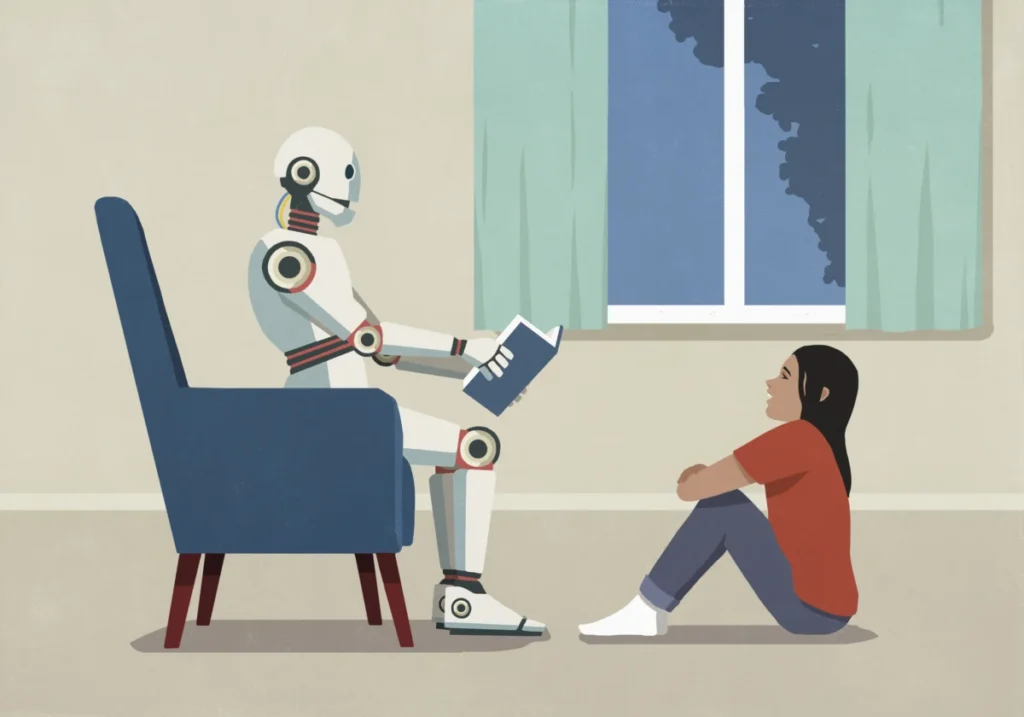
In an era where artificial intelligence is rapidly encroaching on the last bastions of human creative expression—from fine art and symphonic composition to scriptwriting and poetry—Meta has turned its gaze toward the nursery. The tech giant is currently piloting a new mobile application dubbed StoryKit, a platform designed to automate the creation of personalized children’s stories. With a simple interface that promises parents, “You don’t need to write a single word,” Meta is attempting to streamline the bedtime routine through generative AI. However, this convenience raises profound questions about the value of human connection, the nature of creativity, and the long-term impact of outsourcing our most intimate familial rituals to large language models.
The Genesis of StoryKit: A New Product in the Pipeline
The existence of StoryKit first came to light through reports from 9-to-5 Mac, which identified the app’s silent emergence on the Apple App Store. Designed to be a "creative storytelling" tool, the app functions as a bespoke fable generator. By utilizing a series of user-defined parameters, the software constructs narratives complete with customized characters, immersive settings, moral lessons, and ambient musical accompaniment.
Meta has confirmed to TechCrunch that the app is currently in a pilot phase, available only in select international markets. A spokesperson for the company described the app as a creative sandbox, emphasizing that it incorporates robust AI safety filters, lacks social networking features, and is strictly gated for users aged 18 and older. This age restriction suggests that Meta is positioning the app as a "parent-facing" utility—a tool for adults to synthesize content for their children rather than a platform for children to interact with AI directly.
How It Works: The Mechanics of Automated Whimsy
The user experience of StoryKit is built around a "no-friction" philosophy. According to its App Store description, the process is deceptively simple:
- Character Conception: Users can “snap” a photograph of a child’s favorite toy, a pet, or a family member. The AI then processes this visual data to integrate the subject into the story, effectively turning a real-world object into a digital protagonist.
- World-Building: Users describe the setting—be it a deep-sea kingdom or a distant nebula—and define the thematic core of the story.
- Moral Weaving: The app allows parents to select specific values—such as empathy, courage, or honesty—which the AI then embeds into the narrative arc. The goal, according to the marketing copy, is to impart life lessons “without it feeling like a lecture.”
By design, the app minimizes the cognitive load on the parent, transforming the traditionally collaborative, messy, and often improvisational process of storytelling into a streamlined, high-tech transaction.
The Chronology of Meta’s AI Pivot
Meta’s foray into AI-generated media has been aggressive and, at times, controversial. The development of StoryKit follows a series of high-profile, often polarized product launches. Earlier in 2026, the company faced significant backlash regarding AI-driven deepfake features on Instagram, which raised alarms about misinformation and the ethical implications of realistic digital manipulation. Similarly, the company’s push into hardware, such as their "smart glasses"—often derided by critics as "pervert glasses" due to privacy concerns—has highlighted a consistent tension between Meta’s technological ambitions and public trust.
StoryKit represents a strategic shift toward "utility-based" AI. By moving away from the social-media-heavy focus of its flagship platforms and toward creative tools, Meta is attempting to integrate itself into the most private moments of a user’s life. This trajectory aligns with the company’s previous attempts to define the "future of work" through virtual reality meetings—a venture that largely failed to gain traction, signaling that while Meta is committed to building the future, the public is not always eager to live in it.
The Stakes of Outsourcing Imagination
The core of the controversy surrounding StoryKit is not necessarily the quality of the stories it produces, but the act of outsourcing the process itself. For as long as humanity has existed, storytelling has been an oral tradition—a communal act that bridges the gap between generations. Whether it is a retelling of ancient mythology or a clumsy, improvised tale about a space-faring turtle, the value lies in the exchange.

When a parent improvises a story, they are engaging in a complex neurological and emotional process. They are reading the room, responding to their child’s subtle cues, adjusting the plot to suit the child’s mood, and infusing the narrative with shared family context. A large language model, by definition, lacks this context. It operates on statistical probability, calculating the most "statistically likely" next sentence based on a massive training dataset. While it may produce a grammatically correct and coherent story, it lacks the "human spark"—the deliberate quirkiness, the inside jokes, and the emotional resonance that define the bond between a parent and child.
Implications: A Future Without "Human-Made" Stories?
As AI becomes more sophisticated, we face a genuine risk of "creative atrophy." If we rely on algorithms to handle our storytelling, our artistic expression, and our interpersonal communication, we may eventually lose the muscle memory required to perform these tasks ourselves.
The concern is that children, raised on a diet of algorithmically generated tales, may begin to view stories as commodities rather than as acts of creation. If the "moral of the story" is always a pre-packaged lesson delivered by a machine, do we lose the nuance and the ambiguity that make real-world lessons so impactful?
Furthermore, there is the question of the "black box" of AI. When we feed our personal photos and values into a corporate-owned model, we are essentially training that model on our intimate family life. While Meta has promised safety filters and data privacy, the long-term implications of allowing a massive corporation to curate our children’s bedtime stories are, at best, uncomfortable.
The "Human-in-the-Loop" Alternative
Critics of the app argue that the "exhaustion" parents feel at the end of a long day is a valid reason to seek shortcuts, but that the shortcut itself might be the wrong choice. The improvisational nature of a "bad" story told by a parent is arguably more beneficial for a child’s cognitive and emotional development than a "perfect" story told by a computer. The process of making things up is a fundamental human trait—a way of navigating the world, processing fears, and exploring aspirations.
Meta’s vision of the future is one of seamless efficiency. In this vision, we are never bored, we are never at a loss for words, and we are never without a perfectly optimized entertainment solution. However, there is a profound, albeit messy, beauty in the limitations of human storytelling. The stammering, the forgotten plot points, and the parent’s own unique worldview are what give stories their texture.
Conclusion: Reclaiming the Narrative
StoryKit is, in many ways, a microcosm of the current debate surrounding artificial intelligence. It is a product that solves a real problem—parental burnout—but it does so by replacing a human experience with a technological substitute.
As we look toward the future, we have a choice. We can lean into the convenience of the algorithm, letting it handle the heavy lifting of our daily lives, or we can recognize that some tasks are better left to the imperfect, creative, and tired humans we are. Meta may offer us a world where we never have to struggle for a story again, but in that ease, we might find that we have lost something irreplaceable. The moral of this story is simple: technology can provide the tools, but it cannot provide the heart. Whether or not we choose to use StoryKit is up to us, but it is worth asking if the "perfect" story is worth the cost of losing our own voice.