The Architecture of Memory: Why Vietnamese Diaspora Art is Essential to American Democracy
Public art is rarely neutral. It serves as a visual ledger, signaling what a democracy chooses to prioritize, who it celebrates, and, perhaps more significantly, who it chooses to overlook. In the sprawling urban landscapes of the United States, the footprint of Vietnamese American life is ubiquitous—found in the aroma of pho in bustling markets, the steady hum of nail salons, the quiet dignity of community temples, and the vibrant banners lining neighborhood business corridors.
Yet, for all this cultural vibrancy, there remains a profound void in the physical record. While war memorials and statues of military figures dominate our public squares, the nuanced, intergenerational stories of Vietnamese refugees—stories of displacement, survival, and the quiet heroism of rebuilding—remain largely absent from the official civic narrative. As the United States approaches the 50th anniversary of the end of the Vietnam War, a movement is growing to correct this imbalance, transforming public spaces into sites of honest reflection and democratic inclusion.
The Invisible Ledger: Why Public Memory Matters
The absence of refugee narratives in public spaces is not merely an aesthetic issue; it is a civic one. In many Northeastern states, the history of the Southeast Asian diaspora is relegated to private memory—living rooms and community centers—rather than being etched into the public square.
The Vietnam War is one of the most heavily memorialized conflicts in American history. Maya Lin’s Vietnam Veterans Memorial in Washington, D.C., stands as a masterwork of grief and remembrance. However, even this landmark was born of deep controversy, illustrating the national struggle to define how we hold loss, responsibility, and service. When our public memory of the war concludes solely with American military service, the story is left dangerously unfinished.
The war did not merely happen on a battlefield; it rippled through the lives of millions, creating a legacy of mass displacement, the trauma of reeducation camps, the perilous sea journeys of the "boat people," and the profound, multigenerational task of reconstructing a life in a foreign land. By failing to memorialize these experiences, the public sphere denies the wider American consciousness a complete picture of the war’s true human cost and the resilience of those who rebuilt from its ashes.
A Chronology of Resilience: From 1975 to the Present
The journey toward a permanent public memorial is a long-term civic endeavor. To understand the current momentum, one must look at the timeline of the diaspora itself:
- 1975: The fall of Saigon triggers a massive exodus. Approximately 125,000 Vietnamese are evacuated, marking the beginning of a new chapter of diaspora life.
- The 1980s–1990s: Successive waves of refugees, including those fleeing political persecution and reeducation camps, settle in urban hubs like Boston, San Jose, and Northern Virginia. This period is defined by survival and the creation of "Little Saigons."
- 2021: Boston’s Fields Corner in Dorchester is officially designated the "Boston Little Saigon Cultural District," providing a formal foundation for cultural advocacy.
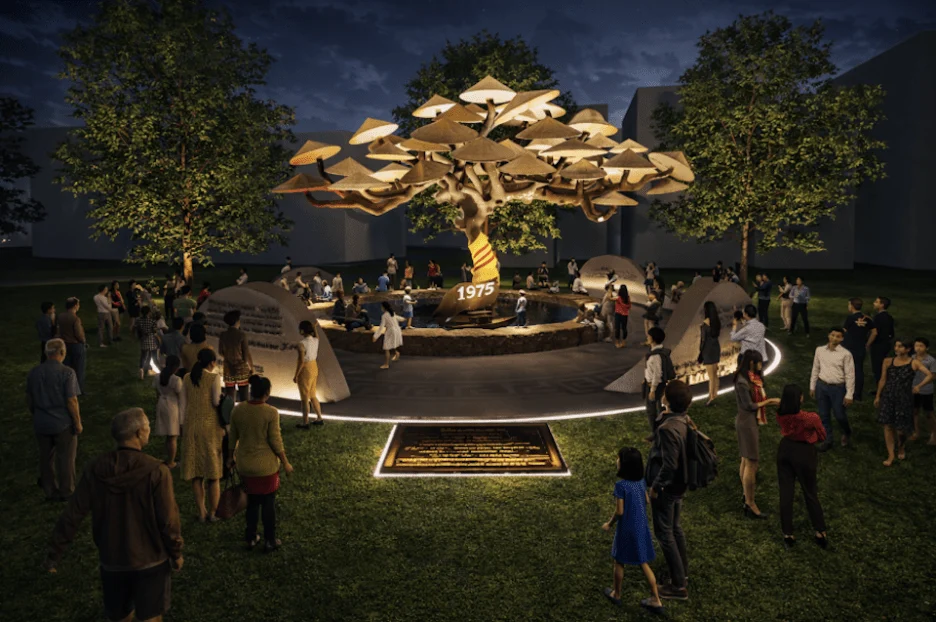
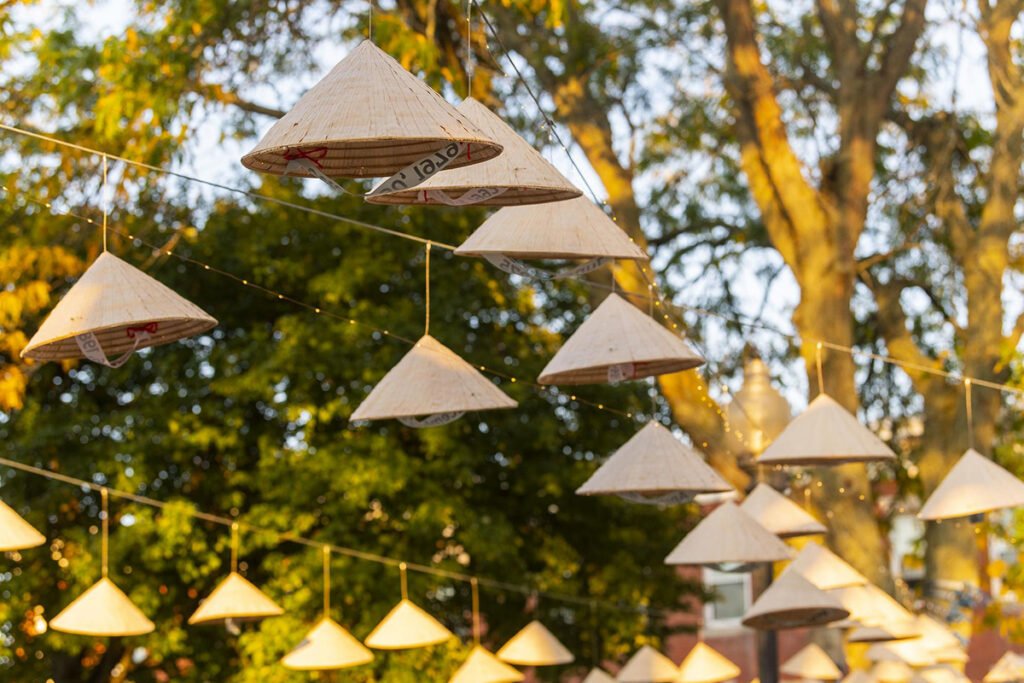
- 2025: The "Journey of Light: A 1975 Memory Field" installation in Town Field Park serves as a critical, temporary pilot project for a permanent memorial.
- The Present: A concerted effort is underway to secure permanent land, funding, and municipal support to solidify these histories in the built environment.
The Boston Initiative: 1975: A Vietnamese Diaspora Memorial
At the center of this movement is Ngoc-Tran Vu, a 1.5-generation Vietnamese American artist and cultural organizer. Her family arrived in Boston in 1992 through the U.S. Humanitarian Operation Program, which resettled former South Vietnamese military personnel who had survived years of detention.
As the project director of 1975: A Vietnamese Diaspora Memorial, Vu is leading an effort to mark the 50th anniversary of the war’s end without centering militaristic tropes. "The project began not as a traditional commission, but as an intentional grassroots effort," Vu explains. The goal is to shift the focus from the war itself to the legacy of the people.
The 2025 temporary installation, Journey of Light, utilized illuminated nón lá (traditional conical hats), lanterns, and bilingual storytelling to honor the survivors of reeducation camps, separated families, and the elders who bridge the gap between two worlds. By placing these symbols in a public park, the project invited the wider public to witness a history that is often hidden in plain sight.
Supporting Data: A Growing Civic Force
The push for memorialization is backed by a significant demographic shift that demands recognition.
- Population Growth: Today, approximately 2.2 million people in the United States identify as Vietnamese.
- Civic Engagement: Over 1.3 million Vietnamese American adults are currently eligible to vote, representing a growing political bloc that is increasingly asserting its right to shape the cultural geography of their cities.
- Economic Impact: The designation of cultural districts, such as Boston’s Little Saigon, highlights the economic and social vitality of these communities, providing a compelling argument for why their history deserves permanent civic recognition.
Case Studies: Beyond Boston
The struggle for public memory is not unique to Massachusetts. Across the country, communities are finding creative ways to stake their claim to history:
- Clarendon, Virginia: The Voices from Little Saigon project by Khánh H. Lê used oral histories, miniature architectural sculptures, and paper boats to mark a community that was largely displaced by redevelopment. It serves as a poignant reminder that while we cannot stop the gentrification of neighborhoods, we can refuse to let their stories be erased.
- San Jose, California: The Vietnamese Heritage Garden and the "Home" installation at the Vietnamese American Service Center represent a more integrated approach. These sites combine elements of Vietnamese landscapes—such as terraced rice fields and Hạ Long Bay—with monuments that depict both American and South Vietnamese soldiers, creating a space for gratitude, mourning, and cultural continuity.
- East San Jose: A mural project by the 1Culture Collective on Alum Rock Avenue demonstrates how public art can celebrate migration and cultural beauty, transforming the narrative from one of pure trauma to one of cultural strength and resilience.
Official Responses and Civic Challenges
Securing permanent space for these memorials is a complex process. It requires navigating municipal bureaucracy, securing site approvals, conducting design reviews, and, most importantly, finding the "shared political will."
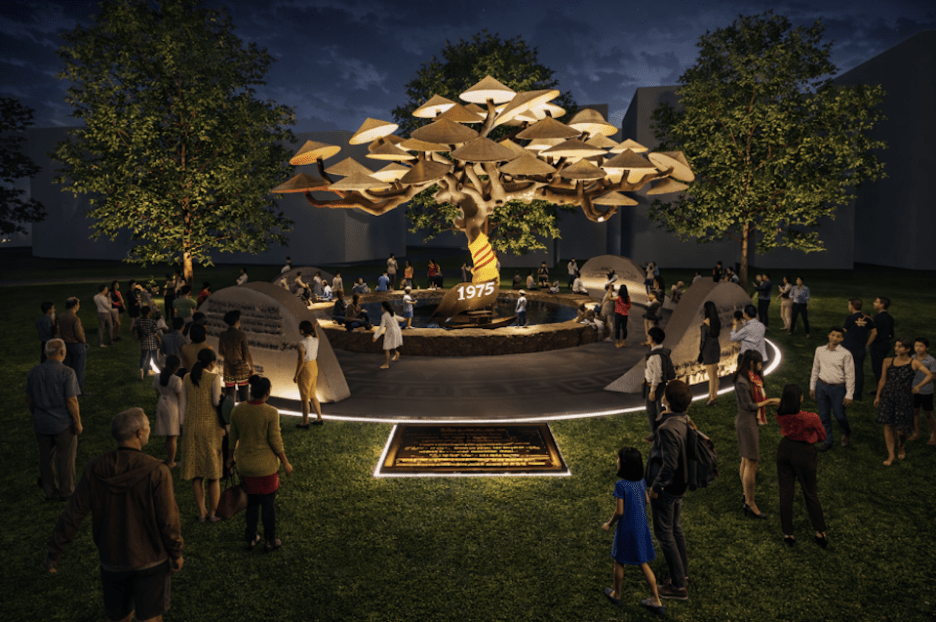
Critics of traditional monuments often point to the high costs of maintenance and the potential for these sites to become static, ignored objects. However, advocates argue that these are not merely "decorations." They are active sites of community engagement. When municipal governments provide resources for these projects, they are effectively acknowledging the contributions of refugee populations to the fabric of American civic life. The challenge lies in moving beyond tokenism to true, long-term inclusion.
Implications for Democracy
What happens when a nation fails to provide visible space for the history of its displaced people? The result is a fragmented public memory. When we do not see the stories of Vietnamese refugees in our parks and squares, the public loses a vital understanding of the consequences of war and the immense effort required to rebuild a life in a new land.
Public art is one of the most effective tools for a democracy to learn to see itself more honestly. By making space for these narratives, cities do more than just honor the past; they create a more inclusive future. They invite newer generations to understand the sacrifices of their predecessors and offer the wider public a window into the lived experience of their neighbors.
A democracy worthy of the name must make room for the communities that have kept their memory alive, even when the institutions around them were silent. As we move toward the mid-2020s, the call for permanent memorials in places like Dorchester is more than an artistic request—it is a demand for a fuller, more truthful American story. When we build these monuments with care, trust, and community leadership, we are not just casting bronze or stone; we are reinforcing the foundations of a society that values the humanity of all its citizens.