The Yen in Freefall: Japan’s Fiscal Crisis as a Global Harbinger
By Desmond Lachman
July 13, 2026
The world’s third-largest economy is currently serving as a cautionary tale for the developed world. Japan, long characterized by its rigid monetary policies and massive public debt, appears to be standing on the precipice of a full-blown currency and bond-market crisis. As the yen hits historic lows and yields on Japanese Government Bonds (JGBs) climb to levels not seen in decades, the international financial community is beginning to realize that Japan’s predicament is not merely a regional anomaly. Rather, it is a flashing red light for other major economies—including the United States, France, Italy, and the United Kingdom—that have followed similarly unsustainable fiscal paths.
The Anatomy of the Crisis: Main Facts
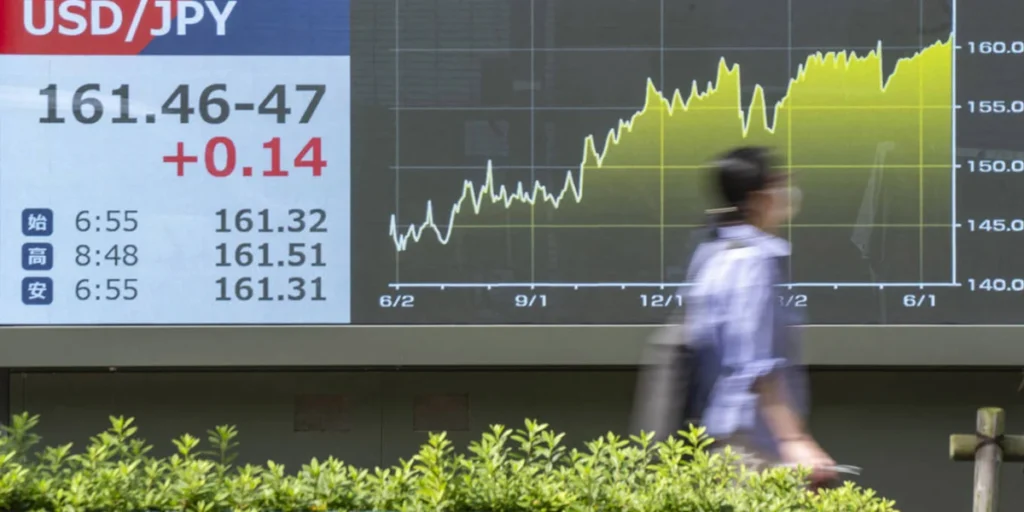
Japan’s current economic volatility is the result of a "perfect storm" of structural stagnation, aggressive monetary expansion, and a sudden shift in global interest rate environments. Despite a desperate intervention by Japanese authorities in May 2026, which saw the Ministry of Finance expend upwards of $70 billion to prop up the currency, the yen has remained in a state of freefall.
The yen has slumped to its lowest level in 40 years, trading at valuations that suggest it is at least 15% undervalued against the U.S. dollar. This depreciation is not merely a reflection of currency trading trends; it is a fundamental loss of confidence in the Japanese monetary framework. Concurrently, the bond market has turned hostile. Following the Bank of Japan’s (BoJ) decision to finally abandon its long-standing yield-curve-control (YCC) policy—a mechanism that artificially suppressed long-term interest rates—JGB yields have surged. As prices for these bonds plummet, the cost of servicing Japan’s massive debt burden, which stands at over 260% of its GDP, has begun to skyrocket, threatening the very solvency of the Japanese state.
A Chronology of the Japanese Meltdown
The current crisis did not emerge overnight; it is the culmination of years of unconventional monetary experimentation.
- 2016–2023: The Bank of Japan maintains an aggressive yield-curve-control policy, pegging the 10-year JGB yield near 0%. This policy, designed to combat deflation, effectively disconnects the Japanese bond market from global interest rate trends.
- Early 2024: As global inflation spikes and the U.S. Federal Reserve raises rates aggressively, the yield differential between the U.S. and Japan widens to historic levels. The yen begins a steady, downward slide.
- March 2026: The BoJ officially signals the end of its ultra-loose monetary policy, fearing that the yen’s depreciation is fueling domestic inflation.
- May 2026: The yen breaks through critical psychological barriers. The Ministry of Finance executes a $70 billion intervention to halt the decline. The market shrugs off the intervention, viewing it as a temporary bandage on a gaping wound.
- June–July 2026: With no clear fiscal consolidation plan from the government, investors begin to dump JGBs, causing yields to spike to multi-decade highs. The "Widowmaker" trade—shorting Japanese bonds—suddenly becomes a profitable reality for hedge funds globally.
Supporting Data: The Numbers Behind the Collapse
The severity of Japan’s crisis can be quantified through three primary metrics that have alarmed central banks globally:
1. The Yield Differential
The widening gap between the U.S. 10-year Treasury yield and the JGB 10-year yield has acted as a vacuum, pulling capital out of Japan. While the BoJ has attempted to normalize rates, the pace of adjustment has been far too slow to entice institutional investors to hold yen-denominated assets.
2. The Debt-to-GDP Ratio
Japan holds the unenviable title of having the highest debt-to-GDP ratio in the developed world. With interest rates rising, the portion of the national budget required just to pay interest on existing debt is growing exponentially. In 2026, analysts estimate that debt-servicing costs could consume nearly 25% of the total tax revenue, leaving little room for social services or defense spending.
3. Currency Volatility
The yen’s 15% undervaluation against the dollar is not just a trade issue; it is an inflationary pressure cooker. Japan is a net importer of energy and food. As the yen weakens, the cost of these essential goods rises, creating a cost-of-living crisis that domestic wage growth has failed to keep pace with.
Official Responses and Institutional Paralysis
The response from the Bank of Japan and the Ministry of Finance has been characterized by hesitation. By attempting to manage both the currency and the bond market simultaneously, the authorities have found themselves in a "policy trilemma."
The Bank of Japan maintains that it must keep rates "accommodative" to support economic growth, but this stance actively undermines the yen. Conversely, the Ministry of Finance is desperate to defend the yen but lacks the foreign exchange reserves to win a sustained battle against market sentiment. International bodies, including the IMF, have issued "urgent recommendations" for fiscal consolidation—code for tax hikes and spending cuts—but the political cost of such measures in Japan remains prohibitive. The current administration appears paralyzed, hoping that global interest rates will fall, thereby relieving the pressure on the yen without requiring painful domestic reforms.
Implications: The Global Contagion Risk
The primary danger of the Japanese crisis is not its impact on Tokyo alone; it is the potential for contagion. Investors are now looking at Japan and asking: If the third-largest economy cannot manage its debt, who can?
The US Fiscal Path
The United States is currently running deficits that, as a percentage of GDP, are beginning to mirror those of nations in fiscal distress. If global bond markets lose their appetite for Japanese debt, they may turn their scrutiny toward U.S. Treasuries, demanding higher risk premiums. This would force the Federal Reserve into the same corner as the Bank of Japan: either accept much higher interest rates, which would tank the U.S. housing and equity markets, or engage in "fiscal dominance," where the central bank prints money to fund government deficits, inevitably triggering runaway inflation.
European Fragility
France and Italy are already under the microscope of the European Central Bank. Italy, in particular, carries a debt burden that is structurally vulnerable to the same yield spikes that are currently crippling Japan. If the Japanese bond market collapses, it will set a pricing precedent for sovereign debt globally. A "flight to quality" might offer temporary relief for the U.S. dollar, but it would likely be a death knell for the Eurozone’s more leveraged members.
The End of the "Easy Money" Era
For the past two decades, the global financial system has been fueled by the perception that sovereign debt is a risk-free asset. The events in Tokyo serve as a blunt reminder that there is no such thing as an infinite lunch. When a nation reaches a level of debt that cannot be serviced through normal economic growth, the market will eventually force a reckoning through currency debasement or bond market liquidation.
Conclusion: A Wake-Up Call
Japan’s current woes are the manifestation of a long-term failure to address structural imbalances. By prioritizing short-term economic comfort over long-term fiscal sustainability, policymakers have left their nation vulnerable to the inevitable reality of market forces.
For other nations, the message is clear: the window to enact meaningful fiscal reform is closing. The United States, the United Kingdom, and the major economies of the European Union must view the current Japanese crisis not as a distant tragedy, but as a mirror. If they continue to rely on debt-fueled spending and monetary expansion as a substitute for productivity, they will eventually find themselves in the same position as the Bank of Japan—trying to defend the indefensible while the global market watches, waits, and prepares to extract its toll.
The "Japanification" of the global economy—characterized by low growth, high debt, and central bank intervention—has reached its logical, and perhaps terminal, conclusion. It is time for global leaders to stop managing the symptoms and start addressing the underlying disease of fiscal irresponsibility. Failure to do so will almost certainly ensure that the crisis currently unfolding in Tokyo is merely the first chapter in a much larger, global financial correction.