The Digital Evolution: How PNC is Redefining Mobile Banking Through AI and User-Centric Design
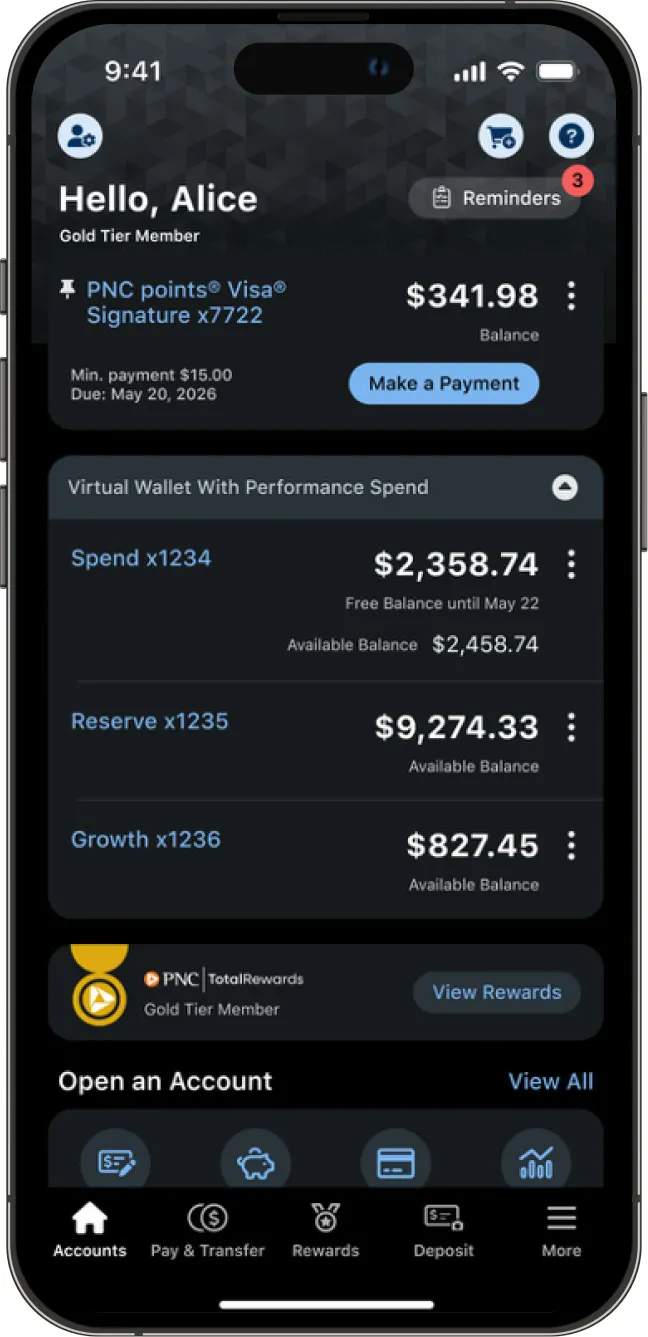
In the modern financial landscape, a bank’s mobile application is no longer a peripheral convenience—it is its most vital storefront. Recognizing this, Pittsburgh-based super-regional lender PNC Financial Services Group has officially unveiled a redesigned mobile banking experience. This strategic pivot aims to solve a common dilemma in digital banking: how to pack sophisticated, feature-rich functionality into an interface that remains intuitive, clean, and entirely personalized for the end user.
As the $603 billion-asset institution rolls out its updated platform, the bank is signaling a departure from legacy limitations. By leveraging agentic artificial intelligence (AI) and a modular, customizable framework, PNC is attempting to transform the mobile app from a transactional tool into a personalized financial companion.
The Core Challenge: Balancing Sophistication with Simplicity
For years, banks have struggled with the "feature creep" phenomenon. As institutions rush to digitize services, apps often become cluttered, multi-layered mazes that frustrate users. For Alex Overstrom, PNC’s head of retail banking, the mandate for the development team was clear: expand capabilities without sacrificing ease of use.
"We wanted to create a really personalized, really customizable app experience with a lot more features and functionality that we knew our customers wanted, but without making it heavy," Overstrom said. "What we wanted to do is keep it relatively simple and light, and allow clients to design the app the way that they want to experience it."
The new app, which began its phased rollout this week, emphasizes a revamped navigation framework. By prioritizing a "less is more" approach, the bank has significantly reduced the number of menu layers required to access core features. "What I’m trying to avoid is seven layers of menus to get to something," Overstrom noted, emphasizing that the goal is to reach key actions within one or two clicks.
A Chronology of the Digital Transformation
PNC’s journey to this moment was not an overnight success but the culmination of a multi-year, systematic overhaul of its digital architecture.
Phase 1: Modernizing the Foundation
In recent years, PNC focused heavily on modernizing the back-end infrastructure that powers its digital services. This effort, completed last year, was a necessary precursor to front-end innovation. Without a modernized back end, the bank could not have supported the agility required for its current release.

Phase 2: The New Online Platform
Following the back-end stabilization, PNC launched a new online banking platform. This served as a testing ground for the faster introduction of new capabilities and established the design language that would eventually migrate to the mobile experience.
Phase 3: The Mobile App Rollout
Beginning in July 2026, the bank initiated a phased launch. Customers who recently transitioned from FirstBank, along with select other market segments, were the first to gain access. The bank expects a full deployment to all retail and small business customers by the end of the summer.
Supporting Data: Why the Stakes are High
The urgency of this project is underscored by strong engagement metrics. In the first quarter, PNC’s mobile active user base surged 8% year-over-year, with approximately 8 million customers currently interacting with the app. With such a massive user base, even minor usability improvements can lead to significant shifts in customer sentiment and retention.
The financial commitment is equally substantial. During the bank’s fourth-quarter earnings call in January, CEO Bill Demchak disclosed that PNC spends approximately $3.5 billion annually on technology. This budget is slated for a 10% increase throughout 2026, with AI-related investments accounting for roughly 20% of that growth. This capital expenditure reflects a broader institutional strategy to solidify digital reliability, which CFO Rob Reilly emphasized is critical for a bank with a national footprint.
The Technological Engine: Agentic AI
Perhaps the most groundbreaking aspect of the new app is not just what the user sees, but how it was built. PNC utilized "agentic" artificial intelligence to streamline the software development and testing workflow.
By constructing approximately 115 autonomous AI agents, the bank was able to manage complex coding and testing processes at a speed impossible for human teams alone. While human developers remained the final authority, reviewing and approving the AI’s output, the use of these agents significantly reduced the "time-to-market" for new features.
"That process required upfront investment, including the time to build an ecosystem of agents to shoulder the work, but the lender can now add features and functions to the app more quickly," Overstrom explained. This represents a significant shift in banking IT operations, moving from manual, human-centric development to a hybrid model where AI serves as the primary engine for continuous integration.
Key Features of the New Experience
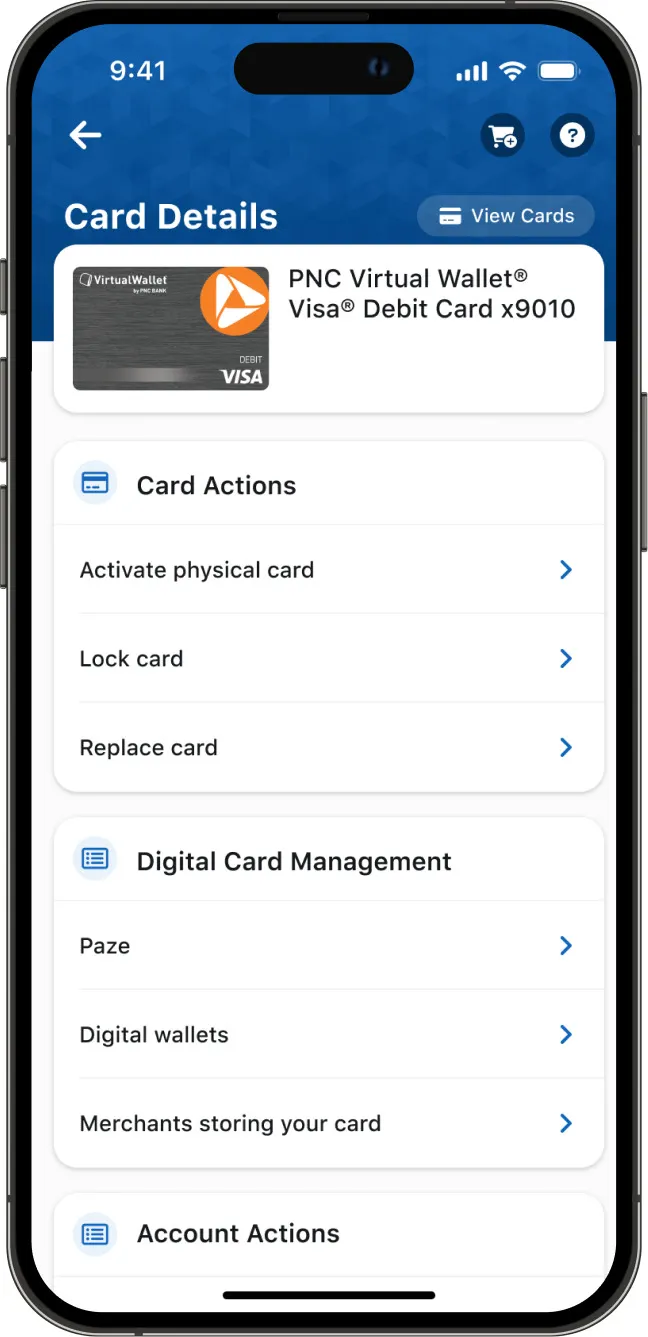
The redesign is not merely aesthetic; it integrates functionality that customers have explicitly requested. Key highlights include:
- Dark Mode: Frequently cited as the most requested feature, this is now fully integrated.
- Customizable Navigation: Users can tailor the app’s dashboard to reflect their personal financial priorities.
- Streamlined Payments: Improved UI/UX for faster, more secure transfers.
- Data-Driven Insights: The app now leverages behavioral data to provide personalized financial guidance.
- Expanded Sales Capabilities: The bank has made it substantially easier to open investment accounts or apply for credit cards directly within the app, which Overstrom characterizes as "our most important branch."
Implications for the Future of Banking
PNC’s strategy reflects a broader industry trend toward "omnichannel autonomy." The goal is to make the app a comprehensive digital branch where a customer can perform virtually any task—from complex loan applications to routine deposits—without needing to speak to a teller or service agent.
Serving the 90/10 Split
A significant design philosophy behind the app is the 90/10 rule. Overstrom and his team are focused on optimizing the experience for the 90% of customers who have standard, day-to-day needs, while ensuring that the 10% who require niche or advanced features can still find them without cluttering the primary interface.
The Looming Arrival of the Digital Assistant
Looking ahead, the bank is preparing to introduce its own proprietary digital assistant later this year. Interestingly, the bank is being deliberate about the branding and "flavor" of this tool. Rather than rushing to copy existing AI chatbot models, PNC is focusing on ensuring that the tool provides genuine options, empowering customers to interact with the bank on their own terms.
Conclusion: A Shift in Mindset
PNC’s new app is a case study in how large, legacy financial institutions can embrace modern, agile development methodologies. By moving away from a "one-size-fits-all" approach and leveraging the power of agentic AI, the bank is positioning itself to be more responsive to the evolving needs of its 8 million mobile users.
"How can we make it more suited to how the client wants to use the app? This is the mindset we’re trying to bring to all of these things, as opposed to trying to force clients into one channel or one experience," Overstrom concluded.
As the industry continues to compete on the quality of digital experiences, PNC’s latest effort serves as a testament to the fact that in the 21st century, a bank is only as strong as its code. By focusing on personalization, speed, and clean design, PNC is aiming to ensure that it remains a central, indispensable part of its customers’ financial lives.