IRS Launches Digital Portal for Kwong-Related Refund Claims Amid Looming Deadline
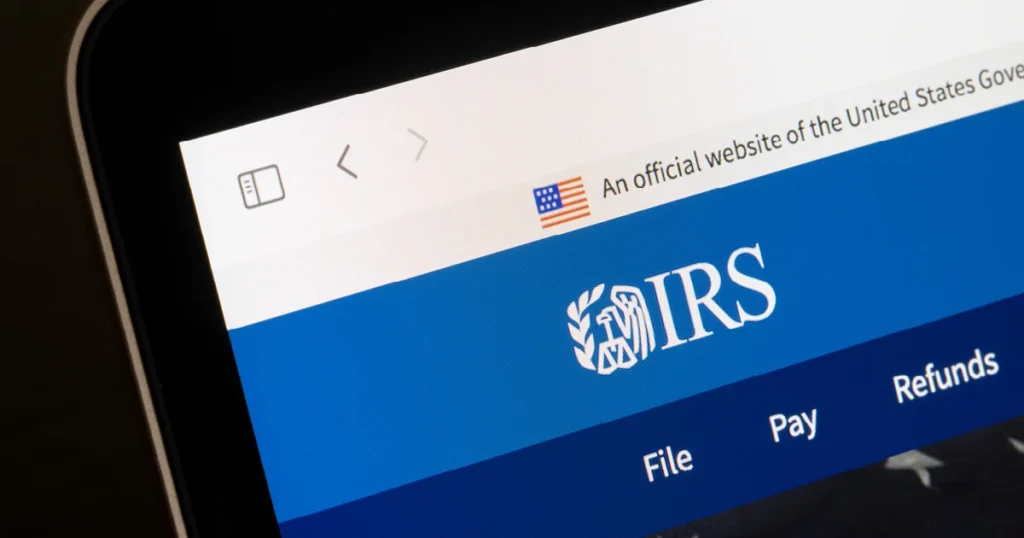
In a late-breaking move to address a significant administrative hurdle, the Internal Revenue Service (IRS) has introduced an electronic filing option for individual taxpayers seeking to submit Form 843, Claim for Refund and Request for Abatement. The new portal, integrated into the agency’s mobile-friendly forms webpage, is designed specifically for taxpayers filing protective claims tied to the landmark Kwong v. United States decision.
With a critical deadline looming this Friday, this digital pivot represents a rare, last-minute effort by the IRS to accommodate taxpayers caught in the crosshairs of a complex legal dispute regarding COVID-19-era filing deadlines.
The Kwong Court Decision: A Shift in Statutory Interpretation
The urgency surrounding these filings stems from the Court of Federal Claims’ ruling in Kwong, 179 Fed. Cl. 382 (2025). The core of the case centers on the interpretation of Sec. 7508A(d), a provision enacted as part of the COVID-19 disaster relief measures.
In Kwong, the court held that the filing deadline for refund claims related to penalties and interest was automatically extended due to the COVID-19 disaster declaration. The court’s reasoning suggests that the period between January 20, 2020, and July 10, 2023, could be disregarded when calculating statutory time limits for these claims. Consequently, taxpayers who paid penalties or interest during the pandemic may now be eligible for refunds that were previously thought to be barred by the statute of limitations.
Because the IRS is currently appealing this decision, the agency has categorized these filings as "protective claims." A protective claim serves as a placeholder, ensuring that a taxpayer’s legal right to a refund is preserved while the judicial system works to reach a final, binding determination on the merits of the Kwong interpretation.
Chronology of a High-Stakes Legal Battle
The timeline of the Kwong dispute has been swift, creating a pressurized environment for both tax practitioners and the IRS.
- January 20, 2020 – July 10, 2023: The period identified by the Court of Federal Claims as the COVID-19 disaster window, which the court ruled should be disregarded for certain statutory filing deadlines.
- Early 2025: The Court of Federal Claims issues its ruling in Kwong v. United States, establishing that taxpayers may be entitled to refunds for penalties and interest paid during the disaster period, effectively extending the deadline for such claims.
- May 2026: The IRS formally appeals the decision, signaling that it does not concede to the court’s broad interpretation of Sec. 7508A(d).
- Last Week: Recognizing the logistical difficulties for taxpayers to file by the Friday deadline, the IRS launched the online portal for Form 843.
- July 20, 2026: The deadline for the IRS to file its appellate brief in the case.
Online Filing Mechanics: Who Can Use the Portal?
The new electronic filing tool is not a universal solution. The IRS has established strict parameters for its use to ensure administrative efficiency.
Eligibility Requirements
- Individual Taxpayers Only: The portal is currently restricted to individual taxpayers. Businesses and other entities are explicitly excluded from this digital option and must continue to file Form 843 via traditional paper methods.
- Specific Scope: The tool is intended solely for claims related to fully paid interest and penalties linked to the Kwong decision.
- Digital Prerequisites: To use the system, individuals must possess an active IRS Online Account.
Compliance Procedures
For those using the electronic system, there is a specific manual requirement to ensure the claim is categorized correctly. Taxpayers must write “Kwong vs. United States” across the top of the form before uploading it to the portal. Failure to follow this naming convention may result in processing delays or the misrouting of the claim, which could jeopardize the taxpayer’s ability to meet the deadline.
Official Responses and Expert Analysis
The introduction of the portal has drawn mixed reactions from the tax community, ranging from relief to profound concern regarding the fairness of the current process.
The Advocate’s Perspective
National Taxpayer Advocate Erin Collins expressed significant apprehension regarding the narrow window of opportunity for taxpayers. In a blog post issued Thursday, Collins stated that the current deadline is “not a fair result” for the vast majority of potentially affected individuals.
“When potential relief exists but taxpayers must know to ask for it, unrepresented taxpayers, low-income taxpayers, and taxpayers who cannot easily obtain transcripts or professional help are at special risk of losing refunds,” Collins wrote. She warned that without a more robust outreach effort, only a “tiny fraction” of the taxpayers eligible for Kwong-related relief would manage to file their claims before the window closes.
The Practitioner’s View
Glen Frost, of the Frost Law Firm, welcomed the new portal as a vital "shortcut" for taxpayers who have been scrambling to meet the Friday cutoff. “There’s a narrow window for taxpayers who haven’t filed a claim yet,” Frost noted. “This new electronic portal creates a shortcut for people to get their refund request in before the deadline. If people paid penalties or interest during the pandemic, this is a last-minute chance to quickly file a claim.”
Despite the convenience, practitioners are advising clients to proceed with caution. Because the IRS is actively appealing the Kwong decision, the outcome of any refund claim remains subject to the final ruling of the appellate court.
Implications for Taxpayers and the IRS
The Kwong litigation represents a significant clash between the executive branch’s interpretation of disaster relief laws and the judiciary’s role in statutory construction.
Administrative Burden
For the IRS, the case highlights the massive administrative burden of managing retroactive changes to tax law. By requiring protective claims, the agency is forcing taxpayers to "opt-in" to the litigation, which creates a flood of paperwork that must be processed, tracked, and eventually adjudicated based on the appellate court’s final word.
The Risk of Inaction
For taxpayers, the implications of inaction are binary. Those who fail to file a protective claim by the deadline risk losing their eligibility for a refund, even if the appellate court ultimately upholds the Kwong decision in favor of the taxpayer. Because the law regarding the extension of deadlines is still in flux, the only way to safeguard a potential refund is to treat the Kwong ruling as valid and act accordingly.
Resources for CPAs and Professionals
Recognizing that many taxpayers will rely on professional advice to navigate this process, the American Institute of CPAs (AICPA) has established a dedicated Kwong resource center. This portal includes:
- Updated FAQs: Addressing the most common inquiries from tax professionals regarding the filing process.
- Compliance Checklists: Providing step-by-step guidance for CPAs to determine whether their clients have a viable claim for a refund under the Kwong interpretation.
- Member-Exclusive Insights: Detailed analysis of the legal arguments being presented in the appellate process.
Conclusion: A Race Against Time
The IRS’s decision to open an electronic portal for Form 843 is an acknowledgment that the Kwong decision has created an unprecedented demand for administrative relief. However, the reliance on a narrow deadline and the requirement for taxpayers to proactively assert their rights creates a system where the informed and well-represented are significantly more likely to succeed than those who are unaware of the ongoing litigation.
As the Friday deadline approaches, the tax community remains in a state of high alert. Whether this portal will provide sufficient access for the average taxpayer or if it will simply serve as a temporary band-aid on a much larger systemic issue remains to be seen. For now, the advice from professionals is clear: if there is a possibility that a taxpayer paid penalties or interest during the pandemic, they should immediately investigate whether their situation falls under the purview of Kwong and utilize the available electronic filing options before the clock runs out.