Federal Reserve Issues Urgent Directive to Small Business Bank Amid Capitalization Crisis
By Banking Correspondent
Published July 6, 2026
The Lenexa, Kansas-based Small Business Bank is facing an existential regulatory challenge after the Federal Reserve issued a "prompt corrective action directive" last week. The central bank has formally classified the institution as "significantly undercapitalized," triggering a mandatory 30-day window for the bank to shore up its balance sheet or face potential closure or forced acquisition.
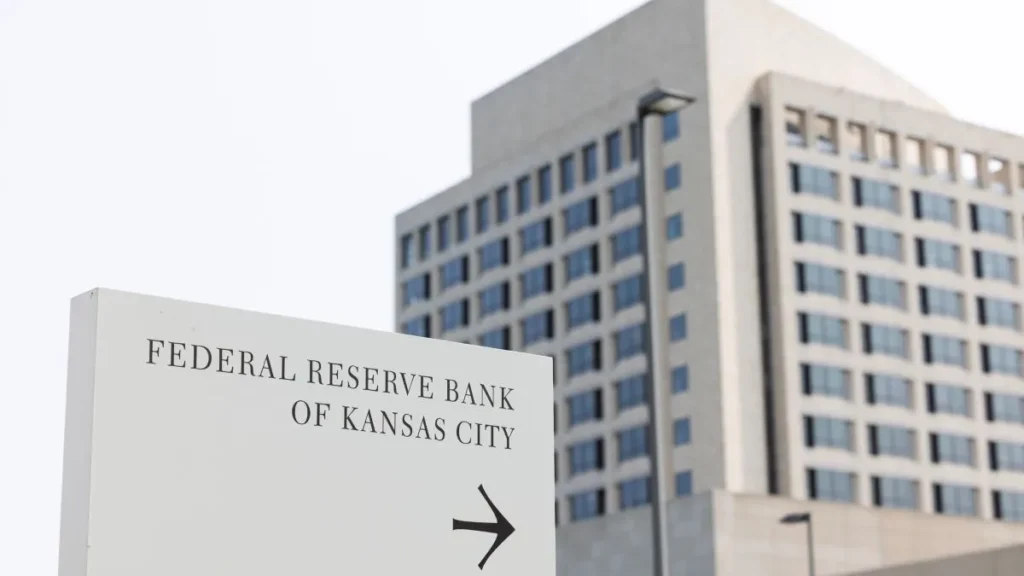
This latest regulatory intervention marks a critical escalation in the oversight of the Kansas lender, which has struggled to maintain compliance with federal standards for several years. The directive, issued on July 2, 2026, places the bank under the immediate scrutiny of the Federal Reserve Bank of Kansas City, leaving the institution’s leadership with a narrow path to survival.
The Core Mandate: A Race Against Time
Under the terms of the prompt corrective action (PCA) directive, Small Business Bank is required to take aggressive, immediate steps to restore its capital levels. The Federal Reserve has provided the bank with a three-pronged strategy to achieve this:
- Equity Injection: The bank must seek to increase its capital through the sale of shares or other equity instruments.
- Merger or Acquisition: The board of directors is tasked with exploring the potential for a sale or a strategic merger with a better-capitalized partner.
- Operational Restructuring: The bank is directed to take "other necessary measures" to ensure it meets federal capitalization requirements, though the Fed has yet to specify what those auxiliary measures might entail.
Perhaps most damaging to its daily operations is the Federal Reserve’s explicit prohibition against the solicitation or acceptance of new deposit accounts. Unless the bank secures express written approval from the central bank, it is effectively barred from growing its core business, a restriction that severely hampers its liquidity and revenue-generating potential during this critical 30-day period.
A Troubled History: A Chronology of Compliance Failures
The current crisis is not an isolated event but rather the culmination of a multi-year period of instability for Small Business Bank. The institution has been a frequent subject of regulatory enforcement actions since 2023, signaling a persistent failure to align its internal practices with the robust standards required of FDIC-insured depository institutions.
2023: The Initial Warning
In 2023, the Federal Reserve first signaled major concerns regarding the bank’s operational integrity. During a comprehensive examination, the central bank cited widespread deficiencies across the organization, including failures in staffing, internal controls, and credit risk management. Further reports noted that the bank’s lending and credit administration protocols were inadequate, and that the bank had failed to maintain sufficient IT and third-party risk management frameworks.
2024: AML and BSA Deficiencies
By 2024, examiners found what they characterized as "new and continuing deficiencies." The focus of the regulatory ire shifted toward the bank’s Anti-Money Laundering (AML) and Bank Secrecy Act (BSA) compliance programs. Such failures are considered high-risk by federal regulators, as they potentially leave the banking system vulnerable to financial crimes.
2026: The Capitalization Collapse
The most recent finding—that the bank is "significantly undercapitalized" as of June 18, 2026—serves as the final straw for the Federal Reserve. This classification indicates that the bank’s capital ratios have fallen below the regulatory minimums necessary to absorb potential losses, thereby jeopardizing the safety of depositors’ funds.
The Data Discrepancy: A Complex Financial Picture
One of the more baffling aspects of the current situation is the apparent discrepancy between the Federal Reserve’s recent findings and the bank’s most recent public filings.
As of the last call report filed on April 30, 2026, Small Business Bank reported a Common Equity Tier 1 (CET1) capital ratio of approximately 14%. By industry standards, a 14% ratio is considered quite healthy and is well above the threshold required for a bank to be categorized as "well-capitalized."
Industry analysts suggest that the divergence between the April 30 report and the July 2 directive could be due to a significant, rapid deterioration of assets within the intervening six-week period. Alternatively, it is possible that federal examiners, upon a deeper audit of the bank’s loan book, identified "problem assets" that necessitated substantial write-downs, effectively erasing the capital buffer that appeared on paper just two months ago.

This scenario highlights the volatility inherent in smaller, niche lenders, where a concentrated loan portfolio can be decimated by regional economic shifts or poor underwriting quality that may not be immediately apparent in quarterly reporting.
Official Responses and Stakeholder Silence
To date, Small Business Bank has remained largely silent regarding the directive. When contacted by media outlets for comment, no representative for the bank provided an official statement. This lack of transparency has fueled speculation within the financial sector about the bank’s ability to survive the month.
The Federal Reserve, adhering to its policy of not commenting on specific enforcement actions beyond the public documents provided, has likewise offered no further clarification. The burden of proof now rests entirely on the bank’s board of directors and executive leadership to present a viable recovery plan to the regulators.
Broader Implications: What Does This Mean for the Industry?
The situation at Small Business Bank serves as a stark reminder of the "prompt corrective action" framework’s role in maintaining the stability of the U.S. financial system. The PCA system was designed to ensure that the Federal Reserve and other regulatory bodies can intervene before a bank becomes insolvent, thereby protecting the Deposit Insurance Fund.
1. Risk to Depositors
While the bank is currently prohibited from taking new deposits, existing customers remain protected by the FDIC up to the standard limit of $250,000 per depositor, per ownership category. However, the uncertainty surrounding the bank’s future can lead to "deposit flight," where nervous customers move their money to larger, more stable institutions, further accelerating the bank’s decline.
2. The Cost of Compliance
For smaller, community-focused banks, the increasing regulatory burden regarding AML, IT security, and capital requirements is becoming an existential threat. The repeated failures of Small Business Bank suggest that the institution may lack the necessary infrastructure—both human and technological—to keep pace with modern regulatory expectations.

3. Consolidation Trends
If Small Business Bank is forced into a merger or is liquidated by the regulators, it would fit a larger trend in the banking industry. Smaller community banks are increasingly finding it difficult to operate profitably amidst rising compliance costs and intense competition from fintech firms. We are likely to see further consolidation in the sector as regulators continue to demand higher capital buffers and more sophisticated risk management.
4. Market Confidence
The fact that a bank can appear "well-capitalized" in a public filing in April and be declared "significantly undercapitalized" in July will likely raise questions among investors and analysts about the reliability of call reports. This may prompt the Federal Reserve to implement more frequent or more rigorous "stress tests" even for smaller institutions, potentially adding another layer of compliance costs to an already strained industry.
Conclusion: The Path Ahead
The next 30 days will be decisive for Small Business Bank. Should the bank fail to raise capital or find a suitor, the Federal Reserve will be empowered to take more draconian measures, including the appointment of a receiver.
For the community in Lenexa and the bank’s broader client base, the situation is a waiting game. The bank’s leadership must now prove that they can navigate the most significant crisis in the institution’s history. Whether they possess the capital, the reputation, and the time to turn the ship around remains to be seen. In the meantime, the banking industry will be watching closely, mindful that the regulatory net is tightening on institutions that cannot keep pace with the evolving demands of the modern financial landscape.