Stranded in the Crosshairs: The Silent Crisis of Seafarers in the Persian Gulf
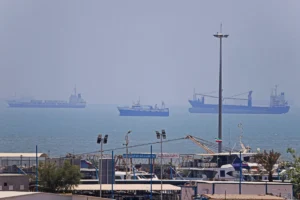
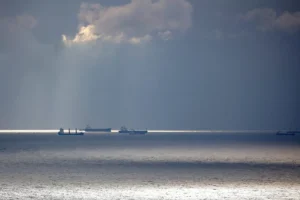
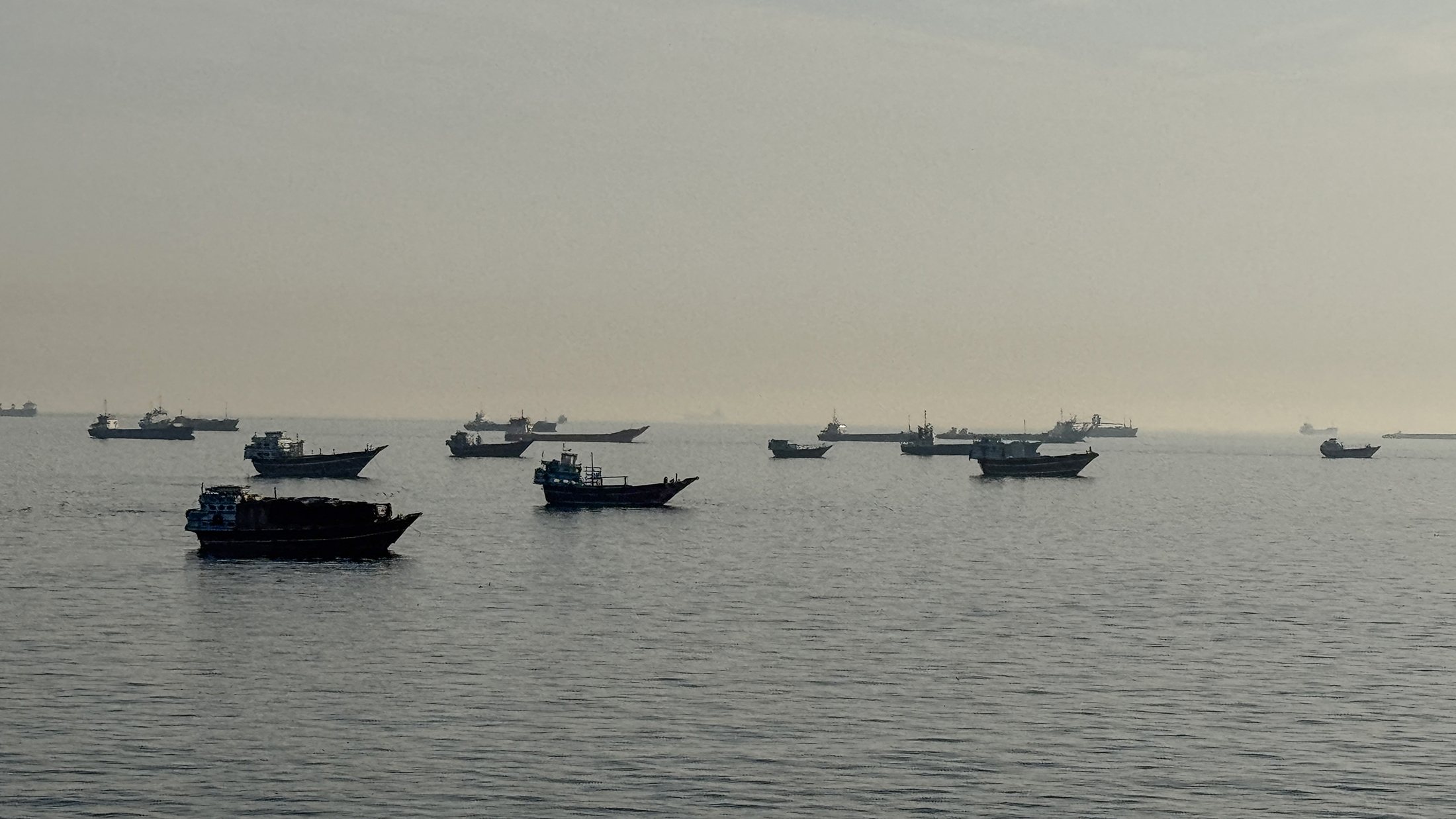
For Abhijit Chopra, the news of a US-Iran peace deal arrived not as a fanfare, but as a flicker on his smartphone screen while anchored in the Persian Gulf. As the captain of a crude oil tanker, Chopra has spent over 120 days effectively imprisoned by the shifting sands of geopolitical warfare. While the world watched the diplomatic tables, Chopra and his 21-member crew—a multicultural mix of Indians and a single Ukrainian—watched the horizon. There were no celebrations from neighboring vessels, no frantic engines roaring to life to breach the Strait of Hormuz. Instead, there was the suffocating weight of uncertainty.
Chopra’s experience is not an anomaly; it is a microcosm of a harrowing reality for approximately 8,000 non-regional seafarers currently trapped in the Gulf. They are the invisible gears of the global economy, left to the mercy of missile strikes, drone incursions, and the glacial pace of international diplomacy.
The Human Cost of Global Logistics
"Ultimately, we are just ordinary people. We are fathers, we are sons, we are husbands," Chopra reflects. His sentiment captures the profound disconnect between the high-stakes political maneuvering in Washington and Tehran and the men and women who keep the world’s energy flowing.
The physical environment of a merchant vessel—typically 280 meters long and 50 meters wide—becomes a claustrophobic cage when the ship cannot move. For months, these crews have navigated a fragile existence: rationing food and water, curbing satellite phone usage to save costs, and managing the psychological toll of being a civilian in a combat zone. On some vessels, the monotony is broken by fishing, with the catch often turned into a communal meal that serves as a temporary reprieve from the monotony of tinned rations.
The psychological strain is managed through strict discipline. "We do our best to keep the morale on board for everyone—be professional, disciplined, and supportive," says Chopra. Yet, the presence of weaponized drones and missiles passing overhead serves as a constant, visceral reminder of their mortality.
A Chronology of Conflict and Confinement
The crisis began in late February, when the eruption of hostilities turned the Gulf into a no-go zone for many. For captains like Raman Kapoor, the transition was jarring. Just days away from the end of his tour, Kapoor was loading crude oil in Basra when the reality of the war hit home. A local pilot brought word of attacks in the Strait of Hormuz, and within hours, his schedule, his destination, and his safety were entirely rewritten.
Key Milestones in the 2026 Crisis:
- Late February: War breaks out; the Strait of Hormuz becomes a combat zone. Thousands of seafarers are left stranded at anchor.
- March: The violence intensifies. On March 12, the Safesea Vishnu is struck by an unmanned craft, resulting in a fatality, just one nautical mile from where Captain Kapoor was moored.
- Mid-March: The Ras Laffan facility in Qatar is targeted by Iranian missiles. Crews are forced to flee with only 30 minutes of notice.
- April: The Philippines, a primary source of maritime labor, briefly restricts the deployment of its nationals to the Gulf, deepening the crew shortage.
- June: A 60-day interim deal between the US and Iran offers a glimmer of hope. The IMO attempts a mass evacuation, which is quickly suspended due to renewed hostilities.
Supporting Data: The Anatomy of Global Shipping
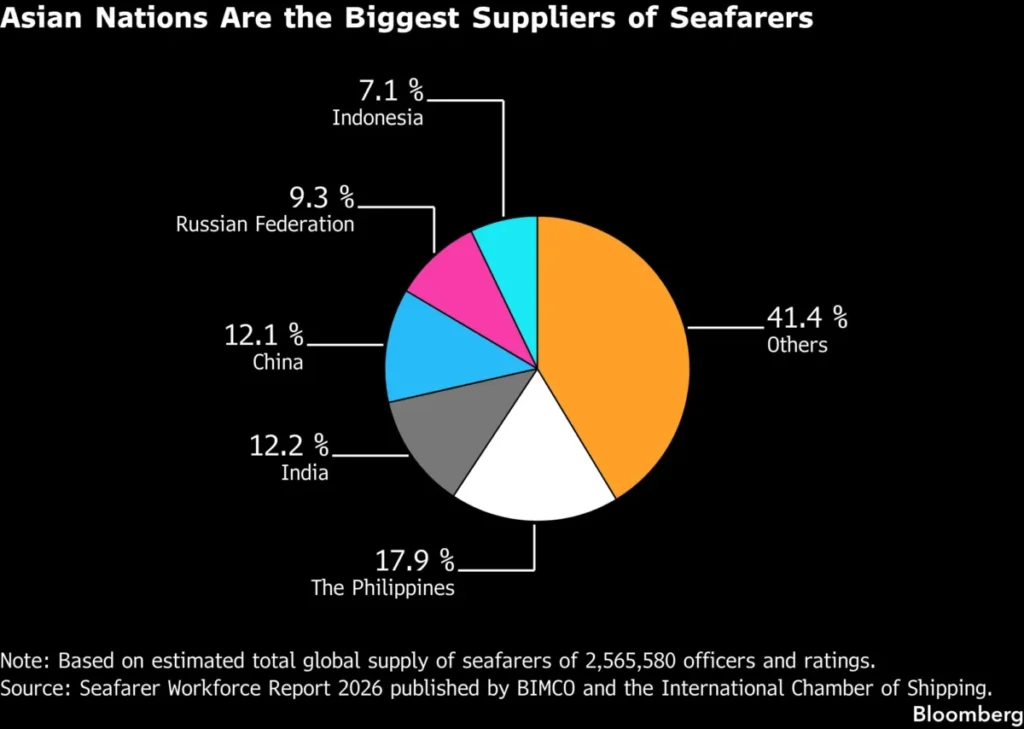
The crisis highlights the dangerous fragility of the global supply chain. According to World Bank estimates, oceangoing ships move more than 80% of global goods by volume, accounting for roughly 70% of total trade value. A joint report by BIMCO and the International Chamber of Shipping notes that there are 2.6 million seafarers serving on more than 85,000 merchant vessels.
The labor force is disproportionately drawn from lower-income nations, with India and the Philippines alone contributing 30% of the global workforce. This centralization of labor, contrasted with the extreme decentralization of ship ownership, creates a dangerous gap in accountability.
"Global shipping is almost set up to provide multiple, different channels for ownership," explains Ben Bailey, program director for the Mission to Seafarers. "I can be a shipowner sitting in London, flag it to Liberia, register it in Greece, and sit back and earn revenue. It is the seafarers that risk falling through the gaps."
Official Responses and Diplomatic Hurdles
The International Maritime Organization (IMO) has faced criticism for its inability to secure consistent, safe passage for civilian vessels. While governments like Pakistan, India, and Japan have negotiated individual extractions for their respective nationals, these state-to-state deals often leave other crews in limbo.
"If Iran asks for $10,000 to cross and the company says no, but still expects the vessel to cross, what happens then?" asks Jacqueline Smith, maritime coordinator at the International Transport Workers’ Federation. The question touches on the ethical minefield of modern shipping: are crews being coerced into sailing through war zones under the guise of "essential service"?
The IMO’s June evacuation plan, which successfully removed 2,900 seafarers from 136 ships, was a rare moment of coordinated success. However, its suspension underscores the fragility of these agreements. Spokeswoman Natasha Brown emphasizes that future relief efforts require "designated safe corridors, clear protocols, and the right to refuse unsafe passage."
The Implications: A New, Dangerous Normal?
Perhaps the most alarming trend identified by industry experts is the "normalization" of danger. As the conflict drags on, the terror of being targeted by missiles is increasingly viewed as a standard operational risk.
"The biggest worry is how the level of uncertainty of the war has now gone to a worrying level of acceptance," says Bailey. "Seafarers and shipowners used to be terrified at the sight of missiles. As time went on, they’re normalizing what is otherwise an abnormal situation."
This normalization has profound implications for the industry. As the "shadow fleet" of older, less-regulated vessels grows, the risks to seafarers increase. When the legal and moral protections afforded by the Maritime Labour Convention are bypassed or ignored by smaller, less-scrupulous operators, the human cost is invariably paid by the men and women at sea.
The Path Home: A Difficult Transition
For those who do eventually make it home, the transition is surreal. Captain Kapoor’s return to his family in the Himalayas, following a harrowing journey through Qatar and Delhi, was a moment of profound relief. Yet, for thousands of others, the journey home remains blocked by the logistics of replacement.
Replacing a crew in a war zone is a massive undertaking. Beyond the geopolitical clearance, there is the technical reality of maintaining a vessel that has been idling for months. Barnacles must be cleared, equipment tested, and new crews trained for security protocols—including rehearsing exactly how to respond if challenged by hostile forces in the Strait.
As for Abhijit Chopra, the wait continues. He remains anchored, balancing the need for professional vigilance with the desire for home. His message to his crew remains the same: "Be optimistic, but be carefully optimistic."
In the final assessment, the crisis in the Persian Gulf serves as a stark warning. The global economy relies on the silent, often unseen labor of seafarers. When diplomacy fails, it is not the markets that suffer most, but the individuals caught in the crosshairs—fathers, sons, and husbands who, in the words of Captain Chopra, are doing a job "because somebody has to do this." As the world continues to rely on the maritime highway, the question remains whether the industry will finally prioritize the safety of its human capital over the movement of its cargo.