The New Era of Fiscal Reality: What the Fed’s "Higher-for-Longer" Stance Means for Real Estate
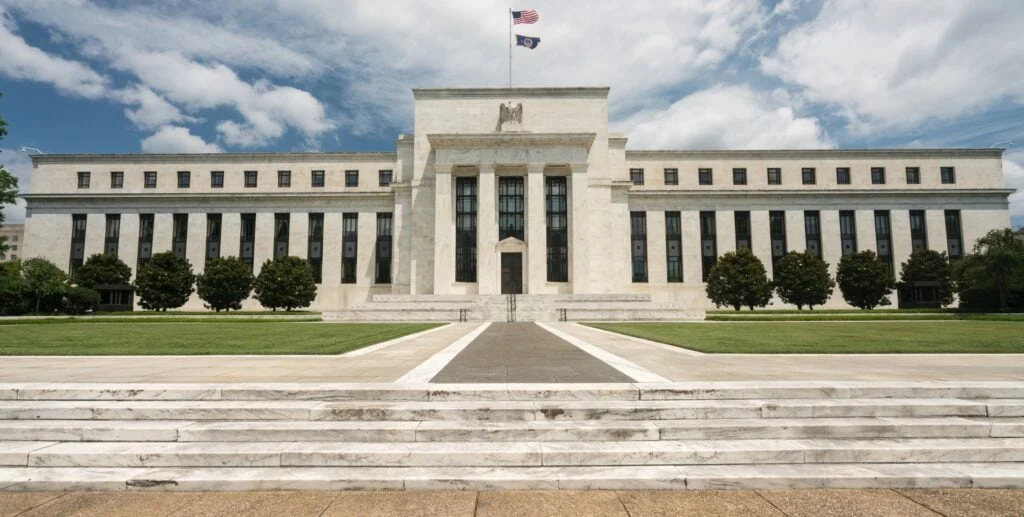
The dream of a swift return to the low-interest-rate environment of the previous decade has officially evaporated. For real estate investors, the appointment of Kevin Warsh as the new Federal Reserve Chair was initially met with a glimmer of hope—a belief that a new hand at the helm might pivot toward monetary easing. However, that hope has met a cold, hard reality: the Federal Reserve remains locked in a desperate struggle against persistent inflation, exacerbated by ongoing global instability.
For the small landlord and the aspiring real estate investor, the message from the Fed is clear and unforgiving: the "higher-for-longer" interest rate regime is not merely a temporary hurdle—it is the new economic baseline.
The Shift in Fed Strategy: From Hope to Hawkishness
When Kevin Warsh assumed the role of Fed Chair, he faced immediate pressure from market participants to signal a change in trajectory. During the tenure of his predecessor, Jerome Powell, Warsh had occasionally hinted at a more flexible approach. However, once in the chair, the political realities of the current economic environment took hold. With inflation remaining sticky and global geopolitical tensions, particularly the ongoing conflict in Iran, acting as a constant inflationary pressure, Warsh has performed a definitive 180-degree turn.
In his recent press conferences, Warsh has adopted the mantle of a traditional inflation hawk. "Persistently high prices are a burden for the American people, but the recent past need not be prologue," Warsh told reporters. "This committee will deliver price stability."
This rhetoric has effectively silenced the camp of investors who were banking on a rapid series of rate cuts to juice the housing market. Instead, the Fed has opted to hold rates steady, with officials signaling that further hikes may be necessary to quell the inflationary fire.
Chronology of a Cooling Market
To understand the current impasse, one must look at the timeline of the 2026 market correction:
- Q1 2026: Market optimism persists. Investors largely expect that the Fed will begin cutting rates by mid-year as inflation shows initial, albeit fragile, signs of slowing.
- April–May 2026: Geopolitical tensions rise, impacting global supply chains and energy costs. The inflationary pressure forces the Fed to pause its plans for any potential pivot.
- June 2026: The Federal Reserve holds interest rates steady, explicitly warning of potential future hikes. The "hope trade" in the real estate sector collapses.
- Late June 2026: Major financial institutions, including Bank of America and Deutsche Bank, adjust their forecasts, warning that we could see an additional 75 basis points of rate hikes before the year ends.
This timeline marks the transition from a period of anticipation to a period of tactical endurance. The market is no longer waiting for the Fed to save it; it is learning to operate within the constraints of high borrowing costs.
Supporting Data: A Market in Search of Equilibrium
The real estate market is currently caught in a tug-of-war between high interest rates and falling property values. According to Realtor.com’s May 2026 housing report, the national median listing price has fallen for seven consecutive months, down 2.4% year-over-year to approximately $429,500. This represents the sharpest annual decline in the platform’s data since 2017.
While this may look like a "deal" on paper, the cost of financing those deals has eroded the purchasing power of the average investor. As Chen Zhao, head of economics research at Redfin, noted, "We’re in a new era… the committee as a whole is taking inflation very seriously, which means mortgage rates are unlikely to retreat much in the near future."
This creates a paradox: properties are becoming more affordable for cash buyers, but for the average landlord relying on leverage, the monthly debt service on these properties remains prohibitively expensive.
Official Responses and Economic Implications
The reaction from major banking institutions has been decidedly somber. Analysts at Bank of America have characterized the Fed’s latest posture as "much more hawkish than we thought." The implication is that the Federal Reserve is willing to endure a period of suppressed economic activity, including a cooling housing market, to achieve its 2% inflation target.
For the real estate sector, the implications are profound:
- The End of Speculative Buying: The era of buying properties with thin margins, hoping for a quick refinance to lower monthly payments, is over. Investors who rely on "date the rate, marry the house" are finding that the "divorce"—the refinance—is not coming.
- Increased Operating Costs: Beyond interest rates, landlords are facing rising costs in insurance, taxes, and maintenance, further compressing net operating income (NOI).
- The Rise of the Cash Buyer: The only segment of the market currently thriving is the cash-rich investor. Those with liquidity are now in a position of power, able to negotiate deep discounts with sellers who are increasingly desperate to offload assets.
Strategic Shifts: Surviving and Thriving
Investors who insist on playing by the old rules will likely find themselves in financial distress. However, those who adapt their strategies to the current reality can still find success.
1. The Pivot to Cash Flow
In a high-interest environment, appreciation is a gamble; cash flow is a necessity. Investors must prioritize properties that generate strong monthly income from day one. This often means looking toward the Midwest or secondary markets where price-to-rent ratios are more favorable.
2. The Rental Demand Floor
There is a silver lining. As mortgage rates keep prospective homebuyers on the sidelines, the rental market is becoming increasingly robust. A survey from 2-10 Home Buyers Warranty found that 44% of current renters now view renting as a long-term lifestyle choice, with 34% citing affordability as the primary barrier to homeownership. This sustained demand provides a buffer for landlords against the volatility of the housing market.
3. Rigorous Due Diligence
The "buy anything" phase of the post-pandemic market is dead. Today’s investor must be a master of the spreadsheet. This involves:
- Contesting Taxes: Proactively challenging property tax assessments when home values fall.
- Shopping Lenders: Smaller, regional banks or private lenders may offer more flexible terms than traditional mortgage providers.
- Maintaining Reserves: The "Golden Rule" of the current market is to hold at least 6–12 months of mortgage payments in liquid reserves. Without a "refinance parachute," investors must be prepared to carry their properties through lean periods.
Final Thoughts: The Discipline of the Long Game
As Charles Dickens famously wrote, "It was the best of times, it was the worst of times." For the well-capitalized, disciplined investor, these turbulent times represent a rare opportunity to acquire assets at a discount. For the over-leveraged, it represents a period of extreme risk.
The Federal Reserve has made its position clear: they are not interested in bailing out the real estate market. They are committed to the long-term project of price stability. For landlords, this means the "hot water" of high interest rates is not going away anytime soon.
The most successful investors in the coming years will be those who stop looking at the Fed for salvation and start looking at their own balance sheets. If you cannot afford to hold a property under current interest rates for the next five to ten years, you cannot afford to buy it today. By focusing on fundamentals, prioritizing cash flow, and maintaining a conservative stance on debt, investors can navigate this new, challenging landscape and emerge stronger on the other side. The "easy money" era may be gone, but the "smart money" era has only just begun.