From City Dreams to Rural Realities: The Evolution of Modern Homesteading
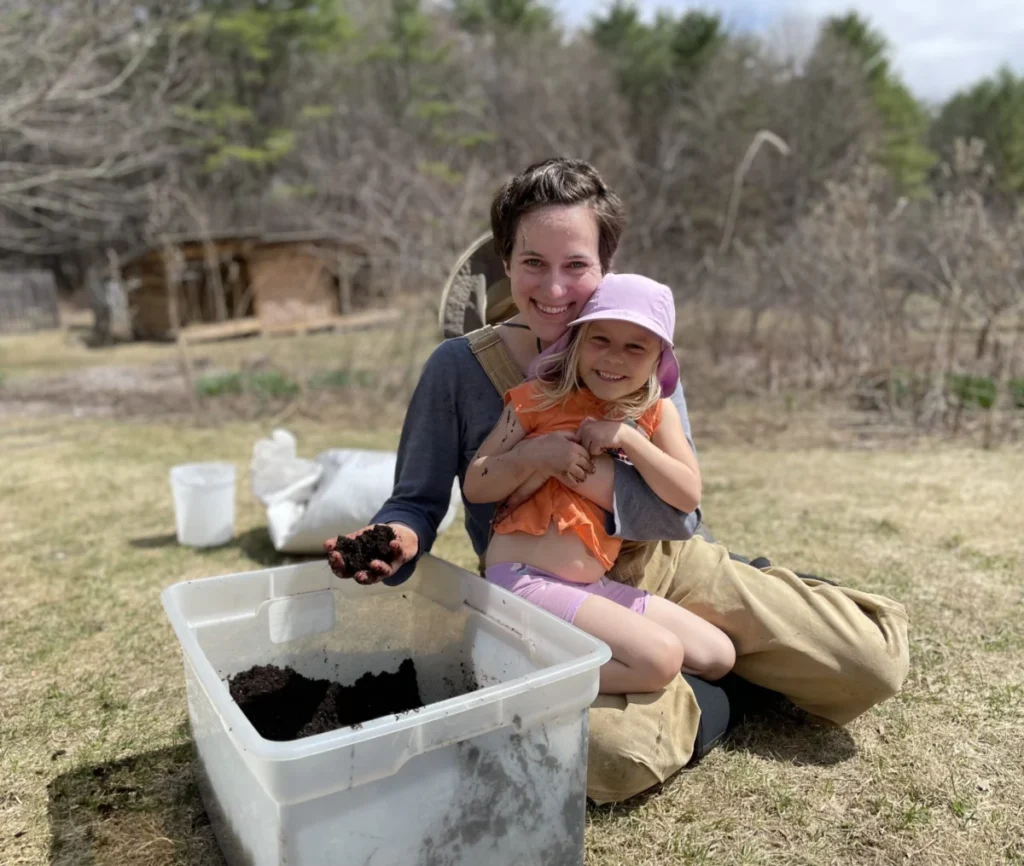
When the Frugalwoods—a family who famously traded the urban hustle for a 66-acre homestead in the Vermont wilderness—first arrived in May 2016, they carried with them a quintessential, romanticized vision of rural life. They imagined a self-sufficient existence, characterized by endless rows of flourishing produce, children gracefully assisting in the harvest, and a larder stocked with home-preserved goods that would sustain them through the harsh New England winters.
Seven years later, the reality of that transition has proven to be a masterclass in managing expectations. As the family celebrates the ninth anniversary of their brand, they are reflecting on the "gargantuan assumption" that defined their early years: the belief that they would, and should, grow and raise all of their own food.
Main Facts: The Myth of Total Self-Sufficiency
The central tenet of the Frugalwoods’ early homesteading philosophy was the pursuit of complete food autonomy. The initial vision included raising meat chickens, pigs, and goats, while maintaining a dairy cow for home-churned butter and artisanal cheese.
However, the reality of the last seven years has led to a significant shift in perspective. The family has concluded that while total self-sufficiency is technically possible, it is not a sustainable or enjoyable path for them. The primary obstacle is the sheer, "all-consuming" labor required during peak harvest seasons.
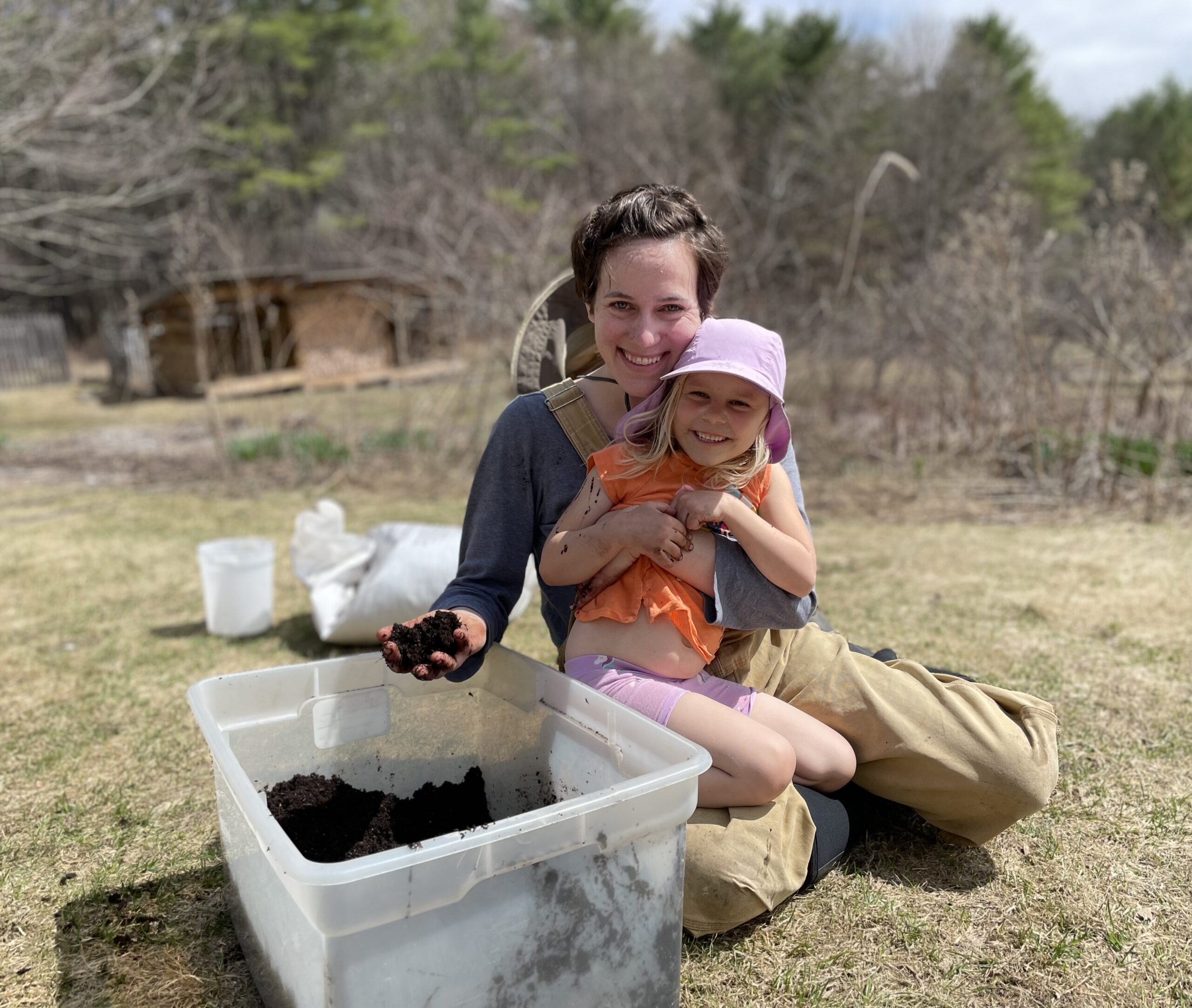
The family now differentiates between "subsistence farming"—which they do not practice—and the "lifestyle homesteading" they have adopted. By choosing to step back from the pressure of providing 100% of their own food, they have reclaimed the time and energy that originally motivated their move away from the city. They now frame their homesteading as a pursuit of joy, freedom, and space, rather than a competition against an idealized, "Little House on the Prairie" standard of perfection.
Chronology: A Timeline of Lessons Learned
The journey from hopeful novices to realistic stewards of their land has been marked by specific, defining experiences.

- May 2016: The Frugalwoods transition from city life to their 66-acre property in rural Vermont. The initial period is defined by intense infrastructure development and high expectations for self-sufficiency.
- 2018 (The "Kale & Chard Apocalypse"): This year served as a turning point. The family planted 80 kale and chard plants, which thrived beyond expectations. The subsequent harvest required days of labor, turning the kitchen into a processing factory and forcing the family to store excess greens in a children’s inflatable pool. The exhaustion and stress of this event began to break the illusion of the "perfect homesteader."
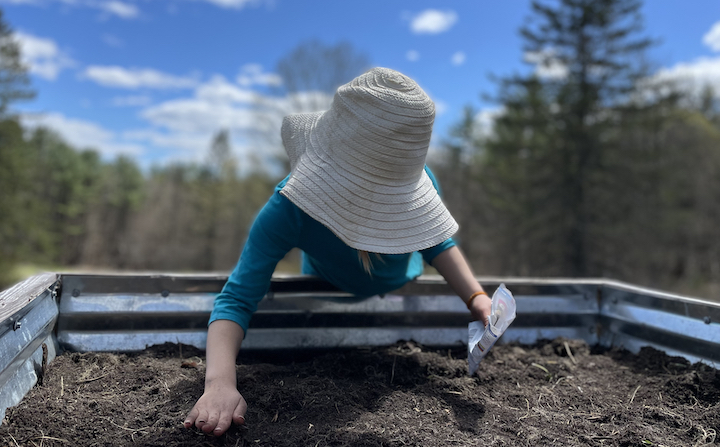
- 2020: The family shifts their strategy by constructing four raised beds near the back porch, prioritizing convenience over scale. This allowed for easier access to herbs, greens, and strawberries.
- 2021: Ongoing efforts to establish a perennial food forest—including fruit trees and berry bushes—are met with the persistent challenges of local wildlife, which the family calls the "Clever Varmint Patrol" (CVP).
- 2023: At the seven-year mark of their rural transition, the Frugalwoods have reached a state of "acceptance." They no longer feel the guilt of not producing their entire food supply, instead choosing to support local farmers and prioritize their own quality of life.
Supporting Data: The Logistics of Modern Homesteading
The Frugalwoods’ experience highlights the complex realities of small-scale agriculture. Their current setup is divided into three primary categories, each with its own set of challenges and successes:
1. The Raised Beds
By situating four raised beds near their back porch, the family has successfully prioritized convenience. This allows them to harvest fresh herbs and greens for immediate use, reducing the labor intensity of food processing.

2. The "Big" Vegetable Garden
This fenced-in area is dedicated to annual crops like tomatoes, beans, squash, and snap peas. The use of cattle panels for vertical gardening has proven to be a highly effective labor-saving technique, replacing the need to trellis individual plants.
3. The Perennial Food Forest
This area includes fruit trees and berry bushes, which take years to reach production maturity. Data from the property shows that even with a high number of plants, the harvest is inconsistent due to:

- Environmental factors: Late frosts, excessive rain, or drought can devastate a season’s yield.
- Wildlife competition: The CVP (Clever Varmint Patrol) frequently harvests crops the moment they reach peak ripeness.
- Synchronization issues: Fruit trees often ripen their entire crop simultaneously, creating a "bottleneck" where the homeowner must either process the entire harvest in one day or lose it to decay or animals.
Official Perspectives: The "Showdown" of Self-Expectation
Reflecting on their journey, the Frugalwoods acknowledge that they effectively transplanted the stress and anxiety of their former corporate office jobs into their gardening. By attempting to treat gardening as a high-stakes, performance-based task, they risked losing the very thing they moved to the country to find: time.
"I’ve learned that chaining myself to my vegetable garden is really no different than chaining myself to my desk and computer," the authors note. They argue that the pressure to be a "perfect homesteader"—driven by social media, blogs, and books—is an external, artificial standard that often ignores the privilege of not having to rely on one’s own labor to survive.

The family now explicitly rejects the "race to be the ultimate homesteader." Their perspective has shifted from "How much can we grow?" to "How much labor do we want to perform?" This has led to a healthier relationship with their land, where they choose to buy food from their neighbors who do this work professionally, acknowledging that those farmers are often better equipped and more skilled at the high-volume production required for year-round sustainability.
Implications: Redefining Success in Rural Life
The implications of the Frugalwoods’ journey are profound for anyone considering a move to a homestead or a transition to a more self-reliant lifestyle.

The Danger of Perfectionism
The primary takeaway is that the "curated" image of homesteading often omits the reality of burnout. When a hobby or a lifestyle change becomes another source of "productivity" and "performance," it ceases to be a source of freedom. The Frugalwoods illustrate that the ultimate goal of living in the woods is not necessarily the quantity of food produced, but the quality of the life led while producing it.
The Value of Community
By moving away from total self-sufficiency, the family has actually increased their connection to their community. By purchasing food from neighbors, they are participating in a local economy, supporting fellow residents, and reducing the stress of their own household management.

The Shift to "Good Enough"
The Frugalwoods have defined a new model of success: the "middle-ground" homestead. This is a lifestyle where the family enjoys the benefits of fresh, home-grown produce and the satisfaction of teaching their children where their food comes from, without the necessity of turning the basement into a warehouse of canned goods.
In the final analysis, their story serves as a reminder that the "ideal" life is not one that matches a pre-existing vision, but one that is flexible enough to accommodate reality. For the Frugalwoods, success in 2023 is not measured by the number of jars in the pantry, but by the time available to hike, play music with neighbors, and enjoy the peace of the woods—the very things that motivated their journey in the first place.