The Financial Backbone: Why Payments Modernization is the Linchpin of Insurance Transformation
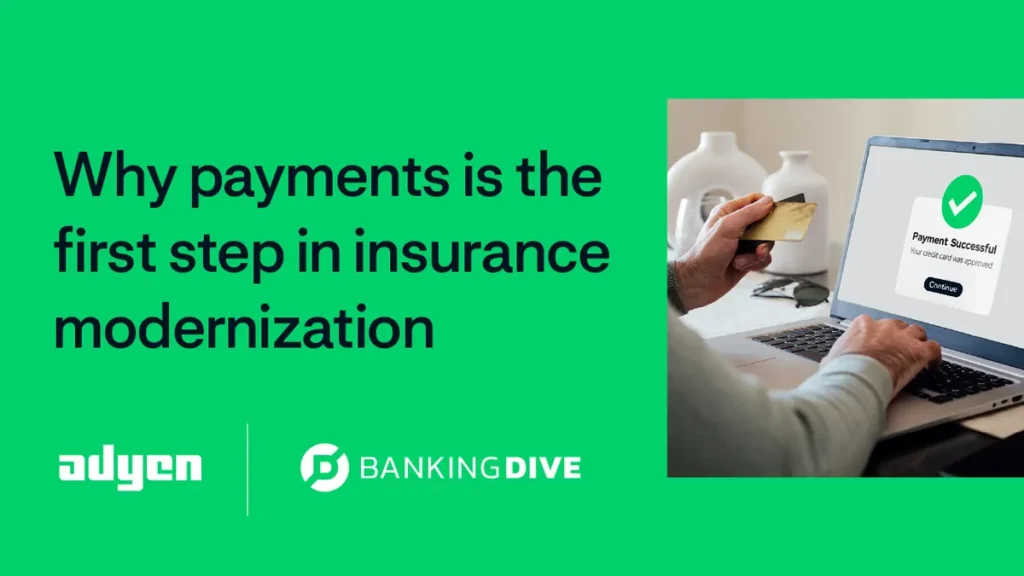
In the rapidly evolving landscape of global finance, few sectors are as ripe for digital disruption as the insurance industry. While banking, retail, and logistics have undergone radical technological shifts over the last decade, insurance providers have frequently found themselves tethered to legacy systems. Specifically, the payments infrastructure—the literal connective tissue between insurers, policyholders, and partners—has often been treated as a back-office afterthought.
However, a new consensus is emerging among industry leaders: modernizing the payments stack is no longer merely an operational optimization; it is the fundamental first step toward comprehensive digital transformation. By treating payments as a strategic asset rather than a utility, insurers can unlock operational efficiency, enhance customer loyalty, and gain a decisive competitive advantage.
Main Facts: The Payments Bottleneck
The primary challenge facing the insurance sector is the friction inherent in antiquated payment processing. In an era where consumers expect near-instant transactions—exemplified by the “Amazon experience”—the insurance industry often relies on manual reconciliation, batch processing, and siloed banking relationships.
The core facts driving the need for change include:
![[Podcast] Payments: The connective tissue of insurance](https://imgproxy.divecdn.com/36aObmLPvZJrFdvPm7JIHZn7zVaKdaopCeVs_PMHS1Q/g:ce/rs:fit:770:435/Z3M6Ly9kaXZlc2l0ZS1zdG9yYWdlL2RpdmVpbWFnZS9hZHllbi1wb2RjYXN0LTEzNDZ4NzI5LnBuZw==.webp)
- Customer Friction: Legacy payment methods, such as paper checks or manual bank transfers, increase churn rates. Policyholders expect the same ease of payment in insurance as they do in e-commerce or streaming services.
- Operational Inefficiency: Manual reconciliation processes tie up significant capital and human resources, slowing down claim settlements and premium collection.
- Data Silos: When payments are processed through fragmented systems, insurers lose out on the rich data insights that integrated payment platforms provide. This lack of visibility complicates risk assessment and customer behavior analysis.
- Regulatory Compliance: As digital payments evolve, so do the threats. Modernizing payment stacks allows insurers to integrate robust, automated compliance and security protocols, reducing the risk of fraud.
A Chronology of Modernization
To understand where the industry is going, one must look at how the role of payments has evolved within the insurance lifecycle:
Phase 1: The Era of Paper (Pre-2010)
For decades, the insurance industry relied heavily on physical documentation and paper-based payments. Premiums were mailed, and claims were settled via checks. This era was characterized by high administrative costs and long processing times, often taking days or even weeks to finalize a simple transaction.
Phase 2: The "Digital Wrapper" (2010–2018)
As digital adoption surged, insurers began adding “digital wrappers” to their existing legacy stacks. This meant creating portals where users could input credit card information or initiate online bank transfers. However, these systems were often bolted onto older architecture, creating a “Frankenstein” infrastructure that was difficult to maintain and prone to errors.
Phase 3: The Integrated Infrastructure (2019–Present)
We are currently in the midst of a shift toward true payments modernization. This involves moving away from patched-together systems toward unified, API-first payment platforms. These platforms allow for seamless integration with policy administration systems (PAS), claims management software, and customer relationship management (CRM) tools. This integration allows for real-time visibility into the entire cash flow cycle.
![[Podcast] Payments: The connective tissue of insurance](https://d12v9rtnomnebu.cloudfront.net/logo/printer_friendly/bankingdive.jpg)
Supporting Data: The Cost of Stagnation
The economic argument for modernization is supported by significant industry data. According to recent market analysis, insurers that fail to modernize their payment ecosystems face three distinct financial hurdles:
- High Cost-to-Serve: Manual reconciliation and exception management can inflate the cost of processing a single premium payment by as much as 30% compared to automated, integrated solutions.
- Increased Churn: Research into consumer behavior indicates that when a payment process is difficult—or when a preferred payment method is unavailable—the probability of a policyholder shopping for a new provider increases by nearly 20%.
- Delayed Liquidity: The inability to offer instant disbursements for claims creates a negative brand perception. Conversely, insurers utilizing real-time payment rails to disburse claims see higher Net Promoter Scores (NPS) and increased policy renewal rates.
Furthermore, data suggests that the integration of payment platforms with AI-driven analytics allows for "predictive premium collection." By analyzing payment patterns, insurers can identify customers at risk of missing a payment before it happens, allowing for proactive, automated communication that saves the policy.
Official Industry Perspectives
Industry analysts and fintech experts, such as those partnering with organizations like Adyen, emphasize that the "modernization of payments" is a cultural shift as much as a technical one.
On Operational Synergy:
"Insurers have historically viewed payments as a cost center," notes a senior fintech strategist. "Modernizing the stack flips that narrative. When payments are integrated, they become a data-rich source of truth. By understanding how, when, and where a customer pays, an insurer can tailor products more effectively, essentially turning the payment system into a marketing and retention tool."
![[Podcast] Payments: The connective tissue of insurance](https://imgproxy.divecdn.com/BrDAx1m6sASr2GatQTdLLdEPsMRYyKyutwxl8v5rYXA/g:ce/rs:fill:1200:675:1/Z3M6Ly9kaXZlc2l0ZS1zdG9yYWdlL2RpdmVpbWFnZS9hZHllbi1wb2RjYXN0LTEzNDZ4NzI5LnBuZw==.webp)
On Regulatory and Security Compliance:
"The landscape of financial crime is shifting toward digital channels," explains a compliance officer in the insurtech space. "Legacy systems simply cannot keep up with the sophistication of modern fraud. Moving to a cloud-based, modern payment infrastructure allows an insurer to leverage machine learning models that detect anomalies in real-time, far faster than any human-led team could hope to achieve."
Implications: The Future of the Insured Experience
The long-term implications of this shift are profound. As insurers move toward a more modern, flexible infrastructure, we can expect to see several key trends take hold:
1. The Rise of Embedded Insurance
By modernizing their payment capabilities, insurers can more easily embed their products into non-insurance platforms. For example, a travel insurance policy can be triggered and paid for at the point of booking a flight through a third-party app. This is only possible if the insurer has a flexible, API-driven payment backbone.
2. Personalized Premium Models
Real-time payment data will eventually feed into underwriting engines. If an insurer can see a customer’s spending habits and financial health in real-time (with the appropriate permissions), they can offer hyper-personalized premium rates, moving away from static, actuarial tables toward dynamic, behavior-based pricing.
![[Podcast] Payments: The connective tissue of insurance](https://d12v9rtnomnebu.cloudfront.net/paychek/logo-adyen-rgb-green.png)
3. Frictionless Claims Processing
The "moment of truth" for any insurer is the claims process. By utilizing modern payment rails, insurers can settle claims instantly. This not only builds immense trust with the policyholder but also reduces the administrative burden of tracking long-outstanding claims, thereby improving the company’s balance sheet.
4. Global Scalability
For multinational insurers, local payment methods are a major hurdle. Modern payment platforms provide a single gateway to access local payment rails globally. This allows an insurer to enter a new market with minimal friction, as they do not need to build custom integrations for every country’s banking system.
Conclusion
The insurance industry stands at a crossroads. The infrastructure that powered the growth of the industry in the 20th century is increasingly becoming a bottleneck in the 21st. While the technical challenge of replacing legacy systems is significant, the cost of inaction is higher.
By viewing payments as the "connective tissue" of the entire business, insurers can do more than just process transactions—they can create a seamless, responsive, and data-driven relationship with their policyholders. Modernization is not merely about upgrading software; it is about building the foundation upon which the future of the insurance industry will be built. Those who make this shift early will define the standards of service, efficiency, and growth for the coming decade.