Resilience and Reform: Inside the Federal Reserve’s Latest Bank Stress Test Results
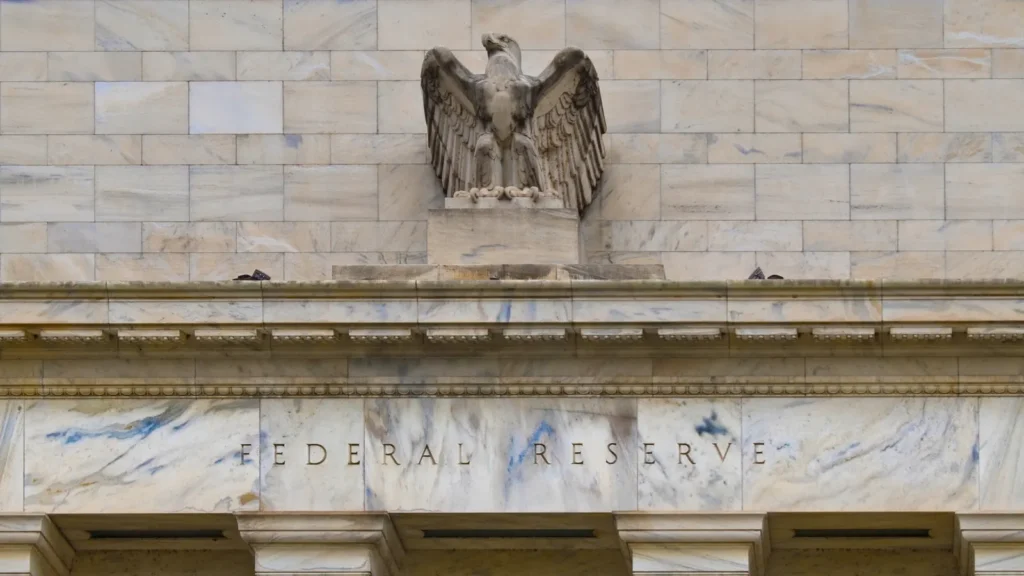
In a clear signal of the resilience currently characterizing the U.S. financial system, the Federal Reserve’s annual stress test results have confirmed that all 32 participating large banks possess sufficient capital to withstand a severe, hypothetical economic downturn. The results, released this week, underscore a banking sector that has largely emerged from the post-pandemic volatility with fortified balance sheets and a disciplined approach to risk management. However, while the headlines suggest stability, the underlying data and the broader regulatory environment point toward a period of significant transition for the industry.
Main Facts: A Strong Showing Against Hypothetical Adversity
The Federal Reserve’s stress test, a cornerstone of the post-2008 regulatory framework, is designed to ensure that the nation’s largest financial institutions remain functional even under extreme economic duress. This year’s simulation posited a "severely adverse" scenario, echoing the intensity of previous years’ tests.
Under these hypothetical conditions—which included a 39% collapse in commercial real estate (CRE) valuations, a 30% plummet in home prices, and an unemployment rate peaking at 10%—the collective Common Equity Tier 1 (CET1) capital ratio of the 32 tested banks fell from 12.8% to 11.2%. While this represents a dip of 1.6 percentage points, it remains well above the regulatory minimums required to operate.
The projected losses across the system were substantial, reflecting the severity of the hypothetical shock. The Fed estimated $200 billion in potential credit card losses, $160 billion in losses from commercial and industrial (C&I) loans, and $75 billion stemming from the volatile commercial real estate sector. Despite these figures, the banks demonstrated an ability to absorb such hits without falling below their required capital buffers, affirming the efficacy of capital adequacy mandates established in the wake of the Great Recession.
Chronology of the Stress Test Cycle
The path to these results was marked by both institutional rigor and ongoing policy debate. The stress testing cycle for 2024 began with the Federal Reserve defining the economic parameters of the "severely adverse" scenario early in the year, incorporating real-world concerns such as the ongoing stress in the office space segment of the CRE market.
- Q1 2024: The Fed finalized the stress scenarios, focusing on high-interest-rate environments and economic contraction.
- Q2 2024: Banks submitted their internal risk models and capital plans to the Fed for deep-dive analysis.
- Late June 2024: The Federal Reserve released the aggregate results, showing that all participating institutions cleared the threshold.
- Post-Release: Within hours of the publication, major financial institutions—including JPMorgan Chase, Wells Fargo, Citi, Goldman Sachs, Morgan Stanley, and U.S. Bank—capitalized on the positive results by announcing a wave of dividend hikes and renewed share repurchase programs, signaling confidence in their capital positions.
Supporting Data: Winners, Losers, and Market Trends
While the system passed as a whole, the nuance lies in the individual performance of institutions. According to the data, large regional banks demonstrated the most significant improvements in their stress capital buffers (SCB). Citi, Morgan Stanley, Citizens, Capital One, Fifth Third, and KeyBank emerged as notable performers, showing marked strengthening in their capital positions compared to prior cycles.
Conversely, some institutions faced more pressure. First Citizens, appearing in the stress test for the first time, posted the weakest results among its peers, highlighting the challenge of integrating large portfolios into the regulatory scrutiny of the Fed’s framework. Meanwhile, industry titans like JPMorgan Chase and Goldman Sachs saw only modest increases to their buffers, reflecting their already mature, high-capital-base positions.
Truist Securities analyst John McDonald noted that the results were largely expected, but warned that their "information value" might be limited. He pointed to the fact that the industry is currently sitting in a "lull" between regulatory regimes. With major overhauls regarding pre-provision net revenue (PPNR) and the implementation of Basel III endgame requirements on the horizon, the metrics being used today may soon be superseded by more stringent, complex calculations.
Official Responses: A Divided Regulatory Landscape
The reception of the results was starkly divided, reflecting the ongoing tension between financial stability and economic growth.
Rob Nichols, CEO of the American Bankers Association (ABA), struck a conciliatory and forward-looking tone. In a statement released shortly after the results, Nichols noted that the ABA has provided "extensive input" into the Fed’s ongoing efforts to refine the stress-testing framework. "We are encouraged by the Fed’s continued progress and will continue to engage with policymakers to ensure the stress testing framework accurately reflects risk while supporting banks’ ability to meet the needs of their customers and communities," Nichols stated. His comments reflect the industry’s desire for transparency and a reduction in the "volatility" of capital requirements that has plagued the sector in recent years.
On the other side of the spectrum, critics of the current regulatory framework expressed significant dissatisfaction. Christopher Appel, director of banking policy at Better Markets, argued that the test has become an ineffective ritual. "A stress test without consequences is a box-checking exercise that gives the public false assurance while leaving the financial system exposed," Appel said. He and other reform advocates argue that the Fed’s current methodology focuses too heavily on capital levels while ignoring the qualitative aspects of risk and the interconnectedness of global financial markets.
Implications: The Future of Bank Regulation
The implications of this year’s results extend far beyond the immediate announcement of capital adequacy. The banking sector is currently bracing for what analysts have called a "regulatory overhaul."
The "Stress Test Makeover"
Last year, the Federal Reserve initiated a series of proposals intended to increase transparency and reduce the "year-to-year fluctuations" in stress capital buffer requirements. This is a critical point for bank executives who have long complained that the opacity of the Fed’s models makes it difficult to engage in long-term capital planning. By providing more insight into how the Fed models bank losses, the hope is that banks will be able to manage their capital more efficiently without sacrificing safety.
The Basel III Endgame
The most significant cloud on the horizon remains the Basel III endgame proposal. As John McDonald of Truist Securities pointed out, the debate moving forward will revolve around the "substance of changes," particularly how the stress test will interface with the new Basel requirements. The integration of these two frameworks—one domestic and one global—is likely to create a more demanding environment for capital management.
The Macroeconomic Reality
The results also confirm that banks are actively de-risking their portfolios. By lowering projected stress losses, banks are signaling that they have tightened underwriting standards, particularly in the CRE space, where the threat of a prolonged downturn remains. The $200 billion figure for credit card losses, in particular, serves as a reminder that consumer debt remains a point of sensitivity for banks as inflation and interest rates continue to pressure household budgets.
Conclusion
The 2024 Federal Reserve stress tests serve as a vital snapshot of a banking sector that is, for the moment, safely anchored. The fact that all 32 banks cleared the hurdle—even under a scenario involving a 10% unemployment rate and massive real estate devaluation—is a testament to the success of the post-2008 capital reforms.
However, the industry is not resting on its laurels. With the Fed committed to refining its testing models, and with the looming shadow of the Basel III endgame, banks are entering a period of regulatory evolution. For investors and policymakers alike, the focus will now shift from whether these banks are "safe enough" to how they will navigate the upcoming changes in the rules of the game. As the sector balances the need for shareholder returns—evidenced by the post-test dividend announcements—with the necessity of maintaining robust capital, the coming year promises to be a defining chapter in the history of U.S. financial regulation.