IRS Under Pressure: AICPA Calls for Urgent Reform of CP53E Notice Process Following Widespread Taxpayer Confusion
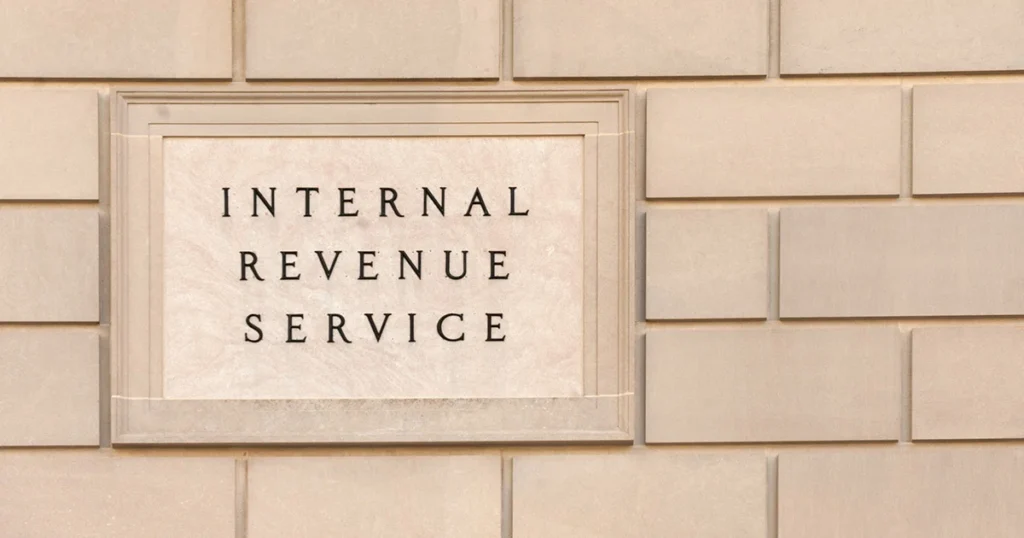
The American Institute of CPAs (AICPA) has issued a formal call to action to the Internal Revenue Service (IRS), urging the agency to overhaul its communication strategy regarding the CP53E notice. The notice, which was designed to facilitate the federal government’s transition away from paper-based financial instruments toward an all-digital payment infrastructure, has instead become a source of significant anxiety and administrative burden for millions of taxpayers and tax professionals.
In a June 9 letter addressed to Ken Corbin, the IRS Chief of Taxpayer Services, the AICPA detailed how a well-intentioned initiative—meant to streamline refund delivery—devolved into a logistical headache during the most recent filing season. With approximately 3 million notices dispatched, the scale of the confusion has prompted industry leaders to demand greater transparency and more precise targeting of these communications before the upcoming October 15, 2026, filing deadline for extended returns.
The Genesis of the CP53E: A Digital Transition
The CP53E notice was introduced by the IRS in response to Executive Order 14247, which mandates that federal agencies prioritize electronic payments over physical checks. The objective is to modernize the government’s fiscal operations, reduce the carbon footprint associated with paper processing, and provide taxpayers with faster access to their refunds.
Under the current protocol, the CP53E notice serves as a call to action for taxpayers to provide or update their banking details through their official IRS online accounts. The notice stipulates a 30-day window for compliance. If a taxpayer fails to respond within that timeframe, the IRS defaults to its legacy system, issuing a physical paper check after a six-week waiting period. While the logic behind the policy is sound from a fiscal efficiency perspective, the implementation has been marred by technical oversights and poor segmentation.
Chronology of the Disruption
The rollout of the CP53E during the 2026 filing season created an immediate ripple effect throughout the tax community. The following timeline outlines the progression of the issue:
- Pre-Filing Season: The IRS prepares the CP53E system, integrating it into the automated processing workflow to align with the push toward electronic deposits.
- Filing Season Launch: Millions of notices are mailed to taxpayers. Almost immediately, tax practitioners report a surge in inquiries from clients who are confused by the request for banking information, particularly those who were not expecting a refund or had already provided direct deposit data.
- The "Panic Phase": As the filing season hit its peak, both taxpayers and practitioners diverted significant resources to investigate the validity of the notices. Widespread fear of fraud—given the rise in sophisticated phishing schemes—led many to treat the official IRS correspondence as a potential security threat.
- Delayed Response: The IRS eventually provided clarifying guidance; however, the AICPA noted that this information was disseminated only after the filing season had effectively concluded, rendering the guidance moot for the millions who had already navigated the process in a state of uncertainty.
- Current Status: With the October 15, 2026, deadline for extended returns approaching, the AICPA is pushing for a systemic review to ensure the same errors are not replicated for the remainder of the 2026 cycle and the upcoming 2027 filing season.
The Scope of the Problem: Who Received the Notice?
The central criticism levied by the AICPA is not the existence of the notice itself, but the lack of precision in its distribution. The notices were not merely sent to taxpayers awaiting refunds; they were erroneously sent to a broad, indiscriminate demographic, including:
- Taxpayers with no refund due: Individuals who either had a balance due or reported no change in their tax liability were still prompted to provide banking details.
- Overpayment rollover accounts: Taxpayers who elected to apply their overpayments toward the following tax year were confused by the request for direct deposit information for a refund they had already redirected.
- Compliant taxpayers: Many individuals who had already provided accurate and current direct deposit information during the filing process were still hit with the CP53E notice, forcing them to re-verify information that the IRS already possessed.
The AICPA emphasized that this "shotgun approach" to communication placed an undue burden on tax professionals, who were forced to spend hours verifying the legitimacy of the notices for their clients. "In the middle of the filing season, taxpayers and practitioners were spending significant time, expense, and effort to determine the cause of these notices and whether such notices were erroneous or fraudulent," the AICPA stated.
Official Recommendations and the Path Forward
In its communication to Ken Corbin, the AICPA outlined a series of remedial actions. The primary recommendation is for the IRS to provide comprehensive guidance that clarifies exactly why a specific taxpayer is receiving a CP53E notice. The AICPA argues that if a notice is sent, it should clearly state the reason—for example, if previous direct deposit information failed or if the account details on file are outdated.
Furthermore, the AICPA has requested that the IRS clarify its limitations regarding the use of this data. Taxpayers are often wary of providing bank account details due to privacy concerns; by explaining exactly how the IRS secures this data and under what circumstances it is used, the agency could reduce public anxiety.
Preparing for the 2027 Filing Season
Looking beyond the October 15, 2026, deadline, the AICPA has suggested a more data-driven approach to the 2027 filing season. The organization posits that the IRS has sufficient data to identify "excepted taxpayers"—those who should not be receiving these notices—and to systematically exclude them from the mailing list.
By utilizing existing data to bypass the refund hold and suppress the generation of CP53E notices for these individuals, the IRS could achieve two goals:
- Operational Efficiency: Reducing the volume of unnecessary correspondence would allow the agency to allocate limited personnel and technological resources to more critical tax administration issues.
- Taxpayer Satisfaction: Eliminating the "false alarm" notices would restore trust in IRS communications and ensure that when a taxpayer does receive a notice, they know it requires their urgent and undivided attention.
Implications for Tax Administration
The CP53E controversy highlights the delicate balance between federal modernization and the realities of taxpayer interaction. As the IRS moves toward a more digital-first future, the risk of "automated confusion" grows. When systems are automated without sufficient safeguards or logic to account for specific taxpayer scenarios, the result is often a breakdown in the relationship between the regulator and the regulated.
The AICPA’s intervention serves as a reminder that tax administration is as much about human psychology and clear communication as it is about software and databases. For taxpayers, an IRS notice is a high-stakes event. When the agency fails to provide context or sends notices in error, it doesn’t just cause a minor inconvenience; it disrupts the entire ecosystem of tax compliance.
As the October deadline looms, the tax community is watching closely to see if the IRS will adopt the AICPA’s recommendations. A successful pivot here would not only smooth the transition for the remainder of the 2026 tax year but also set a standard for how federal agencies can modernize their infrastructure without compromising the experience of the citizens they serve.
For now, tax practitioners are advised to remain vigilant, continue vetting every notice received by their clients, and await further instructions from the IRS regarding potential system updates. The goal for both the AICPA and the IRS remains clear: to ensure that the transition to digital payments is a feature of a modern, efficient system, rather than a point of friction for the American taxpayer.