Powering Prosperity: How Constellation Energy’s Nuclear Infrastructure Drives Regional Economic Revitalization

In the modern energy landscape, the debate surrounding carbon-neutral power generation often centers on environmental metrics—emissions reductions, grid stability, and kilowatt-hour capacity. However, a parallel narrative is emerging that emphasizes the profound "multiplier effect" nuclear infrastructure exerts on regional economies. Constellation Energy (CEG), the nation’s largest producer of clean energy, has become the primary case study for this economic transformation, demonstrating that nuclear power plants act not merely as utilities, but as massive, capital-intensive engines for local commercial growth.
By funneling hundreds of millions of dollars into routine maintenance and refueling outages, Constellation is effectively revitalizing regional economies, injecting liquidity into local hospitality, retail, and service sectors while maintaining the backbone of the American power grid.
The Main Facts: Nuclear Energy as an Economic Catalyst
At the heart of the nuclear value chain lies the "refueling outage"—a period where a reactor is taken offline for maintenance, fuel replenishment, and technological upgrades. While these outages are operational necessities, they have evolved into significant economic events.
Constellation Energy’s strategy involves mobilizing thousands of specialized, high-wage workers—electricians, pipefitters, and welders—into local communities. These workers require lodging, food, and services for weeks at a time, creating a "pop-up" economic boom that benefits hotels, restaurants, and local small businesses. When combined with the facility’s long-term tax contributions and its role as a stable employer, the economic footprint of a single nuclear plant extends far beyond the utility sector, anchoring the prosperity of the surrounding region.
A Chronology of Recent Capital Injections
The economic impact of Constellation’s fleet is best illustrated by its recent activity in the Mid-Atlantic region. The company has demonstrated a consistent pattern of capital deployment that underscores its commitment to both operational longevity and regional economic health.
Spring 2026: The Limerick Clean Energy Center Milestone
In the spring of 2026, Constellation completed a critical refueling and maintenance outage at the Limerick Clean Energy Center in Pottstown, Pennsylvania. This was not a modest project; it represented a direct $90 million investment into the site. The influx of over 1,400 specialized contractors created a surge in local demand. Hotels in the Pottstown area reported peak occupancy, while regional retailers experienced a significant increase in transactional volume during the maintenance window.
March 2026: The Calvert Cliffs Upgrade
Preceding the Limerick project, the company concluded a major scheduled refueling outage at the Calvert Cliffs Nuclear Power Plant in Maryland. This project, which also involved an investment nearing $90 million, was focused on targeted facility upgrades designed to extend the plant’s reliability. By mobilizing over 1,500 skilled professionals, the company ensured that the plant would remain operational and uninterrupted for the next 24 months, securing both the energy supply and the regional economic stability that follows from such long-term planning.
Supporting Data: The Magnitude of Impact
To understand why nuclear infrastructure is a "force multiplier" for local economies, one must look at the data points that quantify this influence.
- Grid Contribution: The Limerick facility alone operates two boiling water reactors that generate 2,317 megawatts of zero-emission energy. This capacity is sufficient to power approximately 1.7 million homes, providing a foundational level of grid security that attracts other industries to the region.
- Tax Base Stability: Beyond temporary project-based spending, the facility serves as a massive pillar for local government funding. In 2026, the Limerick facility contributed $5.6 million in local property taxes. This revenue stream supports local schools, emergency services, and infrastructure, insulating the community from broader economic volatility.
- Workforce Mobilization: The mobilization of 1,400 to 1,500 skilled workers per outage represents a massive injection of high-disposable-income labor into the local ecosystem. These workers, often traveling from out-of-state, create a temporary but intense demand for local hospitality services, effectively subsidizing the local tourism and service industry during off-peak times.
Official Responses and Strategic Intent
Constellation Energy’s leadership has frequently cited the dual-benefit nature of these investments. By focusing on the "nuclear renaissance," the company is not only bolstering its own asset base but is actively positioning itself as an essential partner in community development.
"The investment in our facilities is an investment in the people who live and work in these communities," noted a company spokesperson. "When we perform a refueling outage, we are not just changing fuel rods; we are bringing a small city’s worth of economic activity to the region. We recognize that our operational success is inextricably linked to the health of the local economy."
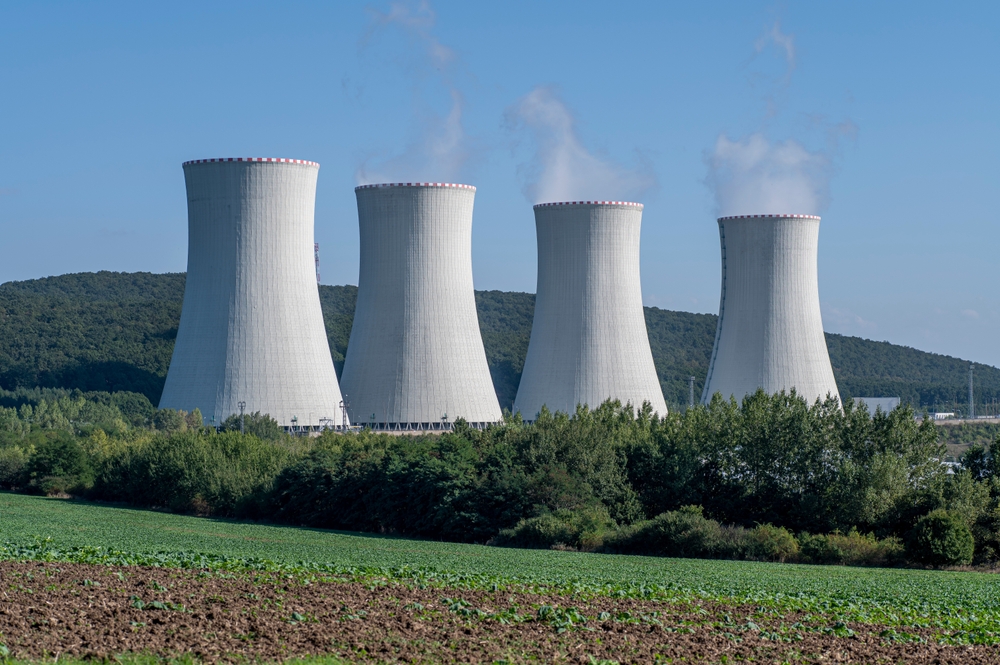
Industry analysts observe that this approach is intentional. By creating tangible local benefits, utilities gain stronger community support and political goodwill, which are essential for long-term licensing and operational longevity. This creates a virtuous cycle: the plant provides stable, clean power; the community supports the plant; and the plant’s capital-intensive maintenance projects keep the local economy humming.
The Broader Implications: The Nuclear Value Chain
The economic impact of Constellation Energy is merely a gateway into a broader investment theme: the Nuclear Value Chain. For investors looking to capture the upside of this renaissance, vehicles like the Range Nuclear Renaissance ETF (NUKZ) have emerged as a primary instrument.
Understanding the NUKZ Investment Thesis
NUKZ tracks the VettaFi Nuclear Renaissance Index (NUKZX), which offers comprehensive exposure to the nuclear sector. This includes not just utility providers like Constellation, but the companies that supply the fuel, the engineering firms that design the reactors, and the global infrastructure giants responsible for building them.
Key holdings in the NUKZ portfolio include:
- Cameco Corporation (CCJ): A global leader in uranium production, essential for the fuel cycle.
- GE Vernova (GEV): A critical player in the energy infrastructure space, providing the turbines and technological components that keep power plants running.
- Talen Energy Corp (TLN): A regional utility player that mirrors Constellation’s focus on the intersection of data centers and nuclear power.
- Rolls-Royce Holdings (RR.LN): A major innovator in Small Modular Reactor (SMR) technology, which represents the next frontier of nuclear scalability.
The Macroeconomic Shift
The implications of this investment trend are significant. As the world moves toward an AI-driven economy, the demand for "always-on" clean energy is surging. Data centers require massive, reliable power loads that renewables like wind and solar—which are intermittent—cannot provide on their own. Nuclear energy is the only carbon-free solution capable of meeting this demand.
Consequently, we are seeing a shift where nuclear utilities are becoming the "landlords" of the digital age. By securing these massive, reliable power bases, they are attracting hyperscale tech companies to locate facilities near their plants. This creates a secondary layer of economic development: high-tech job creation, infrastructure investment, and long-term tax base expansion.
Conclusion: A New Era of Energy Economics
The narrative of nuclear energy is shifting. It is no longer just about carbon abatement; it is about economic foundationalism. Through massive capital expenditures, as seen in the $90 million projects at Limerick and Calvert Cliffs, Constellation Energy is proving that the nuclear industry is a cornerstone of American economic resilience.
For the investor, the local community, and the national grid, the message is clear: the renaissance of nuclear energy is not just a technological transition—it is an economic revitalization. As the NUKZ ETF and the underlying companies continue to deploy capital into the nuclear value chain, the ripple effects of this investment will continue to reshape the economic geography of the United States.
Investors and policy observers alike should look toward these regional hubs as the test cases for a future where energy security and local economic prosperity are one and the same. Whether through the direct impact of maintenance jobs or the long-term stability of tax revenues, the nuclear industry is asserting itself as the engine that will power the next century of American growth.
Disclaimer: VettaFi LLC is the index provider for NUKZ and receives an index licensing fee. NUKZ is not issued, sponsored, endorsed, or sold by VettaFi. This article is for informational purposes only and does not constitute financial advice. Always conduct your own research before making investment decisions.