The Strategic Pivot: Why Proactive Investors Are Abandoning the "Wait-and-See" Rate Strategy
For the better part of 2026, the real estate investment community has been caught in a paralyzing loop. Thousands of potential investors are currently sidelined, keeping their capital in high-yield savings accounts, refreshing the latest Federal Reserve bulletins, and waiting for the elusive signal that mortgage rates have finally retreated to the sub-5% mark. The logic is seemingly bulletproof: why commit to a 7% interest rate when you could potentially secure a 5% rate by waiting a few more months?
However, seasoned market analysts and successful portfolio builders argue that this "wait-and-see" approach is fundamentally flawed. By the time interest rates reach the "comfortable" levels investors are dreaming of, the macroeconomic landscape will have shifted in ways that make deals significantly harder to secure. The quiet, buyer-friendly market of today will likely evaporate, replaced by a surge of pent-up demand, bidding wars, and rising property prices that negate any savings gained from a lower interest rate.
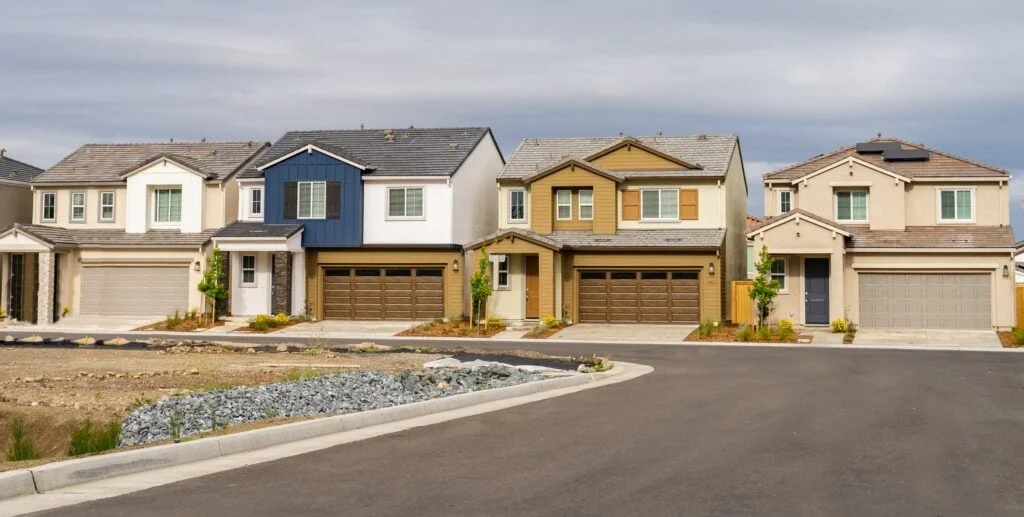
While the masses wait, a smaller, more tactical group of investors has shifted their strategy. They aren’t betting on the Fed; they are manufacturing their own financing conditions by targeting new construction. By leveraging builder concessions and specialized financing structures, these investors are currently closing deals with rates in the low 4%—and occasionally high 3%—range, effectively insulating themselves from the broader interest rate environment.
The Illusion of the "Standard" Rate
As of mid-2026, the investment property landscape is dominated by interest rates hovering between 7.1% and 7.6%. This premium—roughly 50 to 100 basis points higher than what owner-occupants pay—acts as a persistent tax on the real estate investor. For those looking at traditional resale properties, these figures often make the math impossible. When a property’s cash flow is reduced to a nominal $40 per month after accounting for these rates, the risks of vacancy, maintenance, and capital expenditures (CapEx) outweigh the potential rewards.
The fatal error for most investors is treating the advertised rate as a fixed constraint. In the new construction sector, the "sticker rate" is merely a starting point for negotiation. Unlike private sellers, large-scale builders face the existential pressure of carrying costs on finished, unsold inventory. Every month a property sits empty, it drains the builder’s capital. Yet, builders are notoriously hesitant to slash list prices, as doing so would negatively impact the appraisal comps for the remaining units in their developments.
This tension creates a unique opening for the savvy investor: the builder credit.
The Mechanics of the "Invisible" Rate Buy-Down
Builders prefer to offer closing credits—often ranging from $10,000 to $30,000—rather than lowering the base purchase price. While the average buyer might use these credits for cosmetic upgrades or closing cost assistance, the high-level investor views them as tactical ammunition.
By directing these builder concessions toward a permanent interest rate buy-down, an investor can significantly alter the property’s debt service. This process involves paying an upfront fee to the lender to "buy down" the interest rate over the life of the loan. When combined with the builder’s money, the investor effectively offloads the cost of financing to the developer, securing a 4% interest rate in a 7% market.
Two Paths to Success:
- The Permanent Buy-Down: Utilizing the full weight of builder concessions to lower the note rate for the entire 30-year term. This provides maximum cash flow protection and long-term stability.
- The Temporary Buy-Down (e.g., 2-1 or 3-2-1): Using concessions to lower the rate for the first two or three years. This is a common strategy for investors who anticipate that refinancing will become a viable option once the broader market rates eventually correct, allowing them to capture lower payments today while maintaining flexibility for the future.
Beyond the Rate: The New Construction Advantage
The preference for new construction isn’t just about the interest rate; it’s about the structural superiority of the asset class.
Capital Efficiency and Leverage
Standard investment properties often require 20% to 25% down payments, which can trap significant amounts of capital. Many build-to-rent (BTR) programs allow for down payments as low as 5%. This disparity is massive: on a $280,000 home, the difference between a 5% and 25% down payment is $56,000. For an investor with a $100,000 budget, that $56,000 of retained liquidity is the difference between purchasing one property and purchasing four. In the game of real estate, where leverage is the primary engine of wealth, this capital efficiency is the true driver of long-term returns.
The "Capex Cliff" vs. Modern Reliability
One of the most insidious killers of cash flow in resale properties is deferred maintenance. The "charming" older home often hides a ticking clock: a roof, an HVAC system, or a plumbing stack that will require replacement within the first 24 months of ownership.
New construction eliminates this "Capex Cliff." Everything is brand new, built to the latest energy codes, and backed by comprehensive builder warranties. Furthermore, modern construction is inherently more attractive to high-quality tenants. While amateur investors might romanticize "character," professional tenants demand reliability. A home with an efficient HVAC system, modern insulation, and zero deferred maintenance commands higher rents and experiences lower turnover, providing a more stable and predictable income stream.
Comparative Analysis: Resale vs. New Construction
To understand the financial implications, consider two hypothetical properties in a growing suburban market:
The Resale Scenario:
- Price: $270,000
- Down Payment (25%): $67,500
- Interest Rate: 7.5%
- Monthly Cash Flow: $85 (after debt service and reserves)
- Maintenance Risk: High (1980s build)
The New Construction Scenario:
- Price: $280,000
- Down Payment (5%): $14,000
- Interest Rate (with buy-down): 4.2%
- Monthly Cash Flow: $325
- Maintenance Risk: Negligible (10-year structural warranty)
The resale property appears cheaper on paper, but the "cash-on-cash" return of the new construction property is vastly superior. By deploying less capital upfront and achieving a lower monthly payment, the investor creates a safety buffer that is simply not present in the resale market.
Leveraging DSCR Financing
For the W2 earner or the investor with a high debt-to-income (DTI) ratio, traditional financing can be a bottleneck. This is where Debt Service Coverage Ratio (DSCR) loans become a powerful tool. DSCR loans underwrite the mortgage based on the property’s rental income rather than the borrower’s personal tax returns. Because new construction properties typically command premium rents and exhibit lower operating expenses, they often "pencil" better for DSCR lenders. This allows investors to scale their portfolios without the restrictive underwriting hurdles that often stall growth for residential borrowers.
Turnkey Solutions and Market Reach
The primary obstacle for most investors—especially those interested in new construction—is the logistical challenge of managing a build 1,000 miles from home. This is the value proposition of modern "turnkey" providers. Companies like Rent to Retirement have streamlined this process by integrating financing, construction, and property management into a single ecosystem.
Instead of managing contractors, site inspections, and municipal permits, the investor acts as an asset manager. They are purchasing a finished, tenant-ready income stream. In a volatile economic climate, the ability to outsource the "headache" of real estate while retaining the benefits of ownership is a significant competitive advantage.
Implications: The Strategic Window is Closing
The current market environment offers a rare convergence of events: high builder motivation, available concessions, and a lack of competition from hesitant buyers. However, this window is not permanent.
As the Federal Reserve eventually signals a shift in monetary policy, the "wait-and-see" crowd will rush back into the market. When that happens, the builder credits will vanish, the buy-down opportunities will disappear, and the bidding wars will return with force. The investors who are moving today are effectively locking in terms that will be unavailable in six to twelve months.
The Bottom Line
Real estate success is rarely about timing the bottom of the market to the exact day; it is about recognizing when the structural incentives are in your favor. If you are waiting for the "perfect" rate, you are likely missing the "perfect" deal. By pivoting toward new construction and utilizing builder-funded rate buy-downs, investors can effectively manufacture their own favorable economic environment, regardless of what the headlines say.
The deal does not get better when money becomes cheap; it only gets more expensive and more crowded. Buy the inventory while the incentives are still on the table.