The Hidden Realities of Pet Ownership: A Lesson in Compassion, Cost, and Boundaries
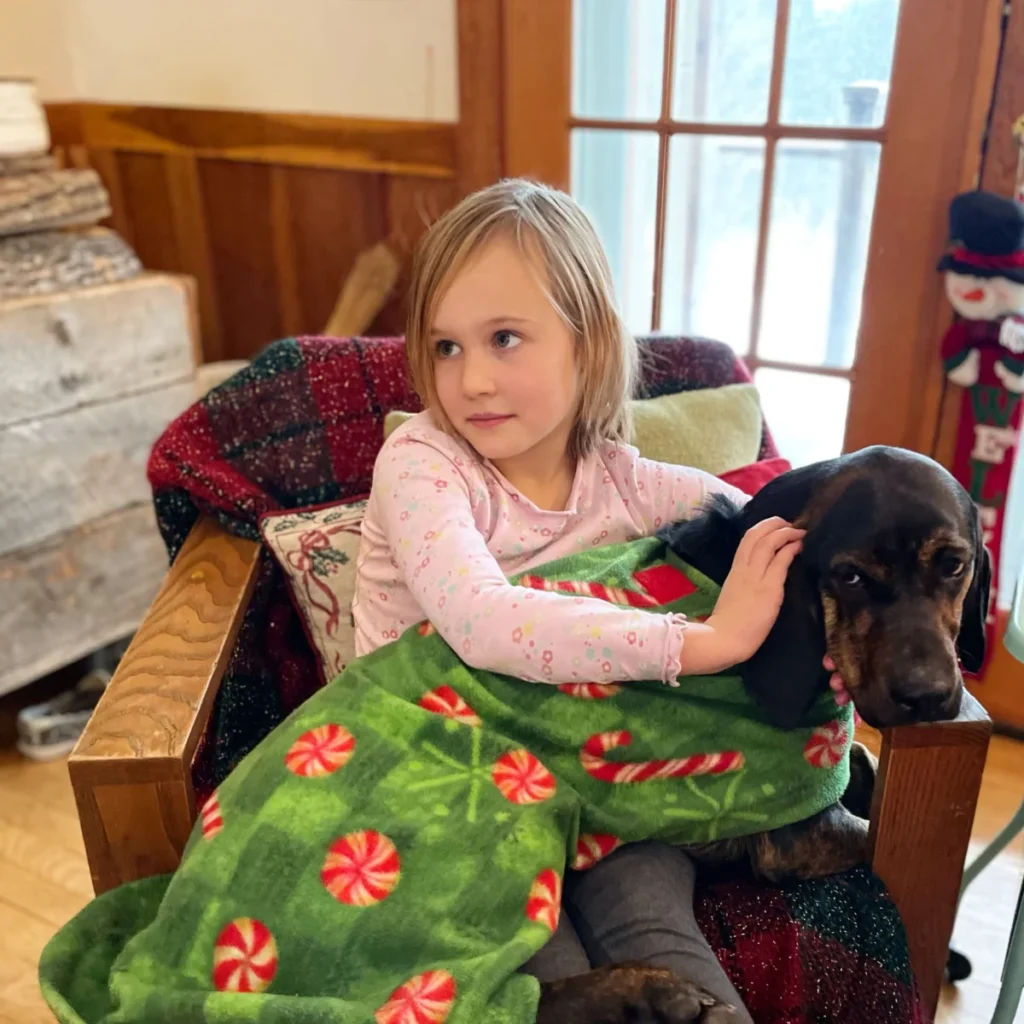
For many families, the addition of a dog is synonymous with the traditional image of the American dream—a furry companion to complete the household. However, beneath the surface of social media highlights and heartwarming adoption stories often lies a complex, taxing, and emotionally draining reality that few are prepared to navigate. Recently, a poignant story of a failed adoption has sparked a broader conversation about the boundaries of pet ownership, the unforeseen financial burdens of rescue animals, and the difficult reality of prioritizing family needs.
The Unexpected Arrival: A Search for Home
In late September 2022, a stray hound—later named Genevieve, or "Gigi"—was discovered in a friend’s yard. She was found in a state of severe neglect: emaciated, covered in scratches, and lacking any form of identification. Despite an exhaustive effort by the finders and potential adopters to locate an owner through local advertisements and veterinary microchip scans, the trail remained cold.

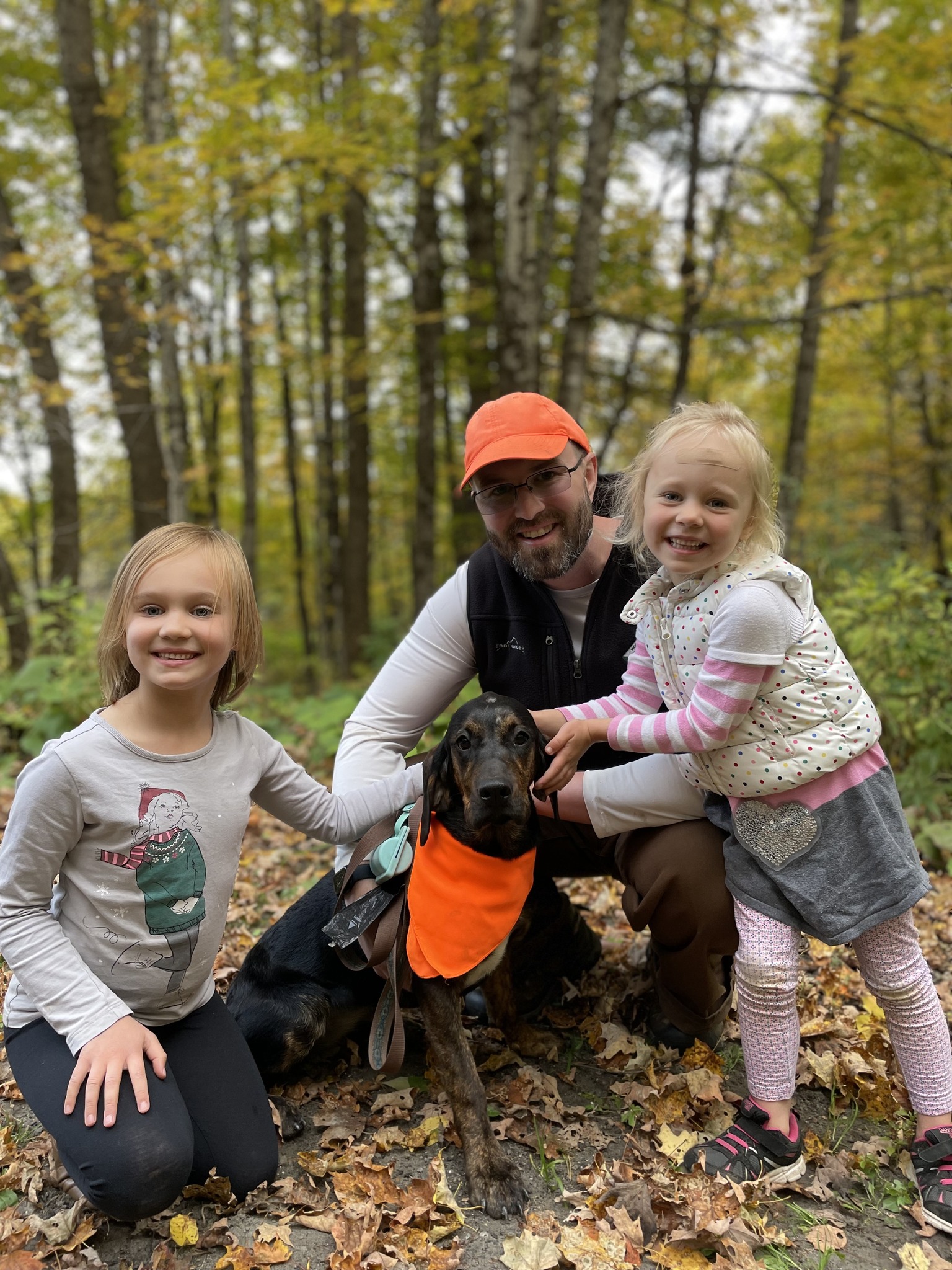
The theory among those involved was that Gigi had been a bear-hunting dog who, through the rigors of the hunt, had become separated from her pack. When the temporary caretakers could no longer house her due to existing pets, the decision was made to bring her into a new home. On October 3, 2022, Gigi officially joined a new family, bringing with her a gentle demeanor, a love for hiking, and an immediate bond with the household’s children. Yet, this honeymoon period was destined to be short-lived, as a critical behavioral issue emerged: Gigi could not be left alone under any circumstances.
The Cannot-Be-Left-Alone Saga: A Chronological Struggle
The struggle to integrate Gigi into a normal, functioning household was not for lack of effort. Her owners treated the situation with the diligence of professional trainers, moving through three distinct phases of intervention.
Phase 1: Behavioral Modification
The family began with traditional crate training, a method that had been successful with their previous dog. While Gigi accepted the crate as a safe space for napping and retreating from the children, the dynamic shifted entirely the moment the house went silent. Any attempt to leave her alone—even for as little as five minutes—resulted in a full-blown panic attack. Professional trainers were consulted, but even after consistent, methodical desensitization exercises, the dog’s anxiety remained unmanageable.
Phase 2: The Technological Pivot
Desperate to bridge the gap between their family life and the dog’s needs, the owners turned to technology. They installed observation cameras and, eventually, remote treat-dispensing systems. The goal was to provide positive reinforcement for calm behavior. Despite the high-tech intervention, the result was the same: Gigi’s separation anxiety was too deep-seated to be mitigated by remote gadgets.

Phase 3: The Medical Intervention
Finally, the family sought veterinary assistance. A cycle of prescription anti-anxiety medications, sedatives, and tranquilizers followed. Each visit to the vet was met with hope, only to be followed by the same reality: the medications were ineffective. The physical toll on both the home and the animal—characterized by the dog’s relentless pacing and the owners’ constant cycle of cleaning—led to a heartbreaking realization: the situation was not sustainable.
Financial Transparency: The True Cost of Rescue
One of the most eye-opening aspects of this ordeal was the financial impact. While many prospective pet owners focus on adoption fees and initial supplies, the hidden costs of managing a special-needs animal can be staggering. The family documented their expenses over the four-month period they housed Gigi, totaling $2,373.25.

A Breakdown of Expenditures
- Veterinary Care: Including vaccinations, de-worming, testing, and multiple medication trials, the family spent over $900 on medical care alone.
- Support Costs: $600 was donated to the rescue organization to cover the costs of spaying and processing the transfer.
- Equipment: Technology, such as the camera and treat dispenser, combined with training supplies and hiking gear, accounted for over $300.
- Daily Maintenance: Food, treats, toys, and miscellaneous items like dog booties and a holiday stocking added hundreds more to the tally.
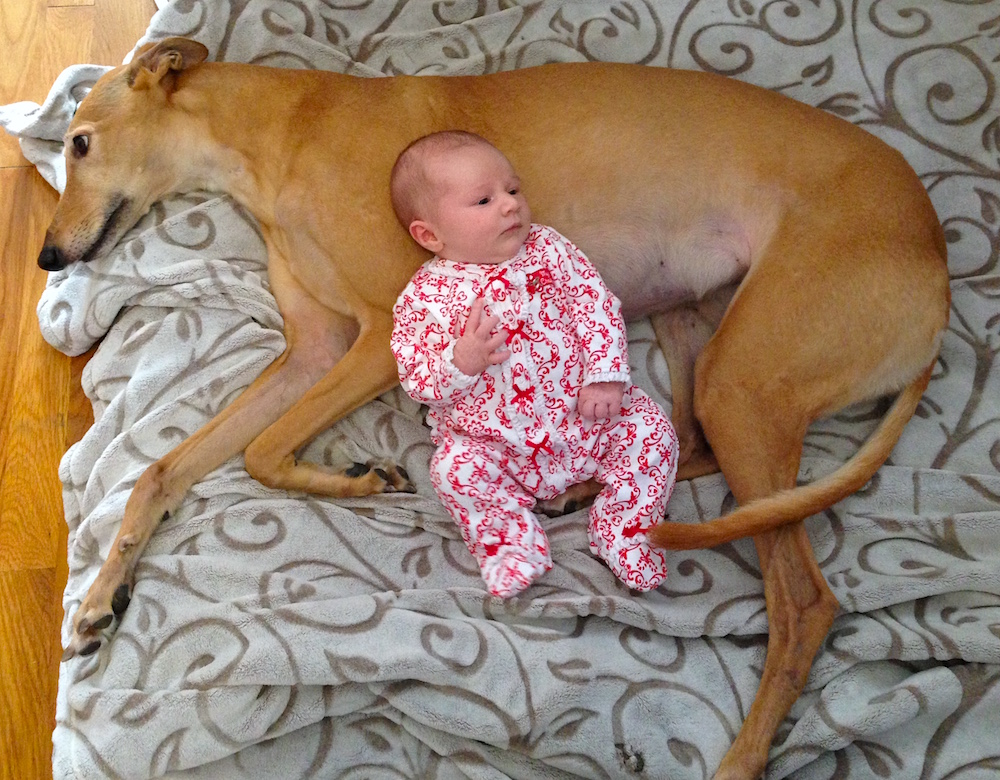
By comparison, the family’s previous pet, a greyhound named Gracie, cost approximately $930 annually. The Gigi experience served as a sobering reminder that while love is free, the logistical and financial overhead of an animal in distress can be a significant burden.
The Decision to Rehome: Implications for Family Wellness
After four months of trying to "fix" the problem, the owners were forced to acknowledge a painful truth: they were sacrificing their family’s ability to live an active life. Because one parent was effectively tethered to the house at all times, the children missed out on school events, group excursions, and family travel. The atmosphere of the home was shifting from one of joy to one of pressure and resentment.
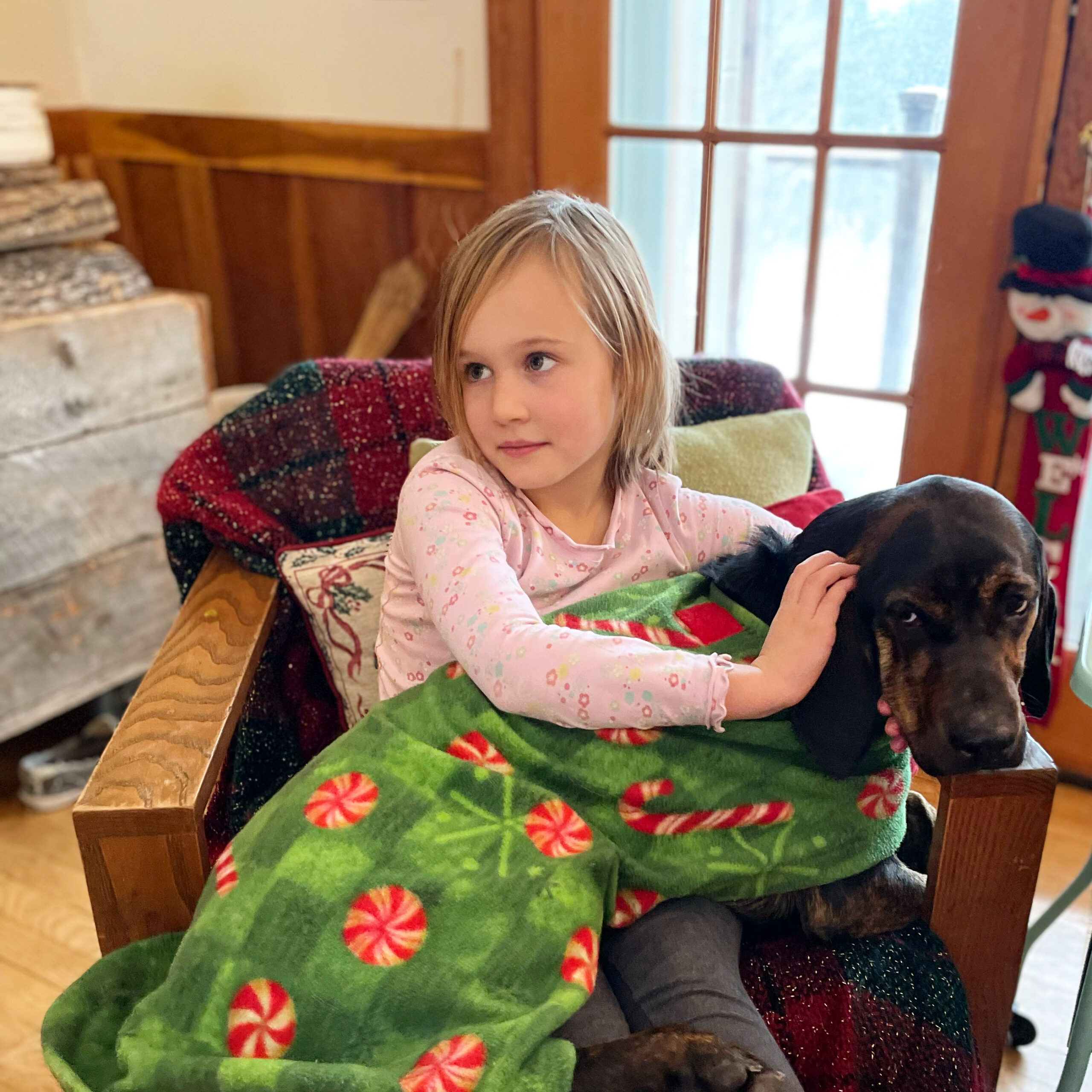
The decision to rehome Gigi was made not out of malice, but out of a recognition of limitations. The family located a foster-based rescue that specialized in pack animals. Through this organization, they learned that Gigi’s anxiety was not a failing of her new owners, but a fundamental trait of her background. Gigi thrived when placed with other dogs, proving that her separation anxiety was a reaction to being isolated from a "pack." She was subsequently adopted by a family with several other dogs, where she is reportedly doing well.
Lessons Learned: Priorities and Boundaries
The owners reflect on this experience with a mixture of grief and clarity. They admit that they "rushed into dog ownership," letting their hearts override the practical realities of their family’s lifestyle. This experience did not turn them against pet ownership, but it fundamentally changed their approach to it.

They have since adopted a "part-time" model: dog-sitting for friends. This allows them to enjoy the companionship and "cute antics" of a dog without the long-term, 24/7 commitment that their current family stage—prioritizing their children’s development and exploration—does not support. They have learned that for some families, at some times, the best way to love a dog is to be an "aunt" or "uncle" rather than a primary owner.
A Note on External Resilience
The article concludes with a brief, poignant acknowledgment of the broader context of their lives. Amidst the personal struggle with the dog, the family faced environmental challenges, specifically the recent flooding in Vermont. While their home remained dry, the infrastructure—specifically their long driveway—sustained significant damage. This serves as a metaphor for the family’s journey: even when the foundation remains intact, the path to maintaining a stable, happy life is often subject to unexpected, costly, and torrential challenges.
Ultimately, the story of Gigi is not a cautionary tale against adoption, but a testament to the fact that responsible pet ownership sometimes means knowing when you cannot provide what an animal needs. It is a lesson in the grace of admitting limitations, the importance of prioritizing family mental health, and the reality that in the complex ecosystem of modern life, our reach occasionally exceeds our grasp.