DogeOS Launches Public Testnet, Aiming to Transform Dogecoin from a Meme Currency Into a Layer-2 Smart Contract Ecosystem
Main Facts
Dogecoin is undergoing what may be its most ambitious technical evolution to date. On Wednesday, DogeOS officially opened the public testnet for its revolutionary Dogecoin application layer. Founded by the creators of the MyDoge wallet, DogeOS is designed to function as an Application Layer rollup network operating via a zero-knowledge Virtual Machine (zkVM).
While Dogecoin continues to serve as the secure, decentralized base ledger (Layer-1), DogeOS introduces the software capabilities traditionally associated with smart-contract-enabled networks like Ethereum. The platform is fully Ethereum Virtual Machine (EVM)-compatible, allowing developers to seamlessly deploy self-executing smart contracts, utilize existing Web3 wallets, and run decentralized applications (dApps) without altering the foundational code of Dogecoin.
Transactions and network fees on the DogeOS testnet are paid natively in DOGE, and the project’s testing faucet distributes 42.069 test DOGE per day to developers. Several decentralized finance (DeFi), gaming, and utility protocols are already building on the testnet. These include Superposition Finance (a crypto-backed lending protocol), Derps (a perpetual trading exchange), USDoge (a CDP-backed stablecoin), Snag (a prediction market aggregator), and PlaysOut (a casual mini-game publisher).
Although the public testnet marks a major milestone for the Dogecoin community, developers have not yet announced a firm timeline for the mainnet launch, which will eventually process real capital.
Chronology: The Evolution of Dogecoin and DogeOS
2013: A Joke That Sparked a Movement
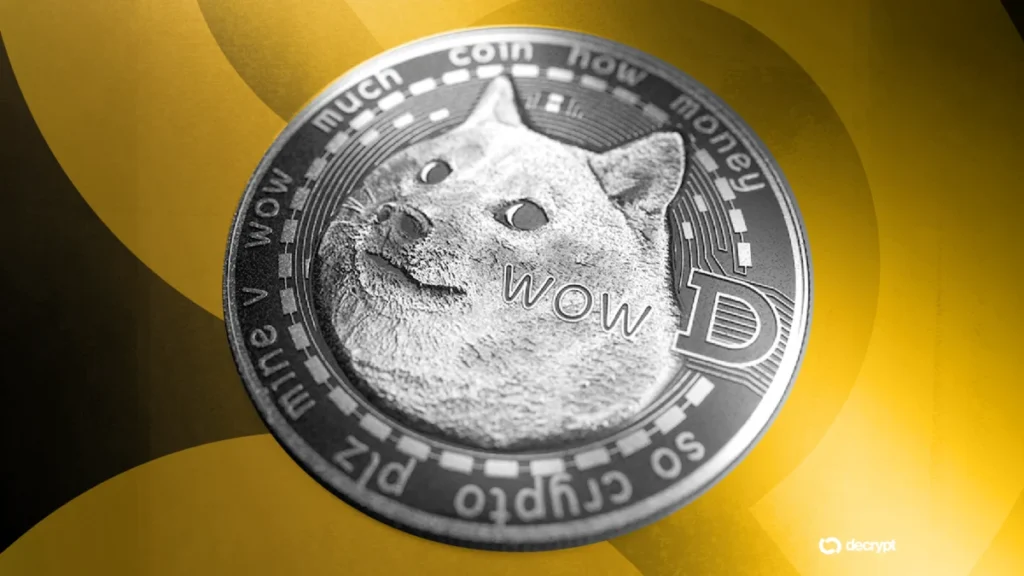
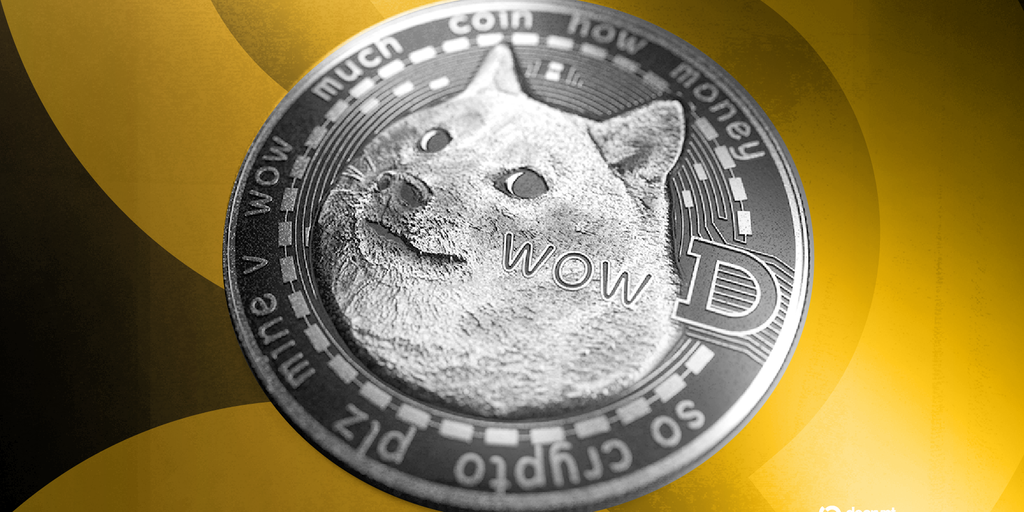
Dogecoin was originally launched in December 2013 by software engineers Jackson Palmer and Billy Markus. Conceived primarily as a lighthearted satirical take on the burgeoning cryptocurrency market—and famously branded with the Shiba Inu "Doge" meme—the network was designed as a peer-to-peer digital currency utilizing a proof-of-work consensus mechanism. Despite its humorous origins, Dogecoin quickly captured public imagination, cultivating a passionate, global community and eventually cementing itself as a multi-billion-dollar digital asset.
July 2025: Proposing Zero-Knowledge Infrastructure
As the broader blockchain landscape matured toward Layer-2 scaling and zero-knowledge (ZK) cryptographic proofs, the DogeOS team submitted a formal proposal in July 2025 to introduce ZK technology to Dogecoin. Because Dogecoin lacks formal, centralized on-chain governance, implementing core protocol changes requires careful contributor reviews, broad community consensus, thorough security audits, and widespread miner signaling—a notoriously slow process that often frustrates developers looking to rapidly scale network utility.
Late 2025: Expanding Utility and Mini-Game Publishing
Recognizing the limitations of base-layer modifications, developers pivoted toward building external execution layers. By late 2025, mini-game publisher PlaysOut outlined plans to introduce roughly 15 Doge-themed casual games to the ecosystem, signaling an early push toward interactive consumer applications and real-world utility well before the official debut of the DogeOS testnet infrastructure.
Wednesday: The Public Testnet Launch
DogeOS officially opened its public testnet to developers and early adopters worldwide. The launch introduced the ecosystem’s core technical stack, including EVM compatibility, zkVM verification math receipts, and initial protocol integrations spanning decentralized lending, perpetual futures, stablecoin minting, and prediction markets.
Supporting Data & Ecosystem Overview
To understand the scope of the DogeOS deployment, it is vital to examine the metrics, technical parameters, and current market conditions surrounding the Dogecoin network.
Technical Parameters of DogeOS
- Architecture: Application Layer rollup network operating on a zero-knowledge Virtual Machine (zkVM).
- Compatibility: Ethereum Virtual Machine (EVM), allowing Ethereum-native smart contracts, developer tooling, and wallets to function seamlessly.
- Base Asset / Gas Token: DOGE acts as the native fuel for transactions on the network.
- Testnet Faucet Distribution: 42.069 test DOGE per user daily for testing and development.
- Base-Layer (L1) Status: Untouched; Dogecoin continues to function purely as a decentralized settlement and security ledger, preserving its foundational consensus rules.
Early Ecosystem Protocols on the Testnet
- Superposition Finance: A decentralized lending protocol enabling users to borrow assets against deposited crypto collateral.
- Derps: A perpetual exchange designed for leveraged price speculation without contract expiration dates.
- USDoge: A collateralized debt position (CDP) stablecoin protocol designed to maintain a stable peg through locked digital asset collateral.
- Snag: A prediction market aggregator allowing users to speculate on real-world outcomes.
- PlaysOut: A casual Web3 gaming publisher integrating interactive, Doge-themed mini-games into the ecosystem.
Macro Market Context
The push to expand Dogecoin’s capabilities arrives during a challenging macroeconomic and technical period for the asset. Despite the landmark introduction of multiple Dogecoin exchange-traded funds (ETFs) that allow traditional retail and institutional investors to gain exposure through conventional brokerage accounts, Dogecoin’s price has struggled. The asset remains locked in a confirmed bearish market trend, sitting roughly 75% below its historical all-time high. Industry analysts suggest that introducing robust utility, smart contract execution, and decentralized finance applications could help shift market perception from a purely speculative meme asset to a productive, utility-driven economic network.
Official Responses
The launch of the DogeOS testnet has drawn significant commentary from key figures across the Dogecoin development and foundation ecosystem, emphasizing the careful balance between innovation and core blockchain security.
Jordan Jefferson, founder and CEO of DogeOS, framed the public testnet launch as a watershed moment for the network’s identity and long-term viability:
"Today marks the beginning of Dogecoin’s evolution from asset to ecosystem."
Timothy Stebbing, director of the Dogecoin Foundation, underscored the importance of maintaining the integrity of the underlying blockchain while empowering developers to innovate on secondary layers:
"L1 ledger purity must stay intact while we introduce utility one layer above, and that is what DogeOS represents to me."
These statements highlight a shared industry consensus: while expanding use cases is vital for Dogecoin’s survival and relevance in a crowded smart-contract market, protecting the simplicity, security, and decentralization of the base-layer ledger remains paramount.
Implications: What DogeOS Means for the Future of Dogecoin
The rollout of the DogeOS public testnet carries profound implications for the future trajectory of Dogecoin, developers, and the broader cryptocurrency industry.
1. Bridging the Meme-to-Utility Divide
For over a decade, critics have dismissed Dogecoin as a speculative instrument devoid of fundamental utility, pointing to its lack of smart contract capabilities compared to competitors like Ethereum, Solana, and Cardano. By introducing an EVM-compatible Layer-2 rollup network, DogeOS bridges this gap. Developers can now build sophisticated decentralized applications—ranging from automated lending markets to complex derivatives trading—leveraging the immense brand recognition and liquidity of the Dogecoin community.
2. Preserving Decentralization via Layer-2 Scaling
Attempting to hard-fork or fundamentally modify Dogecoin’s Layer-1 code to support complex applications is impractical. Dogecoin’s lack of formal on-chain governance means that protocol upgrades require arduous coordination among miners, core developers, and community nodes. By keeping the base ledger clean and pushing execution to a zero-knowledge rollup layer, DogeOS achieves scalability and advanced functionality without risking consensus splits or compromising the security of the primary network.
3. Re-igniting Developer Interest and Liquidity
The integration of established DeFi primitives (Superposition, USDoge, Derps) and consumer-facing entertainment (PlaysOut) transforms DogeOS into a sandbox for creative financial engineering. If the testnet successfully transitions to a secure mainnet environment, it could unlock billions of dollars in dormant DOGE capital, drawing yield-seeking investors and independent developers back into the Dogecoin orbit.
4. Overcoming Bearish Momentum
While macroeconomic financial instruments like Dogecoin ETFs provide traditional market access, they do not inherently generate network activity or internal economic velocity. DogeOS addresses this limitation by fostering native on-chain demand. By turning DOGE into an active gas token required for executing smart contracts, borrowing assets, and playing games, the ecosystem creates organic utility that may help insulate the asset against prolonged bearish cycles.
Looking Ahead
As developers begin stress-testing the DogeOS infrastructure, evaluating zero-knowledge math proofs, and deploying experimental dApps, the crypto world will be watching closely. While a mainnet launch date has not yet been established, the successful deployment of the public testnet proves that the community behind the world’s most famous meme coin is actively building a sophisticated, multi-layered future.