From Beach Cleaning to 70 Doors: The Unconventional Rise of Joshua Settimio
For many aspiring real estate investors, the “first deal” is a looming specter—a terrifying hurdle that keeps them trapped in a cycle of analysis paralysis. The fear of inheriting a “money pit,” dealing with non-paying tenants, or facing the cold rejection of bank loan officers is enough to sideline even the most ambitious beginners for years. However, the journey of Joshua Settimio, featured on a recent episode of the Real Estate Rookie podcast, serves as a masterclass in resilience, demonstrating that a messy start can indeed be the catalyst for a thriving, multi-property portfolio.
Settimio’s trajectory is not a linear path of textbook success. Instead, it is a story of grit, creative financing, and the willingness to learn in the trenches. Today, he manages a portfolio of approximately 70 properties across four different partnerships, proving that while the first deal doesn’t have to be perfect, it must be educational.
The Foundation: Beach Service and Early Exposure
Settimio’s interest in real estate was not born in a boardroom, but on the sun-drenched beaches of the Gulf Coast. During high school and college, he worked for a beach rental company, where he gained firsthand exposure to the mechanics of property management.
"I was paid to be around the flow of money," Settimio recalls. He spent his days cleaning million-dollar oceanfront homes, often working alongside the owner. This proximity to success allowed him to observe a lifestyle defined by autonomy and asset management rather than the traditional nine-to-five grind. While his peers were focused on summer leisure, Settimio was absorbing the fundamentals of hospitality and property maintenance, planting the seeds for his future career.
The Pivot: From Gridiron to Real Estate
Settimio’s path took an unexpected turn when he moved to Arkansas to play college football. A significant injury forced him to reconsider his future, shifting his focus from athletics to business and psychology. This period of transition served as his professional training ground.
Rather than waiting for opportunities to come to him, Settimio began "manufacturing" them. He secured a unique internship at a local apartment complex by simply walking up to the property manager and asking to shadow him. This audacity—the willingness to ask for an opportunity where none officially existed—became a recurring theme in his career. It taught him that value creation is often a matter of proximity and initiative.
The First Deal: A $38,000 Trial by Fire
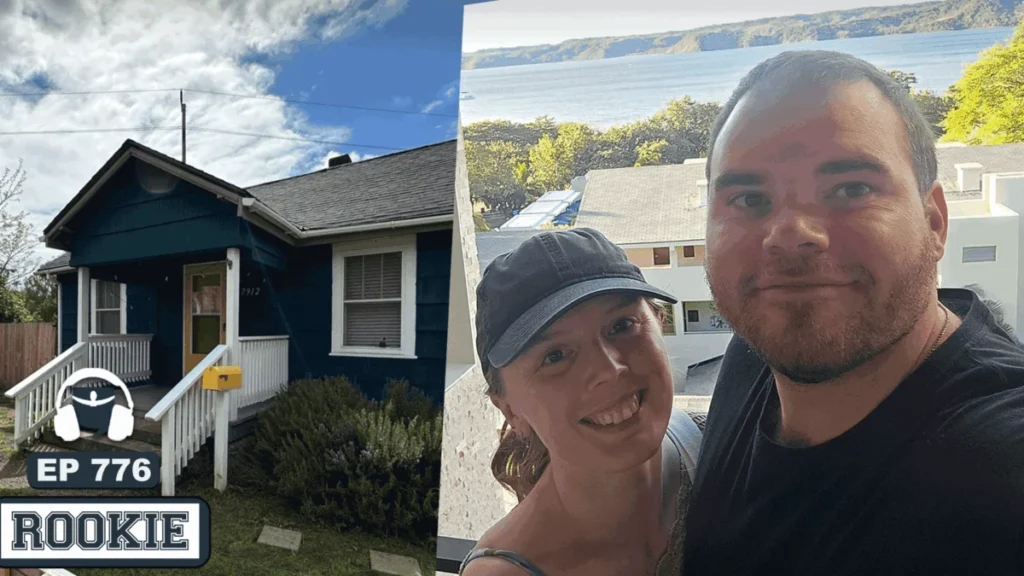
After graduation and obtaining his real estate license, Settimio found himself in the common predicament of the "new agent": he had the knowledge, but not the bank-backed history required for a traditional commercial loan. His first acquisition was not a turnkey property; it was a $38,000 fixer-upper plagued by a termite infestation and a tenant who had not paid rent in over a year.
Chronology of the Acquisition
- The Opportunity: While working at his brokerage, Settimio learned of a property that was essentially unmarketable due to the hostile tenant living inside.
- Creative Financing: Realizing no bank would lend to a six-month-old 1099 professional, Settimio proposed a seller financing arrangement. He convinced the owner, who had received zero income from the property for 18 months, that he could resolve the situation.
- The Eviction Process: Without the budget for an attorney, Settimio educated himself on local landlord-tenant laws. By consistently serving legal notices and maintaining professional boundaries, he successfully navigated the eviction process, eventually getting the tenant to vacate voluntarily.
- The Rehab: The property sat vacant for several months as Settimio and his wife performed a grueling, hands-on renovation. They discovered significant structural issues, including rotting floor joists caused by low clearance to the ground.
- Refinancing: After 12 months of sweat equity and meticulous record-keeping, Settimio presented a comprehensive business plan to a local bank. Armed with an "as-completed" appraisal, he secured financing, paid off the seller-financed note, and pulled enough equity to fund his next two purchases.
Supporting Data and Strategic Lessons
The success of Settimio’s strategy lies in his departure from "perfectionism." He acknowledges that he did not have all the answers when he began. His education came from the BiggerPockets community, online forums, and the direct feedback of local contractors.
- The Power of Proximity: By working as a real estate agent and property manager, Settimio surrounded himself with mentors who were years ahead of him. This provided him with a "cheat sheet" for common problems.
- The "As-Completed" Appraisal: This financial tool was the turning point. It allowed the bank to value the property based on its future potential rather than its current, dilapidated state, bridging the gap between a high-risk purchase and a bankable asset.
- Debt Management: Settimio employed a strategy of rounding up his mortgage payments and paying bi-weekly. This aggressive approach to debt reduction accelerated his equity growth, providing the capital necessary to scale his portfolio rapidly.
Official Perspectives on Landlord Principles
During the podcast, hosts Ashley Kehr and Tony J. Robinson emphasized the importance of the "monkey" analogy Settimio used: never let a tenant’s problems become your own. Settimio’s experience with his first tenant taught him the vital distinction between empathy and business boundaries.
"There is an empathetic way to approach a tenant, but you have to recognize that this is a business with cap rates and cash flow," Settimio explained. His approach is rooted in the "free market" philosophy—treating tenants with dignity, but strictly enforcing the lease agreements that keep the business operational. He notes that in many cases, he has found that being firm is actually the most compassionate way to manage a property, as it prevents the situation from spiraling into a catastrophic loss for both parties.
Implications for Future Investors
Settimio’s story carries several critical implications for those currently standing on the sidelines:
- Stop Waiting for Perfection: The "perfect" deal is a myth. Success in real estate is defined by the ability to solve problems, not the absence of them.
- Leverage Your Network: If you feel like you are on an island, you are likely not looking hard enough. By inserting himself into the local real estate ecosystem—even as an intern or a low-level agent—Settimio gained access to deals that were never listed on the open market.
- Scalability is a Habit: What began as a $38,000 termite-ridden house has evolved into a 20-unit complex purchase. Each deal provided the capital and the confidence to take on the next, larger project.
Settimio is currently preparing to acquire his largest asset to date: a 20-unit former motel that he and his wife plan to rezone and operate as long-term rentals. This jump from a single-family starter home to a commercial-sized project is the ultimate proof of his philosophy.
Conclusion
The journey of Joshua Settimio serves as a necessary reality check for the industry. Real estate is rarely a smooth, upward trajectory. It is often defined by long months of vacancy, unexpected structural repairs, and the mental tax of dealing with difficult situations. However, as Settimio proved, if you are willing to learn, adapt, and consistently show up, the "money pit" can indeed become the bedrock of a successful career. For the rookie investor, the lesson is clear: don’t let the fear of a rough start stop you from building the life you want. The market rewards those who stay in the game long enough to see their problems solved.