The High Cost of Compassion: A Candid Look at the Challenges of Rescue Dog Ownership

For many families, the addition of a dog is seen as the final piece of the domestic puzzle—a source of joy, companionship, and lessons in responsibility. However, the reality of pet ownership is often far more complex than the idealized images found on social media. Recently, a poignant story of a family’s struggle with a rescue hound named Genevieve (Gigi) has sparked a wide-ranging conversation about the limits of behavioral training, the financial unpredictability of animal rescue, and the difficult moral calculus required when a pet simply does not fit a family’s lifestyle.
The case of Gigi highlights a rarely discussed intersection of emotional investment and practical feasibility. For the Frugalwoods family, what began as an act of mercy transformed into a four-month ordeal that challenged their personal values, their finances, and their daily freedom.

The Chronology of an Unexpected Bond
The story of Gigi began in late September, under circumstances that suggest a difficult past. The hound was discovered wandering in a friend’s yard, severely emaciated and covered in scratches. Lacking identification tags and yielding no results from a microchip scan at the veterinarian, it was hypothesized that Gigi had been a hunting dog—likely lost from a pack—who had spent an extended period surviving alone in the wilderness.
When the family met the dog, they were struck by her temperament. Despite her physical condition, she was affectionate, calm around people, and exhibited a natural affinity for hiking. Faced with the prospect of the dog being placed in a shelter, the family made the life-altering decision to adopt her on October 3, 2022.
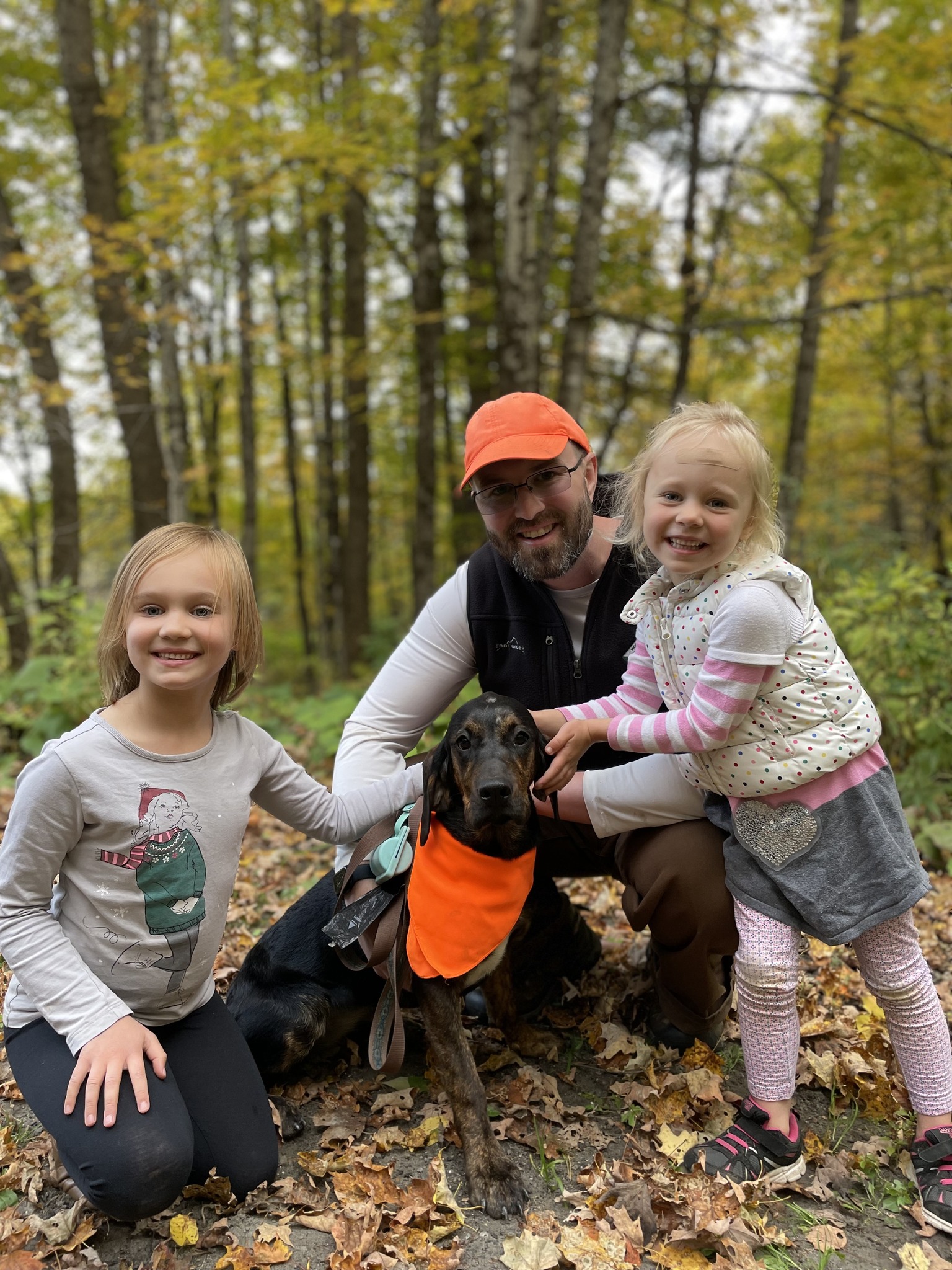
For the first few weeks, the transition appeared successful. Gigi integrated well into the family’s outdoor-focused lifestyle. However, a significant, non-negotiable issue quickly emerged: Gigi suffered from extreme separation anxiety. While she was content and calm when the family was present, her behavior deteriorated the moment she was left alone. Despite being crate-trained, she experienced severe panic attacks in the family’s absence, which resulted in significant distress and property damage.
The Exhaustive Pursuit of Solutions
The family’s attempt to resolve Gigi’s behavioral issues was nothing short of exhaustive. Over the course of four months, they moved through three distinct phases of intervention:

- Behavioral Modification: They engaged a professional trainer to implement a rigorous regimen. This involved "desensitization" training—leaving the house for increasing increments of time. Despite their commitment, the dog could not be left alone for more than five minutes without entering a state of high-intensity distress.
- Technological Integration: The family invested in surveillance, including remote cameras and automated treat dispensers. The goal was to provide positive reinforcement for calm behavior, but the technology proved ineffective against the dog’s deep-seated anxiety.
- Medical Intervention: The family consulted veterinarians to explore pharmacological options. Over several months, they cycled through various anti-anxiety medications, sedatives, and tranquilizers. None of these measures successfully mitigated the dog’s panic response.
Financial Realities of Pet Ownership
One of the most eye-opening aspects of this experience was the financial burden. While many prospective owners focus on adoption fees and routine care, the "Gigi case" serves as a stark reminder of the hidden costs that can arise when a pet has special needs.
The family meticulously tracked their expenditures during the four-month period, totaling $2,373.25. The breakdown is as follows:

- Medical Care (Vet visits, shots, de-worming, medications): $951.38
- Re-homing/Administrative Costs: $600.00
- Supplies (Food, beds, toys, snow booties, Kongs): $356.18
- Training and Technology (Trainer fees, cameras, dispensers): $278.77
- Miscellaneous (License, Christmas items): $83.00
This figure stands in stark contrast to their previous experience with a rescue greyhound, which cost roughly $930 annually. The data underscores a fundamental truth: pet ownership, particularly when dealing with trauma-informed rescue animals, is an investment that can fluctuate wildly based on health and behavioral requirements.
The Difficult Decision to Re-home
The decision to part ways with Gigi was not made lightly. It was a calculated acknowledgment that the current situation was untenable for both the family and the dog. The family realized that their lifestyle—which includes two young children and frequent communal outings—was incompatible with a dog that required constant human supervision.

"We realized that, as an active family with little kids, it’s not tenable for one adult to always stay home with the dog," the owners noted. The constant pressure of managing the dog’s anxiety was beginning to impact the family dynamic, limiting their ability to participate in school events, family trips, and outdoor activities.
After identifying a foster-based rescue organization, they were able to find Gigi a new placement. The organization discovered that Gigi’s anxiety was mitigated by the presence of other dogs—a detail that aligned with the theory that she was a pack-raised hunting dog. Gigi was eventually adopted into a household with multiple other dogs, where she has reportedly thrived.

Implications for Future Pet Adoption
The aftermath of this experience has left the family with profound lessons about the nature of pet adoption. There is a palpable sense of guilt often associated with re-homing an animal, yet this story reframes that narrative. By prioritizing the dog’s need for a pack environment over the desire to keep her at any cost, the owners ensured that Gigi ended up in a home that could support her specific psychological needs.
The family has reached the conclusion that, for now, they are not in a position to adopt another dog. Instead, they have adopted a "part-time" model, offering to dog-sit for friends. This provides them with the joy of canine companionship without the permanent commitment that their current lifestyle cannot accommodate.

Lessons Learned
- Know Your Limits: Prospective owners must honestly assess their schedule and resources before adopting.
- Rescue Isn’t Always Linear: Animals with traumatic backgrounds may have triggers that even the best trainers and medical professionals cannot predict or fix.
- Financial Buffers are Essential: Unexpected behavioral issues can lead to thousands of dollars in veterinary and training expenses.
- The "Heart vs. Head" Balance: It is easy to be led by emotion, but a successful adoption requires a dispassionate look at the compatibility between the animal’s needs and the family’s reality.
Ultimately, this story serves as a reminder that the best interest of the pet is the highest form of responsibility. While the "dog-sized hole" in their hearts remains, the family has found peace in the knowledge that they did everything within their power to help a struggling animal find the life she truly needed.
Note: In a side update, the family confirmed they remain safe following recent flooding in Vermont. While their home remained dry, the severe weather caused significant damage to their driveway, serving as a reminder that "unexpected expenses" are a constant in homeownership, regardless of whether one has a pet or not.