Cybersecurity at a Crossroads: IRS Struggles to Secure Taxpayer Data Amid Mounting Oversight Concerns
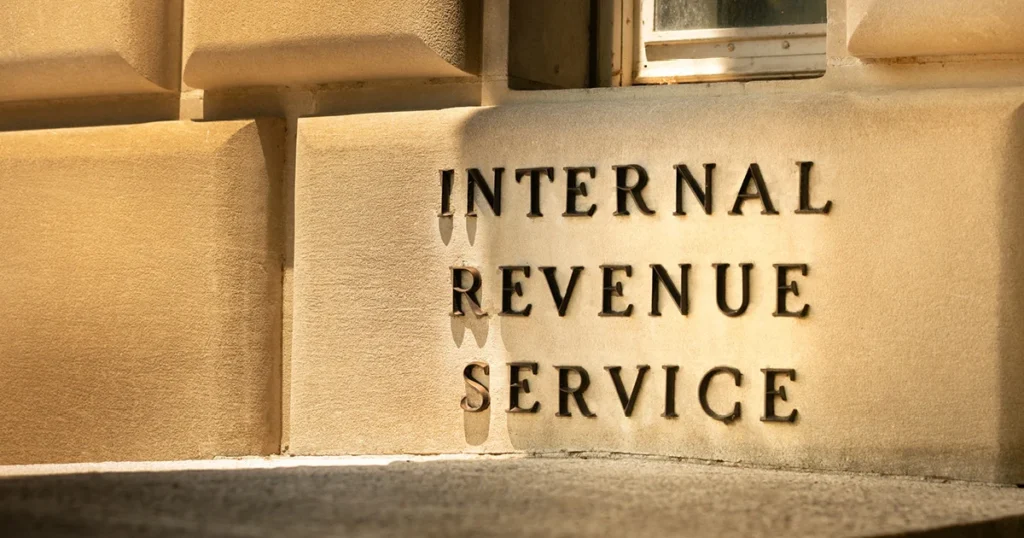
For the second consecutive year, the Internal Revenue Service (IRS) has received a failing grade from federal watchdogs regarding the effectiveness of its cybersecurity program. A sobering report released by the Treasury Inspector General for Tax Administration (TIGTA) warns that the agency’s persistent failure to address critical security vulnerabilities leaves the sensitive financial and personal data of millions of American taxpayers exposed to potential compromise.
The report, dated September 15, 2026, paints a picture of an agency struggling to maintain the digital perimeter in an era of increasingly sophisticated cyber threats. While the IRS has made incremental progress in specific domains, the fundamental inability to secure its core information systems—and maintain a comprehensive inventory of the software running on them—has once again placed the agency in the crosshairs of federal regulators.
The Core Findings: A Systemic Failure to Mitigate Risk
The TIGTA assessment for fiscal year 2026 serves as a stark reminder of the challenges inherent in modernizing the digital infrastructure of one of the world’s largest financial institutions. The watchdog found that 86% of sampled information systems—six out of seven—contained critical vulnerabilities that remained unpatched well beyond the IRS’s own 30-day remediation requirement.
Key Areas of Concern
The report highlights several glaring deficiencies that raise alarm bells for cybersecurity experts:
- Inventory Blind Spots: The agency remains unable to provide a comprehensive, accurate inventory of its critical software, a foundational requirement for any effective security program. Without knowing exactly what software exists on its network, the IRS cannot effectively secure it.
- Privileged Account Management: Auditors discovered 841 privileged service accounts across 313 separate systems that currently sit outside the agency’s centralized privileged account management system. These "ghost" accounts represent significant entry points for malicious actors.
- Encryption Delays: Despite an internal goal to implement data-at-rest encryption across all critical systems by the end of fiscal year 2024, the IRS has failed to meet this milestone. The deadline has been pushed back to 2027, leaving sensitive data vulnerable for an additional three years.
- Endpoint Detection: High-value asset systems, which should be the most fortified parts of the IRS network, were found to be lacking necessary endpoint detection and response (EDR) capabilities in 29% of the cases sampled.
TIGTA’s conclusion is blunt: "If the IRS does not take steps to mitigate these deficiencies, taxpayer data could be vulnerable to inappropriate and undetected use, modification, or disclosure."
Chronology of Oversight: A Recurring Pattern
The 2026 report is not an isolated incident; it represents a continuation of a troubling trend. The fiscal year 2025 audit concluded similarly that the IRS’s cybersecurity program was ineffective, warning that the agency’s posture was insufficient to protect against evolving threats.
A Timeline of Digital Vulnerability
- Fiscal Year 2024: During the lead-up to the current findings, the IRS set ambitious internal goals for encryption and system management, many of which were missed.
- Fiscal Year 2025: The first formal TIGTA warning was issued, identifying widespread weaknesses in threat detection and system governance.
- September 15, 2026: TIGTA releases the current report, confirming that the agency’s cybersecurity program continues to fall short of federal standards, marking the second consecutive year of an "ineffective" rating.
The persistent nature of these findings suggests that the IRS is battling not just technical debt, but deep-seated institutional hurdles that prevent the rapid adoption of modern cybersecurity hygiene.
Supporting Data: Where the IRS Falls Short (and Where It Succeeds)
To provide a nuanced view, TIGTA utilized the Federal Information Security Modernization Act (FISMA) framework to evaluate the agency. The results were mixed, revealing a bifurcated agency that manages to excel in policy and incident response while faltering in technical execution.
Metrics of Failure
The IRS failed to meet federal standards in three of the most critical cybersecurity functions:
- Risk Identification: The agency is failing to accurately map its threat landscape.
- System Protection: Technical controls, such as encryption and vulnerability patching, are inconsistent.
- Threat Detection: The inability to identify unauthorized hardware and software on the network indicates a lack of real-time visibility.
Pockets of Success
It is important to note that the news is not entirely negative. TIGTA noted that the IRS has achieved "effective" ratings in three key areas:
- Cybersecurity Governance: The strategic oversight and leadership approach to security.
- Incident Response: The ability to react to a breach once it has been detected.
- Recovery: The ability to restore services after a disruption.
Furthermore, the watchdog highlighted that 72% of the cybersecurity metrics reviewed reached "advanced maturity levels." Improvements were specifically noted in the implementation of multifactor authentication (MFA), the collection of audit logs, and overall configuration compliance. These bright spots suggest that the IRS has the capacity for technical excellence, but that it is unevenly distributed across the organization.
Official Responses: A Clash of Perspectives
The release of the report triggered a defensive response from IRS leadership. The agency took explicit issue with TIGTA’s assessment of two specific measures: information security continuous monitoring and ongoing security control assessments.
The IRS Position
IRS officials argued that their current monitoring strategies were more robust than the auditors credited. They maintained that the agency deserved higher ratings for its internal efforts to keep a constant watch over its network infrastructure.
The TIGTA Rebuttal
TIGTA remained unswayed, doubling down on its assessment. The watchdog pointed to two critical failures:
- Organizational Disconnect: The IRS failed to update its monitoring strategy following a major internal reorganization, meaning the strategy is no longer aligned with the current operational structure.
- Incomplete Cloud Assessments: The IRS has not fully assessed security and privacy controls across its cloud-based systems. TIGTA noted that only about one-third of the required control assessments were actually completed.
This disagreement highlights a potential cultural divide between auditors focused on strict compliance and agency officials focused on the operational reality of managing a massive, shifting digital environment.
Implications: The High Stakes of Taxpayer Trust
The implications of these findings extend far beyond bureaucratic jargon. The IRS holds the most sensitive information for virtually every taxpayer in the United States, including Social Security numbers, bank account details, and income records.
The Risk of Data Exposure
When an agency fails to patch critical vulnerabilities or cannot account for the software running on its network, it provides a "roadmap" for cybercriminals and state-sponsored actors. The risk is not merely theoretical; in an age of identity theft, a breach of IRS databases would represent a national security crisis.
The Challenge of Modernization
The IRS is currently undergoing a multi-year effort to modernize its legacy systems. While modernization is intended to improve security, the process itself creates new vulnerabilities. As the agency shifts to the cloud and integrates new software, the complexity of the network grows, making the "inventory" and "continuous monitoring" issues identified by TIGTA even more dangerous.
The Regulatory Future
Because TIGTA’s role under FISMA is to measure performance against metrics rather than to issue mandatory corrective orders, the report serves as a diagnostic tool rather than a legal mandate. However, the consistent failure to improve could lead to increased scrutiny from Congress. Lawmakers, who provide the funding for the IRS’s modernization efforts, are likely to demand accountability for why, despite billions of dollars in investment, the agency’s cybersecurity program remains "ineffective."
Conclusion: A Call for Cohesion
The TIGTA report serves as a critical mirror held up to the IRS. While the agency has successfully strengthened its incident response and multifactor authentication protocols, the foundational "blocking and tackling" of cybersecurity—patch management, software inventory, and encryption—remains flawed.
For the American taxpayer, the findings suggest that while the "front door" of the IRS has been fortified, the "back rooms" of the agency’s digital infrastructure remain cluttered and poorly managed. As the agency moves toward the 2027 deadline for its encryption initiatives, the pressure will only mount.
The IRS is now at a crossroads: it must either bridge the gap between its advanced maturity in governance and its lagging performance in technical execution, or it will face a third consecutive year of failing grades—and the increasing likelihood of a security incident that could permanently damage the public’s trust in the institution of taxation itself.
To comment on this article or to suggest an idea for another article, contact Martha Waggoner at [email protected].