From Broke College Senior to 17 Doors: How Rick Albert Mastered High-Cost Real Estate
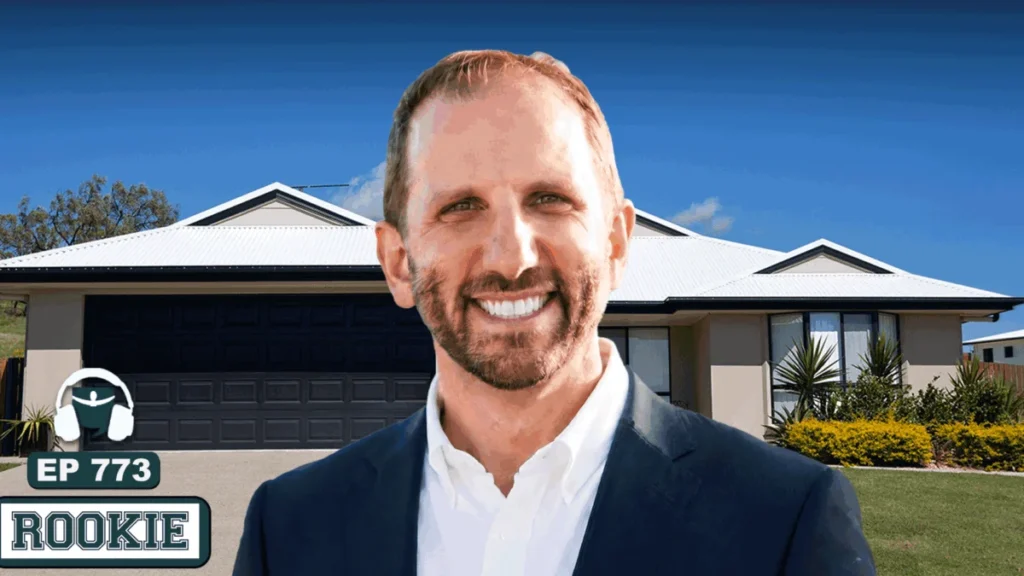
For many aspiring real estate investors, the prospect of entering a high-cost-of-living market like Los Angeles feels less like a business opportunity and more like a financial impossibility. The sheer scale of down payments, combined with the perception that "all the good deals are taken," often forces rookies to the sidelines. However, investor and real estate professional Rick Albert proves that with the right mathematical approach and a willingness to embrace unconventional strategies, a market that seems off-limits can actually become the ultimate engine for long-term wealth.
Starting his journey in December 2009 as a broke college senior, Albert didn’t rely on a massive inheritance or a high-paying corporate job. Instead, he leaned into mentorship, aggressive networking, and the "house hacking" strategy. Today, his portfolio spans 17 doors across three states, serving as a blueprint for how beginners can start small, scale smart, and survive the trials of renovation.
The Foundation: Turning "Trash" into Treasure
Albert’s entry into real estate began with a meeting that would define his career trajectory. While still a student, he connected with a successful local investor who agreed to mentor him, provided Albert earned his real estate license and committed to a rigorous reading list—including classics like The Richest Man in Babylon and Gary Keller’s The Millionaire Real Estate Investor.
This mentorship led to Albert’s first solo deal: a $225,000 condo in Los Angeles. The property was far from a "turnkey" gem. It had been occupied by a heavy smoker for three decades, leaving the unit with an odor so pervasive it could be smelled from the street. While most buyers walked away, Albert saw an opportunity.
"I don’t really have the belief that properties can be money pits," Albert explains. "They might be expensive, but at some point, there’s an end to it."
He secured the condo with a 10% down payment—roughly $22,500—and utilized a methodical cleanup process, including the use of tri-sodium phosphate (TSP) and nicotine-locking paint primers like KILZ to restore the unit. By house hacking—renting out the second bedroom to a friend—he turned a daunting mortgage into a manageable monthly expense.
Chronology of a Scaling Strategy
Albert’s path was not linear; it was a series of calculated risks and strategic pivots.
- 2009–2010: Entered the industry as an intern, learning the ropes of foreclosure auctions and property management while finishing his degree.
- 2015: Purchased the LA condo. By renting out a room for $800, he stabilized his living costs and built the foundation of his credit profile.
- 2017–2018: Leveraged a Home Equity Line of Credit (HELOC) on the condo to fund a second, more ambitious project. He utilized an FHA 203(k) loan, which allows buyers to finance both the purchase price and the cost of renovations into a single mortgage.
- 2018–2020: Navigated the complexities of an Accessory Dwelling Unit (ADU) garage conversion. Despite a year-long construction timeline and unforeseen building code hurdles, Albert successfully added a second unit to his property.
- 2022: Sold the original condo for $453,000, nearly doubling his initial investment. This capital infusion allowed him to pivot toward out-of-state "BRRRR" (Buy, Rehab, Rent, Refinance, Repeat) projects in Tennessee and Alabama.
Supporting Data: The Math of the "High-Cost" Myth
Critics often argue that high-cost markets offer poor cash flow, but Albert contends that the wealth-building potential lies in appreciation and debt paydown. "A 3% appreciation on a $100,000 home is three grand," he notes. "Do that on a million-dollar home, and you just made 30 grand in appreciation."
His success with the FHA 203(k) loan highlights a critical, often overlooked tool for beginners. By bundling renovation costs into the mortgage, investors can improve a property’s value significantly before they even move in. However, this comes with strict requirements, such as working with FHA-approved contractors and navigating the scrutiny of a HUD consultant.
Albert also utilized a "lender credit" strategy. By slightly raising his interest rate at closing, he secured a cash credit from the lender to cover closing costs. While this increases the monthly payment, it provides the liquidity necessary to complete essential repairs, which can then be addressed through a refinance once the property is stabilized.
Official Insights and Expert Lessons
During his appearance on the Real Estate Rookie podcast, Albert offered several takeaways for investors looking to replicate his success:
- Market Efficiency: If you are in a high-cost area, look at the periphery. "You all of a sudden become the prettiest girl in the room" when you are the only option for renters priced out of the city center.
- The Privacy Premium: When building ADUs, don’t skimp on design. Privacy—such as lack of windows looking into a neighbor’s yard and dedicated outdoor space—is what commands top-tier rent.
- Tenant Relations: Being a landlord to a friend requires clear boundaries. Albert recommends having a "sit-down" before move-in to discuss expectations, quiet hours, and the separation of the personal relationship from the contractual one.
- Software Adoption: While spreadsheets work for one unit, scaling to 17 doors requires property management software like TurboTenant or Tenant Cloud to handle screening, payments, and maintenance logs.
Implications for Future Investors
Albert’s journey emphasizes that real estate is not a "get rich quick" scheme but a long-term endurance sport. His willingness to move into a studio ADU just to make the math work on a refinance demonstrates the level of commitment required to build a portfolio from nothing.
The broader implication of Albert’s story is the importance of adaptability. When the COVID-19 pandemic introduced eviction moratoriums in California, Albert didn’t stubbornly hold onto his properties; he re-evaluated the risk and sold the asset to redeploy capital into more landlord-friendly markets.
For the "rookie" investor, the message is clear: You don’t need a massive starting bankroll, but you do need an education in financing, a tolerance for "unpleasant" properties, and the courage to act when others see only red flags. Whether it’s a smoky condo in LA or a neglected triplex in Alabama, the path to wealth is built one door at a time—provided you are willing to do the math and put in the work.
As Albert puts it: "What I love about real estate is you can stumble, as long as you’re stumbling forward."