The Great Trade-Down: U.S. Consumers Pivot to Value Amidst Persistent Economic Headwinds
By Jim Tyson | July 16, 2026
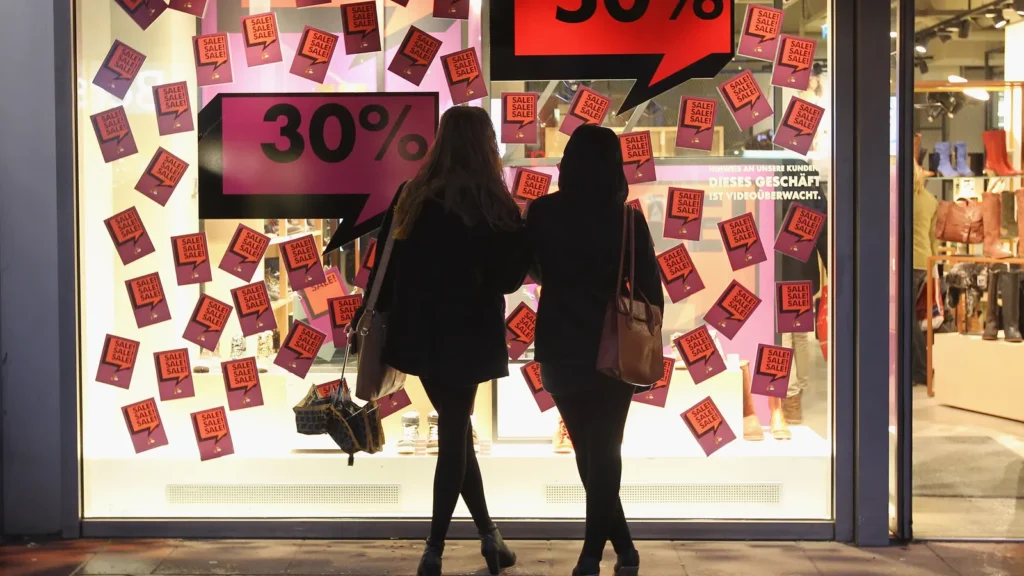
As the summer of 2026 reaches its midway point, the American consumer is signaling a fundamental shift in behavior. Beset by the dual pressures of elevated fuel costs and a sluggish labor market, household budgets across the United States are being stretched to their breaking point. The result is a widespread migration toward value-oriented shopping, as families abandon premium brands in favor of discount grocers and budget-friendly apparel.
This transition, documented extensively in recent reports from both private financial institutions and the Federal Reserve, marks a sobering reality for the second half of the year. With the initial relief provided by tax refunds now firmly in the rearview mirror, economists are warning that the "real income shock" of sustained inflation is beginning to bite.
Main Facts: The New Reality of Household Spending
The prevailing narrative in the retail sector is one of caution. Consumers are no longer spending with the ease that characterized the early months of the year. Instead, they are engaging in what analysts call "strategic retrenchment."
According to the latest data from the Census Bureau, spending has notably contracted in several key categories. Outlays on clothing, groceries, and health and personal care products fell by 0.3%, 0.4%, and 0.8%, respectively. These are not luxury goods; they are essential household pillars. When consumers begin to pull back on these items, it serves as a bellwether for a broader economic malaise.
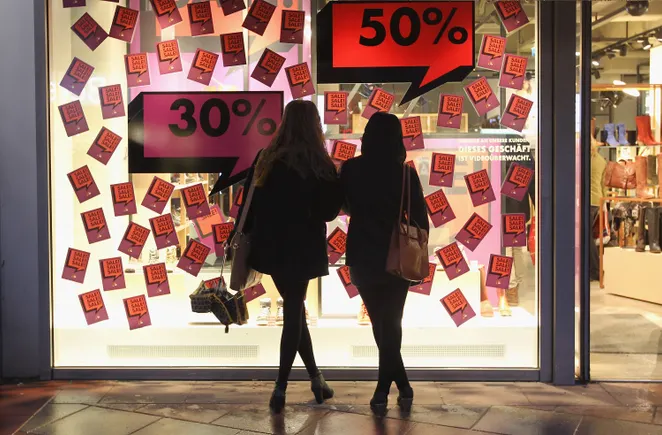
The shift is perhaps best captured by the Bank of America Institute, which noted that "value shopping has gained traction as household budgets have come under pressure." Card data confirms that traffic at discount grocers is surging, while sales at high-end retailers are cooling. This is not merely a temporary blip; it is a structural adjustment to a high-cost environment where fuel prices remain significantly higher than they were just a year ago.
Chronology of the 2026 Spending Shift
To understand how we reached this point, one must look at the timeline of economic pressures exerted on the average household:
- Q1 2026 (The Tax Refund Buffer): The year began with a degree of optimism. Seasonal tax refunds provided a necessary injection of liquidity into household accounts, temporarily shielding consumers from the rising cost of goods and fuel.
- April 2026 (The Turning Point): As the impact of tax refunds faded, the reality of stagnant wage growth began to collide with rising prices. Tariff-related price hikes began to moderate, but the structural cost of energy took center stage.
- May–June 2026 (The Pivot): Consumer sentiment began to decline as gasoline prices hovered near $4.00 per gallon. Households began to "trade down," shifting their loyalty from traditional supermarkets to discount outlets and value-based retailers.
- Mid-July 2026 (The Current State): The Federal Reserve’s latest Beige Book confirms that this trend is not localized; it is a nationwide phenomenon. Spending remains resilient in some areas, but the underlying motivation is increasingly driven by price sensitivity rather than confidence.
Supporting Data: The Fuel and Labor Nexus
The most significant headwind facing the economy remains the price of gasoline. While the average price for a gallon of regular gasoline has seen a minor reprieve—falling 2.6% to $3.94 from $4.04 over the last month—the year-over-year comparison is staggering. Compared to the $3.16 per gallon price point seen one year ago, consumers are grappling with a 24.8% increase.
This is a regressive tax on the American public. Lower- and middle-income families, who spend a larger percentage of their take-home pay on transportation and basic goods, are disproportionately affected.
Furthermore, the labor market has failed to provide the necessary wage growth to offset these costs. As analysts point out, the "subdued labor market" is effectively acting as a ceiling on household income. With the personal saving rate already at a historic low, consumers have little room to absorb these price shocks. They are forced to make binary choices: spend more on the commute to work, or spend less on the grocery bill.

Official Responses: The Federal Reserve’s Perspective
The Federal Reserve, led by new Chair Kevin Warsh, has been closely monitoring these developments. In his first testimony to the House and Senate committees this week, Chair Warsh acknowledged that while the economy is "expanding at a solid pace," household consumption growth is currently "moderate."
The Fed’s latest Beige Book report, which synthesizes economic activity across the 12 Federal Reserve districts, paints a vivid picture of this "value-oriented trend." The central bank noted that while consumer spending did "edge up," the increase was dampened by higher prices, particularly for fuel.
"Several districts noted declines in spending on discretionary items or trading down to more affordable varieties," the report stated.
The Boston Fed provided a specific case study in this sentiment, noting that while spending in its region rose modestly—bolstered by the enthusiasm surrounding the World Cup soccer tournament—this did not mask the underlying reality: consumers are showing "heightened price sensitivity." The temporary joy of a sporting event was not enough to override the long-term caution dictated by the household budget.
Implications: A Slowdown for the Second Half of 2026
What does this mean for the remainder of the year? The outlook is tempered. Economists expect retail spending to slow as the year progresses. The "lift to cashflow" provided by earlier government policy has evaporated, leaving the consumer "far more exposed to the real income shock."

The Retail Landscape
Retailers that rely on premium pricing are likely to face the most significant challenges. Conversely, discount retailers—often referred to as "value grocers"—are positioned to capture market share. This shift is not just in food; the apparel sector is seeing similar patterns. While discount apparel spending is currently growing at its fastest rate in three years, the growth rate is beginning to moderate, signaling that even within the "value" category, consumers are reaching a limit on their discretionary spending.
The Macroeconomic Ripple Effect
The implications extend beyond the retail floor. If consumer spending—which accounts for nearly 70% of the U.S. GDP—continues to drift toward low-margin, value-based goods, the overall economic growth rate will likely decelerate. This puts the Federal Reserve in a difficult position. If they maintain interest rates to combat inflation, they risk further cooling an already hesitant consumer base. If they lower rates to stimulate growth, they risk exacerbating the inflationary pressure that is currently driving the high cost of fuel and goods.
The Consumer Sentiment Trap
Ultimately, the American consumer is caught in a trap of "resilient survival." They are continuing to spend, but they are doing so with a level of scrutiny that has not been seen in recent years. This is a move toward efficiency. Whether this leads to a soft landing or a deeper economic contraction will depend on two variables: the trajectory of global energy prices and the ability of the labor market to finally pivot toward wage growth.
For now, the mantra for the American household is clear: find value, cut the discretionary, and brace for a long, high-cost second half of the year. The transition to a value-based economy is well underway, and the implications for businesses and policymakers alike are only just beginning to be felt.