Beyond the Ride: Inside Uber’s Ambitious Evolution into an ‘Everything App’
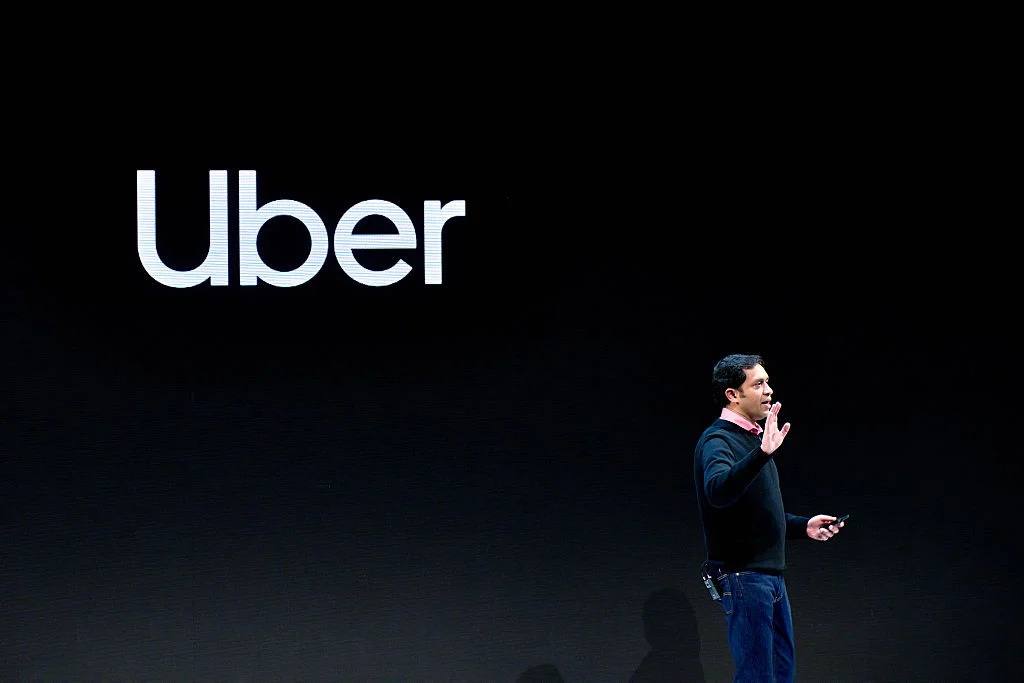
For over a decade, Uber has been synonymous with two things: getting a ride and getting food delivered. However, the company is currently orchestrating a quiet but profound transformation. Under the leadership of its executive team, Uber is aggressively expanding its digital footprint, moving from a niche utility to a comprehensive "everything app" that aims to capture the entirety of a user’s travel, logistics, and financial life.
This strategic pivot is not merely about adding new buttons to an interface. It is a fundamental shift in how the company leverages its massive network of 10 million earners, its proprietary data, and its sophisticated AI infrastructure to redefine its role in the global economy.
The Strategic Expansion: A New "Third Leg"
Uber’s recent product roadmap is characterized by a "three-legged stool" strategy. For years, the platform stood on two legs: mobility and delivery. Today, travel has officially become the third.
The company has integrated hotel bookings via an Expedia partnership, introduced "shop for me" concierge services, and even launched boat rentals in European markets. According to Chief Product Officer Sachin Kansal, this evolution is rooted in user behavior. "1.5 billion trips on the Uber platform every year actually happen outside of a user’s home city," Kansal notes. By capturing the hotel stay or the retail errand, Uber is positioning itself as the primary orchestrator of the modern traveler’s journey.
This expansion isn’t just about adding features; it’s about retention. Uber One, the company’s membership program, has surged to 51 million members, currently accounting for nearly half of all bookings. The data shows a clear cross-pollination effect: users who sign up for delivery services increasingly migrate to mobility, and vice-versa, creating a flywheel effect that bolsters the entire ecosystem.
AV Labs and the Hedge Against Autonomy
While the consumer-facing apps garner the headlines, a significant transformation is occurring "under the hood." Six months ago, Uber launched AV Labs, a dedicated business unit focused on building a fleet of sensor-equipped vehicles.
Unlike its previous attempts at self-driving technology, this unit is not intended to make Uber a manufacturer of autonomous vehicles (AVs). Instead, it is designed to create a "data layer." By operating a proprietary fleet of vehicles to gather massive datasets on driving conditions, Uber is hedging its bets against its own partners.
The company currently holds equity in several autonomous vehicle firms, including its most prominent rival, Waymo. This creates a complex, "frenemy" dynamic. By owning the data, Uber maintains leverage. As Kansal explains, "We are not in the race to be an L4 autonomy provider; what we are focusing on is laying down the race tracks so we can work with multiple players."
This strategy allows Uber to maintain a "hybrid network"—a seamless combination of human drivers and autonomous vehicles—ensuring that the company remains the primary gateway to transportation, regardless of who owns the car or the software.
Financial Services: The Asian "Super-App" Model
The question of whether Uber will mirror the trajectory of Asian super-apps like Grab or WeChat—which integrate everything from banking to insurance—remains a subject of intense industry speculation.
Uber’s current financial services strategy is primarily focused on its "earners." The Uber Pro Card, which allows drivers to transfer earnings directly to a debit card, is the flagship product of this initiative. The company is now experimenting with similar financial tools for merchants in select global markets.
However, when asked about consumer-facing financial products—such as "Buy Now, Pay Later" (BNPL)—Kansal is cautious. "We’re not trying to be everything to everyone," he says, noting that Uber prefers to partner with established financial experts rather than reinventing the banking stack from scratch. The company is currently testing the efficacy of "Uber credits" as a loyalty currency, rewarding members for travel bookings, which can then be reinvested into rides and delivery.
Chronology of a Transformation
- Early Years: Uber establishes itself as the dominant player in urban ride-hailing.
- The Eats Pivot: Uber Eats scales from a secondary project to a profitable, stand-alone pillar of the company’s revenue.
- The Travel Integration: The company begins testing hotel and boat bookings to capture the non-local transit market.
- 2026 Q1: Launch of AV Labs, signaling a strategic shift toward controlling the autonomous data layer.
- 2026 Q2: The winding down of the Waymo pilot in Phoenix, marking a move toward broader, multi-partner autonomy strategies in cities like Austin and Atlanta.
- Present Day: Deployment of Gen AI assistants for both drivers (optimizing earnings) and riders (natural language trip planning).
The Role of AI: Beyond the Buzzword
For most users, AI remains a vague promise. At Uber, however, it is being implemented in practical, revenue-generating ways.
For Earners
The "Earner Assistant" uses real-time data to guide drivers toward high-demand areas, effectively acting as an automated consultant. This helps solve the "where should I work?" problem that plagues gig workers, thereby increasing supply-side stability.
For Data Monetization
Uber has quietly turned its workforce into a data-labeling powerhouse. By paying earners to transcribe audio or label data when they are not actively on a ride, Uber is selling high-quality training data to Gen AI companies. This is a burgeoning revenue stream that leverages the idle time of the company’s massive human network.
For Riders
The goal is a "fully agentic" experience. Within a few years, Uber envisions an interface where a user can simply state, "I need a ride to the airport with six people and six bags," and the platform will handle the booking, the logistics, and the scheduling automatically.
Official Responses and Operational Realities
When challenged on the potential for privacy concerns regarding the data-labeling program, Kansal was emphatic: "No conversation is being recorded as part of that while they’re on a ride." The data work is strictly siloed from the ride-hailing experience, performed only when the earner is off-duty.
Regarding the competitive landscape, Uber leadership acknowledges the presence of rivals like Lyft, DoorDash, and Bolt, but claims that internal focus is shifting away from them. "I only spend a very small percentage of my time thinking about competitors," Kansal maintains. "The bigger percentage… is: are we providing our users all the value that we can provide?"
Implications: A New Era for the Platform
Uber’s transition from a ride-hailing company to a multi-service platform has profound implications for the gig economy and the future of urban infrastructure.
- Operational Dominance: By handling everything from grocery carts to hotel stays, Uber is locking users into a high-frequency ecosystem. The more services a user accesses, the higher the switching cost, cementing Uber’s dominance in the "on-demand" economy.
- The Data Monopoly: By collecting millions of miles of sensor data through AV Labs, Uber is creating a moat that few other tech companies can bridge. Even if a competitor develops a superior autonomous vehicle, they will still need the "race track"—the operational data and local expertise—that only Uber can provide.
- Profitability vs. Expansion: The fact that Uber Eats has transitioned from a loss-making experimental business to a consistent profit generator is a crucial milestone. It suggests that the company’s "everything app" strategy is not a desperate attempt to burn cash, but a calculated expansion based on a solid financial foundation.
As Uber moves forward, its success will depend on its ability to balance these disparate business lines. With 70% to 80% of leadership’s time dedicated to solidifying existing products and only 20% to "shiny new objects," the company appears to be tempering its ambition with a newfound commitment to operational discipline.
The road ahead is complex, fraught with regulatory hurdles and intense competition, but one thing is clear: the Uber of tomorrow will look significantly different from the app that first disrupted the taxi industry in 2009. It is no longer just moving people from point A to point B; it is attempting to facilitate the entirety of the modern, mobile lifestyle.