IRS CP53E Notice Confusion: What Taxpayers Need to Know About This Automated Correspondence
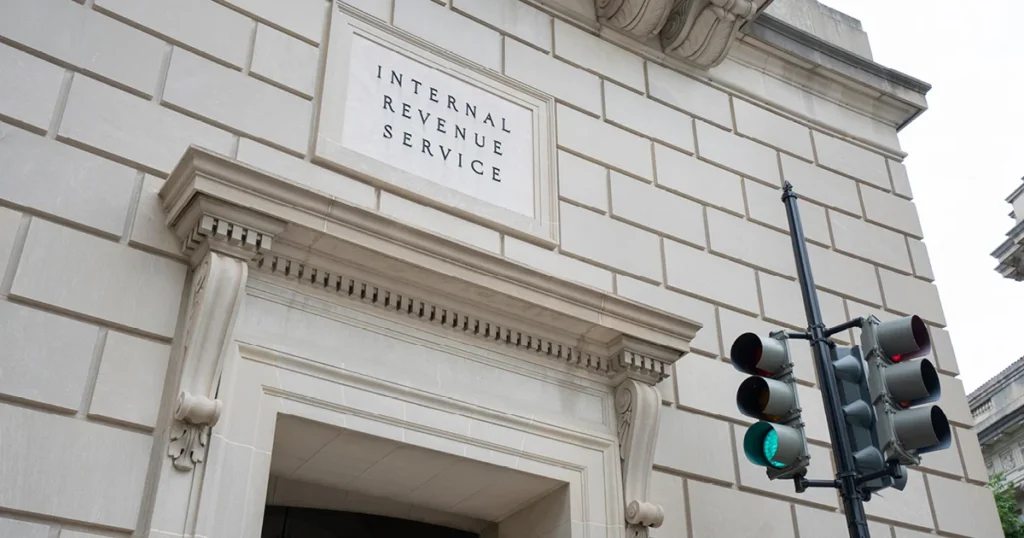
The Internal Revenue Service (IRS) has found itself at the center of a growing administrative firestorm following the mass distribution of the CP53E notice. Designed as a modernizing tool to transition taxpayers away from paper checks, the notice has instead sparked widespread confusion, concern over potential phishing scams, and questions regarding the accuracy of IRS automated systems.
For millions of Americans, receiving a letter from the IRS is an anxiety-inducing event. When that letter contains instructions to input banking information and features a QR code—a hallmark of modern digital scams—the anxiety often turns to suspicion. The Taxpayer Advocate Service (TAS) has recently intervened, providing critical clarity for those who have received the notice in error.
Main Facts: Understanding the CP53E Notice
The CP53E notice was introduced by the IRS in the lead-up to the most recent tax filing season. Its primary objective is to facilitate the transition from physical paper check refunds to electronic direct deposits. The notice explicitly requests that taxpayers log into their IRS online accounts to either add or update their banking information.
Crucially, the IRS notice provides a 30-day window for taxpayers to respond. Should a taxpayer choose not to take action, or if they are unable to do so, the agency defaults to issuing a physical paper check six weeks after the notice is generated.
However, the Taxpayer Advocate Service has issued a corrective advisory: taxpayers who are not currently expecting a refund but have received a CP53E notice can safely disregard the document, provided they first verify the notice’s status through their official IRS online account. Because many IRS notices are triggered by automated systems, a minor processing error or a late-stage adjustment to a tax return can lead to the notice being mailed to individuals who do not actually have a pending refund.
Chronology: The Evolution of a Digital Transition
The genesis of the CP53E notice lies in Executive Order 14247, which mandated federal agencies to modernize payment systems and reduce reliance on legacy paper processes.
- Pre-Filing Season 2026: In anticipation of the tax filing season, the IRS rolled out the CP53E notice as a strategic initiative to encourage electronic payments.
- March 2026: Reports from the House Ways and Means Committee indicated that approximately 1.4 million taxpayers had received the notice. This widespread dissemination brought the notice to the attention of lawmakers and tax professionals.
- Spring 2026: Accounting firms and tax practitioners began reporting a surge in client inquiries. Many professionals expressed alarm, noting that the inclusion of a QR code on the notice mirrored tactics frequently used in phishing campaigns.
- May 2026: Following sustained pressure from accounting groups and taxpayer advocacy organizations, the Taxpayer Advocate Service issued a formal news release clarifying the legitimacy of the notice while warning of the inherent risks of digital correspondence.
Supporting Data: The Scale of the Disruption
The scope of the CP53E rollout has been significant. According to a letter from members of the House Ways and Means Committee addressed to Treasury Secretary Scott Bessent, the volume of notices reached 1.4 million as of March. This sheer scale explains why the administrative burden on taxpayers—and the subsequent confusion—has been so pronounced.
Data from the IRS suggests that the notice is part of a broader effort to reduce the administrative costs associated with printing, mailing, and tracking paper checks. However, the data also highlights a disconnect between the IRS’s automated triggers and the reality of individual tax accounts. When an automated system identifies a tax return as "potentially eligible for a refund" but that account has no bank data on file, the system triggers the CP53E. If a taxpayer has already received their refund via other means, or if the return has been adjusted downward to a zero-balance state, the notice becomes redundant and confusing.
Official Responses: The Taxpayer Advocate Service and IRS Transparency
The Taxpayer Advocate Service has played a vital role in de-escalating the panic surrounding these notices. In their recent guidance, the TAS acknowledged that while the notices are legitimate, they are also prone to errors.
"If it was received in error, you’re okay to ignore it," the TAS stated in their May release.
Addressing the QR Code and Phishing Concerns
One of the most persistent concerns raised by CPAs and taxpayers is the presence of a QR code on the notice. In an era where "smishing" (SMS phishing) and email-based QR code scams are rampant, the IRS’s decision to include these codes on paper notices has been criticized as tone-deaf.
The TAS has responded by issuing a dual-pronged advisory:
- Validate via Official Channels: Taxpayers should never rely solely on the links or QR codes provided within a physical letter. Instead, they should manually navigate to
IRS.govand log into their secure personal account to view the status of their notices. - Exercise Extreme Caution: While the IRS does occasionally use QR codes, they are also highly targeted by scammers. If a notice seems out of place, or if the taxpayer is not expecting a refund, the safest course of action is to treat the QR code with suspicion and avoid using it.
The Limitations of the Toll-Free Number
The CP53E notice includes a toll-free number intended to assist taxpayers. However, the TAS has clarified that this number is highly limited in scope. It provides only a recorded explanation of the notice and its purpose. It does not connect to live customer service representatives, nor does it allow taxpayers to provide banking information over the phone. This lack of interactive support has served to further frustrate taxpayers who are seeking definitive answers about their specific tax accounts.
Implications: The Future of IRS Correspondence
The CP53E incident serves as a case study in the challenges of digital transformation within a legacy government bureaucracy. As the IRS pushes for a "paperless" future, the transition period is clearly fraught with risks that affect millions of citizens.
The Burden on Accounting Professionals
Accounting firms have been forced to act as the first line of defense for taxpayers. CPAs have spent significant time verifying these notices for clients, effectively acting as an unpaid intermediary between the taxpayer and the IRS. This has highlighted a breakdown in communication; if the IRS expects taxpayers to act on these notices, the notices must be clear, accurate, and trustworthy. When a notice is ambiguous, it erodes public trust in the tax administration system.
Cybersecurity and Trust
The incident also underscores a broader issue regarding digital security. The IRS is one of the most targeted entities for cybercriminals. By training taxpayers to expect and interact with QR codes in government mail, the agency inadvertently lowers the barrier for sophisticated phishing attacks. If taxpayers become accustomed to scanning QR codes on IRS mail, they become more vulnerable to fraudulent mail that mimics the IRS’s visual branding.
Moving Toward a More Resilient System
To move forward, tax policy experts suggest that the IRS must refine its automated triggers. If a system identifies a taxpayer who does not require a refund, that system should be programmed to suppress the CP53E notification. Furthermore, the agency must ensure that its official communication channels—including the recorded help lines—are robust enough to handle the volume of inquiries generated by such mass-mailing campaigns.
Conclusion: How to Protect Your Financial Information
For any taxpayer currently in possession of a CP53E notice, the path forward is clear:
- Do not panic. Receipt of the notice does not automatically imply that you owe money or that your return is under audit.
- Verify independently. Go directly to the official IRS website. Log into your account using your secure credentials. If there is a legitimate notice waiting for you, it will be reflected in your account dashboard.
- Ignore the QR codes. Even if the notice is legitimate, it is a best-practice security habit to ignore QR codes and links in physical mail. Navigate to the IRS portal through your own saved bookmarks or a manual browser search.
- Know your status. If your online account shows no mention of the CP53E notice or any pending action items, you can safely discard the letter.
As the IRS continues its multi-year modernization effort, taxpayers should remain vigilant. While the transition to electronic payments is a necessary evolution for the agency, the current experience with the CP53E notice serves as a poignant reminder that technological efficiency must never come at the expense of taxpayer clarity and security.
For further information regarding your specific tax account, please visit the official IRS website at www.irs.gov.