Fragile Diplomacy: The U.S.-Iran Interim Deal and the Uncertain Path to Stability
By International Affairs Desk
A profound sense of skepticism prevails across global financial and diplomatic circles as the United States and Iran announce an interim agreement intended to de-escalate the catastrophic conflict that has roiled the Middle East since February. While President Donald Trump declared the deal “done” during the G7 summit, the lack of transparency regarding the memorandum’s specifics, coupled with the persistent realities of maritime risk and regional volatility, has left stakeholders questioning whether this is a genuine peace framework or merely a temporary reprieve.
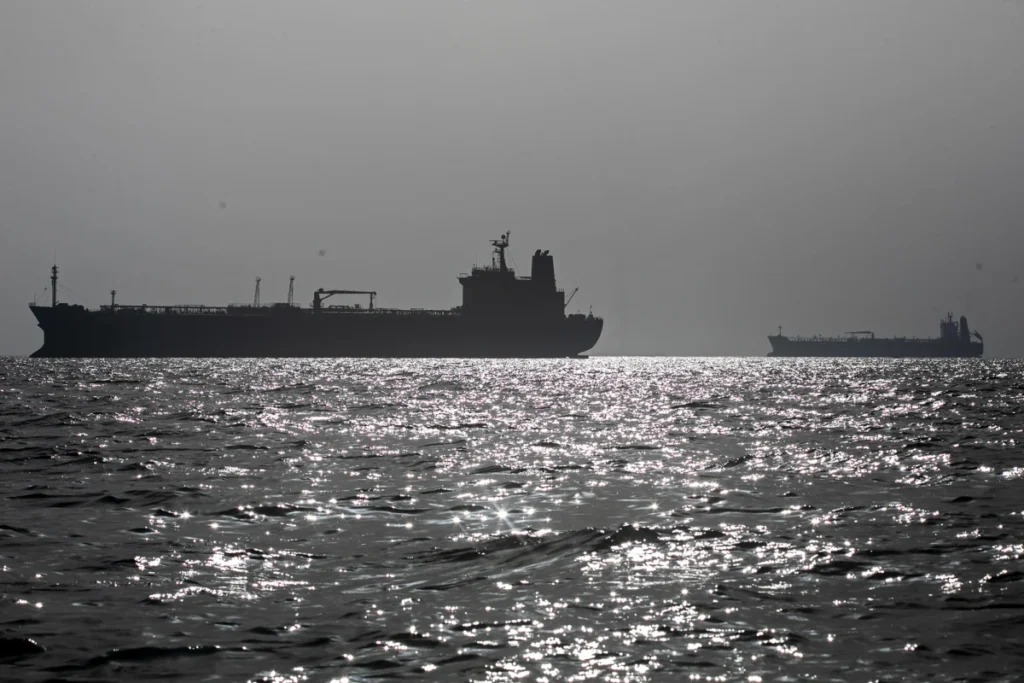
The agreement, which is set to be formalized in Geneva this coming Friday, aims to extend a tenuous ceasefire—first brokered in April—by an additional 60 days. Central to this arrangement is the reopening of the Strait of Hormuz, a critical maritime chokepoint that has been effectively shuttered by Iranian military maneuvers since the outbreak of hostilities. However, for the shipping industry and the global energy market, the mere promise of a reopening is insufficient to quell concerns about the safety of one of the world’s most vital energy corridors.
The Core Facts: A Framework Built on Ambiguity
The announcement from the G7 summit in Italy has triggered a swift, albeit cautious, reaction from global markets. President Trump’s characterization of the deal as a “done” agreement that will proceed to a “second stage” stands in stark contrast to the guarded rhetoric from Tehran. Iranian President Masoud Pezeshkian has publicly acknowledged the deal as an “important step” toward halting the carnage, but he was quick to emphasize that a comprehensive, lasting peace remains elusive.
The Scope of the Agreement
- Ceasefire Extension: A 60-day extension of the April truce, providing a window for further negotiations.
- Maritime Access: The reopening of the Strait of Hormuz, which facilitates the passage of approximately 20% of the world’s oil and liquefied natural gas (LNG).
- Sanctions Relief: Vice President JD Vance has confirmed the inclusion of a “significant” sanctions relief package for Iran, intended to incentivize cooperation.
- Diplomatic Resumption: A new round of negotiations is scheduled to commence in Switzerland, with a focus on Iran’s nuclear ambitions.
Despite these headline points, the document remains shrouded in mystery. U.S. officials, speaking on condition of anonymity, have described the memorandum as a “very general document,” with detailed annexes expected to be released only days before the formal signing in Geneva.
Chronology: From Escalation to Fragile Truce
The current geopolitical crisis traces its roots back to the heightened tensions of early 2026. Understanding the path to the current, precarious moment requires examining the rapid deterioration of the regional status quo.
- February 2026: A coordinated series of strikes by U.S. and Israeli forces against Iranian infrastructure triggers an immediate and violent retaliation. Iran moves to seal the Strait of Hormuz, causing global energy prices to spike and initiating a conflict that has since claimed over 7,000 lives.
- March 2026: Following the expansion of hostilities, Israeli forces conduct a ground incursion into southern Lebanon to neutralize Hezbollah positions, leading to the displacement of 1.2 million civilians and a humanitarian crisis of significant proportions.
- April 2026: Under intense international pressure, a tenuous ceasefire is announced. The truce serves as the foundation for the current, broader interim deal.
- June 2026: President Trump announces at the G7 summit that a framework for a second-stage peace deal has been finalized.
- Friday, June 19, 2026 (Scheduled): Vice President JD Vance and Iranian lead negotiator Mohammad Baqer Qalibaf are slated to meet in Geneva to formally sign the framework agreement.
Supporting Data: Economic and Humanitarian Toll
The human and economic cost of the conflict has been staggering. The displacement of over a million people in Lebanon and the loss of thousands of lives in Iran and the Levant have created a geopolitical landscape that is fundamentally altered.
Energy Markets and Shipping Risks
Oil prices, which soared to record highs at the start of the conflict, have seen a sharp reversal, tumbling nearly 5% following news of the deal. Despite this, experts warn that the “return to normal” is far from guaranteed.
The Strait of Hormuz is not merely a geographic bottleneck; it is a complex maritime environment potentially seeded with naval mines. According to an official with the Greek maritime security firm Diaplous, the process of ensuring safe passage through the strait is not a matter of hours or days, but “weeks to months.” Minesweeping operations must be exhaustive to clear the narrow waterway, meaning that even with a political agreement in place, the physical reality of transit remains fraught with peril.
The Financial Incentive
The proposed $300 billion reconstruction fund—to be financed by Gulf states—represents a massive carrot for the Iranian government. The plan would see the lifting of sanctions and the unfreezing of foreign assets, provided that Tehran meets strict U.S. demands regarding its nuclear program and the cessation of support for regional militias, including Hezbollah.
Official Responses and Divergent Agendas
The diplomatic choreography surrounding this deal reveals a profound lack of consensus among the key players.
The U.S. Perspective
President Trump has framed the deal as a masterstroke of diplomacy, asserting that the second stage of the talks—focusing on nuclear issues—will be “easier” than the first. However, his administration is under fire from domestic critics who argue that the deal offers too much to Tehran without securing concessions on missile programs or proxy support. Furthermore, Trump has signaled frustration with the Israeli government, noting he is “not happy” with how Prime Minister Benjamin Netanyahu has managed the Lebanon front.
The Iranian Position
Foreign Minister Abbas Araqchi has adopted a firm stance, insisting that the deal is contingent upon the immediate cessation of Israeli attacks in Lebanon. Tehran continues to deny any intent to develop nuclear weapons, framing the upcoming talks as a resumption of diplomacy rather than a capitulation of their technological aspirations.
The Israeli Stance
Prime Minister Benjamin Netanyahu remains the outlier. Despite the U.S.-led push for peace, Israel has refused to withdraw its forces from southern Lebanon, maintaining that it retains the inherent right to respond to any Hezbollah provocations. By refusing to participate directly in the Geneva talks, Israel has created a potential "spoiler" scenario that could unravel the entire agreement.
Implications: A High-Stakes Gamble
The long-term success of this interim deal depends on whether it can move beyond a mere cessation of hostilities to address the structural issues that ignited the war.
1. The Nuclear Dilemma
While the U.S. hopes to secure a permanent ban on Iran’s nuclear weapons development, historical precedent suggests that Iran is unlikely to abandon its enrichment program without significant security guarantees. The fact that missile programs and proxy funding are absent from the current agenda suggests that the "second stage" will be far more contentious than the White House anticipates.
2. Regional Instability
The presence of Israeli troops in Lebanon, coupled with the continued activity of Iranian-backed proxies, ensures that the ceasefire remains fragile. Any localized flare-up could provide a pretext for either side to abandon the agreement, returning the region to active warfare.
3. Domestic Political Risk
For President Trump, the deal is a high-stakes gamble. Failure to deliver a lasting peace could alienate his political base, while for the Iranian leadership, the failure to provide immediate economic relief—after years of sanctions and a brutal war—could trigger significant domestic unrest.
4. Global Economic Uncertainty
The shipping industry is currently operating in a "wait and see" mode. Until the physical safety of the Strait of Hormuz is verified and the geopolitical tension in the region stabilizes, the risk premiums on energy shipments will likely remain elevated. Investors are advised to view the current decline in oil prices with caution, as any breakdown in the Geneva talks could trigger a rapid and violent market correction.
As the world looks toward Geneva, the fundamental question remains: Can a deal built on vague promises and mutual suspicion withstand the harsh realities of the Middle East? For now, the global community holds its breath, waiting to see if the "second stage" leads to lasting peace or if it is simply a temporary pause in a much longer, more destructive conflict.