IRS Launches Nationwide Hiring Blitz to Combat Chronic Staffing Shortages
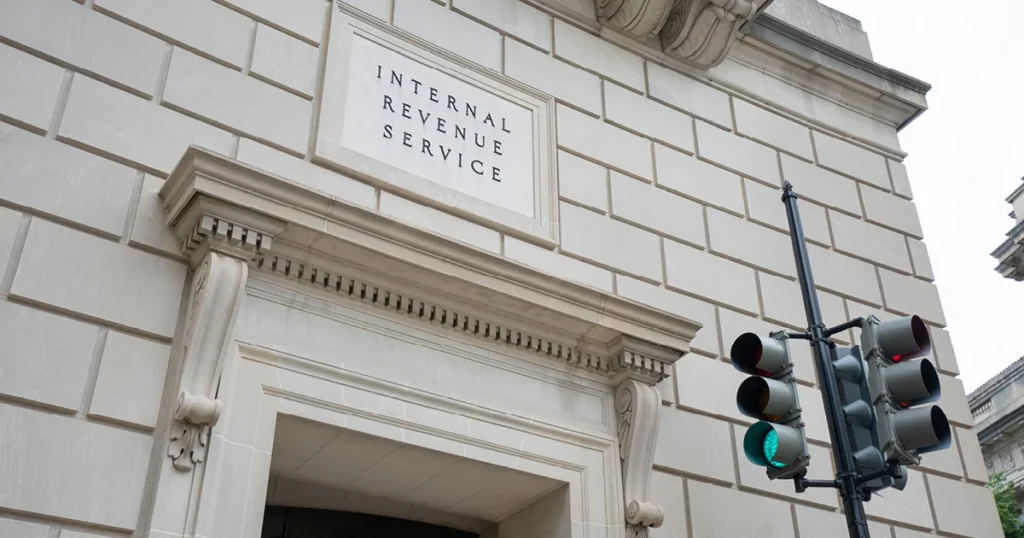
In a significant push to address long-standing concerns regarding taxpayer service and operational efficiency, the Internal Revenue Service (IRS) has initiated a series of in-person hiring events across six major U.S. cities. This aggressive recruitment drive, focused on bolstering the agency’s ranks with customer service representatives, tax examiners, and clerks, arrives as the agency attempts to reverse a dramatic contraction of its workforce that has hampered its ability to manage the nation’s tax administration effectively.
The move has been met with guarded optimism from the accounting profession, most notably from the American Institute of CPAs (AICPA). As practitioners struggle to navigate a backlog of taxpayer issues, the prospect of increased human capital at the agency offers a glimmer of hope for a more responsive and functional tax system.
The Current Landscape: A Strained Workforce
The impetus for this hiring surge is rooted in a precipitous decline in staffing levels. According to the most recent data provided by National Taxpayer Advocate Erin Collins in her annual report to Congress, the IRS has seen its total workforce shrink by 27% in less than a year.
In January 2025, the agency employed approximately 102,000 individuals. By December of the same year, that figure had plummeted to 74,000. This loss of more than 28,000 personnel—ranging from seasoned tax examiners to administrative support staff—has left the agency under-resourced at a time when taxpayer inquiries and the complexity of tax law are arguably at an all-time high.
For tax professionals, this reduction in force has manifested as increased hold times, unreturned correspondence, and significant delays in account processing. The frustration felt by the CPA community was palpable at the recent AICPA ENGAGE conference, where the state of the IRS-practitioner relationship took center stage.
Professional Perspectives: The AICPA’s Stance
Jan Lewis, CPA, CGMA, and chair of the AICPA, addressed the staffing crisis during her comments at the AICPA ENGAGE conference. In a candid response to questions regarding the agency’s responsiveness, Lewis emphasized that the IRS is finally beginning to acknowledge the severity of the operational bottlenecks that have plagued the profession.
"What we need to say is that we do hear you," Lewis remarked, speaking to the broader accounting community. "We know the challenge is there, and we are hopeful. We think the IRS definitely wants to work with us and hear what we have to say."
Lewis highlighted the recent hiring announcements as a positive signal. "The best part of that—what we heard last week—is that the IRS is now actually hiring to try to get new customer service representatives that will help us in some of our pain with reaching the IRS."
Her comments underscore a pivotal shift: for years, the narrative between the AICPA and the IRS was one of frustration. Now, with the agency actively seeking to fill vacancies, there is a collaborative, albeit cautious, expectation that the taxpayer experience may finally see a trajectory toward improvement.
Chronology of the Hiring Initiative
The IRS’s recruitment strategy is being rolled out in a structured, multi-city format to maximize local engagement. The sessions, which began in mid-June, are designed to streamline the typically sluggish federal hiring process.
- Mid-June 2025: Initial announcements regarding the hiring events were made public.
- Late June 2025: The hiring events commenced, starting with a multi-day series in Kansas City.
- July 2025: The outreach will continue through the middle of the month, with sessions rotating through a strategic footprint of regional IRS hubs, including:
- Jacksonville, Florida
- Covington, Kentucky
- Ogden, Utah
- Austin, Texas
These locations were chosen based on their status as major processing centers. By hosting in-person events, the IRS aims to bypass some of the digital friction that often discourages applicants, allowing for on-the-spot interviews and job offers.
Operational Roles and Candidate Requirements
The current hiring surge is specifically targeted at roles that interact directly with the public or handle the intake of sensitive tax data. According to the agency, the key roles include:
1. Customer Service Representatives (CSRs)
These individuals serve as the front line for the agency. Their primary responsibility involves researching complex, computer-based tax programs and utilizing internal resources to provide guidance to taxpayers over the phone. Given the high volume of incoming calls, the agency is prioritizing candidates who can navigate digital systems efficiently while maintaining professional decorum under pressure.
2. Tax Examiners
These roles are more analytical in nature. Tax examiners are tasked with resolving processing problems, adjusting taxpayer accounts, and responding to technical inquiries regarding the preparation of tax returns and associated schedules. This role requires a higher degree of attention to detail and a foundational understanding of tax protocols.
3. Clerks
The backbone of the agency, these roles facilitate the administrative flow of documents and records, ensuring that the tax filing process remains organized and that paper-based information is digitized correctly.
Notably, the IRS has lowered the barrier to entry for these roles. No prior tax experience is required for many of these positions, as the agency is prepared to provide comprehensive training. Candidates are instructed to apply via the USAJOBS portal prior to attending the events. By vetting applicants early, the agency can expedite the onboarding process, turning interested attendees into employees almost immediately.
Conflicting Signals from Leadership
While the current hiring drive suggests a recognition of a crisis, the messaging from top leadership has been inconsistent. In March, during a hearing before the House Ways and Means Committee, IRS leadership—specifically regarding the agency’s capacity—expressed a level of contentment with the status quo.
When questioned about the state of the workforce, the sentiment conveyed was that the current headcount was sufficient. This contrast between the March testimony and the June hiring blitz highlights a potential disconnect between the agency’s long-term strategic vision and the immediate, urgent reality of a post-tax-season crunch. Critics argue that the 27% drop in staff over the past year is too significant to ignore, and the shift in policy suggests that internal data likely contradicted the optimistic assessment provided to Congress earlier in the year.
Broader Implications for the Tax Ecosystem
The success of these hiring events carries profound implications for the future of tax administration. If the IRS can successfully recruit and train the thousands of new employees needed to replace those lost since 2025, the secondary effects could be transformative:
- Reduced Backlogs: Increased staff means more eyes on pending returns and fewer unprocessed paper documents sitting in agency warehouses.
- Improved Compliance: A responsive IRS is more effective at auditing and enforcing tax laws. When taxpayers can get answers to their questions, voluntary compliance rates typically rise.
- Restored Trust: The taxpayer experience is the primary measure of the agency’s health. If practitioners can reach a representative in a reasonable amount of time, the friction that currently defines the relationship between the professional community and the IRS will significantly decrease.
- Operational Resilience: By diversifying its hiring pool and utilizing regional centers, the IRS is creating a more robust administrative framework capable of weathering future disruptions.
Looking Ahead
The IRS’s decision to move toward in-person hiring is a tactical admission that digital-only recruitment strategies were insufficient to stem the tide of attrition. Whether this hiring surge will be enough to restore the agency to its 2024 levels remains to be seen, but the commitment is clear.
As the agency continues its tour through Jacksonville, Covington, Ogden, and Austin, the eyes of the accounting industry will remain fixed on the results. For practitioners like Jan Lewis and her colleagues, the goal is simple: a functional, reliable partner in tax administration. For the IRS, the goal is survival and the restoration of public confidence.
The coming months will be a litmus test for the agency. If the new recruits can be trained and deployed effectively before the next filing season, the IRS may be on the path to recovery. If not, the debate over funding, staffing, and administrative capacity will undoubtedly return to the halls of Congress with renewed urgency.
For more information on these hiring events or to track updates regarding IRS operational changes, professionals are encouraged to monitor the official IRS newsroom and the USAJOBS event portal.